The worst dinner party I ever hosted involved three store trips, two near-breakdowns, and a roasted chicken that came out of the oven looking like a deflated football. I’d spent two days planning a menu that required seventeen fresh ingredients, half of which the grocery store didn’t even carry. By the time guests arrived, I was too exhausted to enjoy the meal I’d worked so hard to create.
My neighbor, who’d been cooking for family gatherings for thirty years, came over the next day and laughed when I showed her the disaster menu. “You’re hosting backwards,” she said. “Start with what you already have, then add one or two fresh things. Your pantry should do most of the work.”
That advice changed everything. Over the past decade of hosting everyone from book clubs to family holidays, I’ve learned that impressive meals don’t require specialty ingredients or culinary school training. They require understanding how to make pantry staples shine using the right seasonings, proper technique, and the confidence to trust simple flavors.
The secret isn’t cooking more it’s cooking smarter with what you already own.
Why Pantry Cooking Actually Impresses Guests More
Fresh ingredients spoil, require prep time, and create pressure. Pantry ingredients sit quietly until you need them, then transform into something guests remember.
Here’s what I’ve noticed: when I serve a complicated dish with exotic ingredients, people say “this is fancy.” When I serve a simple dish with perfect seasoning and good technique, people ask for the recipe. The difference? One tastes expensive. The other tastes good.
Pantry staples—pasta, canned tomatoes, dried beans, rice, oils, vinegars—are workhorses that need proper seasoning to become memorable. This is where most home cooks stumble. They think “pantry cooking” means bland, when really it means having the foundation ready so you can build flavor quickly.
The Italian concept of cucina povera peasant cooking proves this. Italians built entire culinary traditions around pasta, beans, canned tomatoes, and bold seasoning blends that made simple ingredients taste intentional. That’s not poverty cooking that’s smart cooking that tastes rich.
The Three-Component System for Stress-Free Hosting
After hosting countless meals without losing my mind, I’ve developed a system: every successful pantry-based dish needs three components working together.
Component One: The Base (What Fills the Plate)
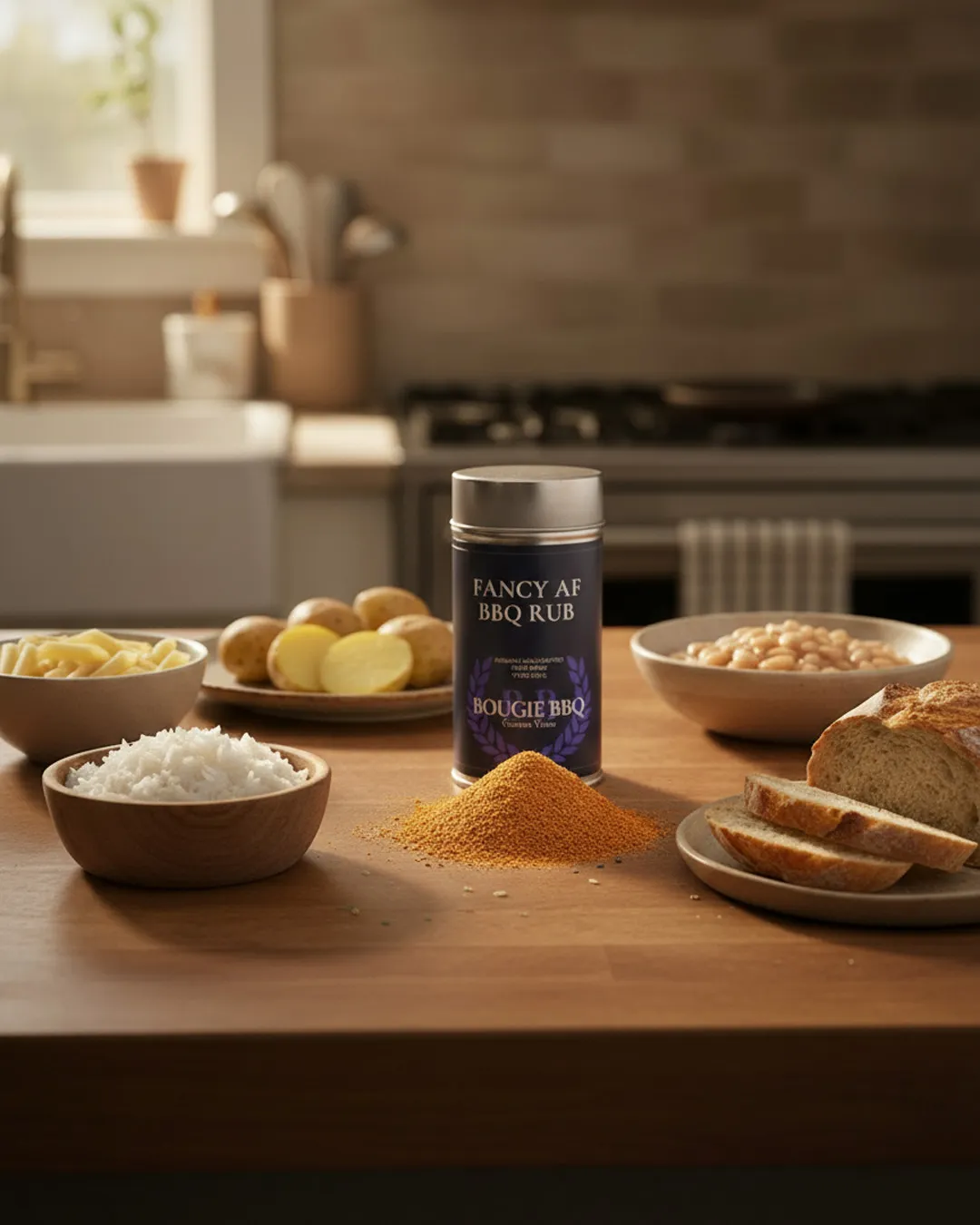
This is your carbohydrate foundation: pasta, rice, polenta, bread, potatoes, or beans. You probably have at least three of these in your pantry right now. They’re cheap, shelf-stable, and become whatever you season them to be.
I keep six types of pasta (long, short, tiny for soups), three types of rice (arborio for risotto, basmati for sides, short-grain for absorbing sauces), dried beans, and good canned beans as backup. That’s maybe $20 worth of ingredients that can anchor twenty different meals.
The mistake most people make: treating the base as boring filler instead of the canvas. Plain pasta is boring. Pasta cooked in well-salted water, tossed with good olive oil, garlic, and the right seasoning blend? That’s a meal guests will remember.
Component Two: The Flavor Builders (What Makes It Taste Good)
This is the only category where fresh ingredients matter, and even then, they’re optional. Fresh herbs, a squeeze of lemon, good parmesan, a drizzle of nice olive oil, or a sprinkle of flaky salt.
These finishing elements make pantry cooking look composed instead of thrown together. Dried pasta with canned tomato sauce is weeknight dinner. The same dish finished with fresh basil or parmesan becomes “rustic Italian supper” worthy of guests.
But honestly? If you nail the first two components, you can skip this entirely. I’ve served countless meals with zero fresh ingredients that guests raved about because the foundation was properly seasoned and cooked with care.
Component Three: The Finishing Touch (What Makes It Look Intentional)
I’ve never successfully replicated the flavors from a Mexican harvest celebration I attended in Oaxaca, mostly because I don’t have access to outdoor fire pits or indigenous chilies. But I learned principles that work in regular American kitchens.
Latin American harvest cooking uses high heat and smoky flavors. Vegetables get charred. Proteins get rubbed with spice blends that can withstand intense cooking. Everything develops deep, caramelized flavor.
You can mimic this without a fire pit. Roast your vegetables at 450°F instead of 375°F. The higher heat creates charring and caramelization that adds complexity.
Season your vegetables boldly before roasting they can handle it. Use roasted garlic sea salt, smoked paprika, and cumin. The high heat will caramelize the roasted garlic in the salt, creating layers of sweet, savory, smoky flavor.
My favorite application: toss sweet potatoes with roasted garlic salt, smoked paprika, and olive oil. Roast at 450°F until the edges blacken slightly. They taste like they came from a wood-fired oven.
Five Pantry Dishes That Impress Without the Stress
These are meals I’ve served dozens of times when hosting on short notice. Each uses mostly pantry ingredients, comes together in under an hour, and tastes like you planned it for days.
Cacio e Pepe (The Four-Ingredient Miracle)
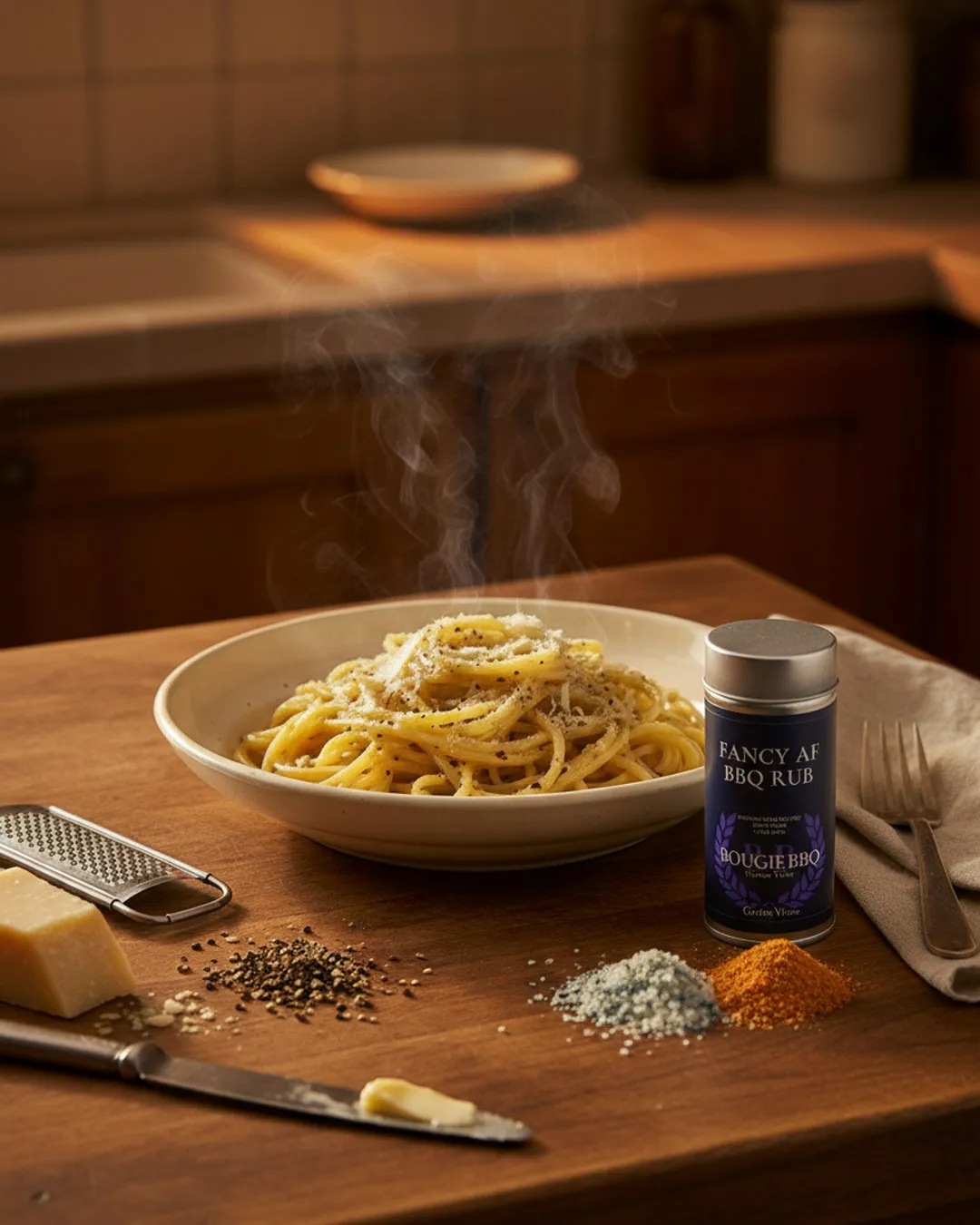
Pasta, butter, black pepper, parmesan. That’s it. The technique is what makes it work starchy pasta water emulsifies with butter and cheese to create a silky sauce. No cream, no garlic, no herbs needed.
I add a small pinch of smoky seasoning to the pepper for depth. Sounds weird, works beautifully. The smokiness complements the cheese’s nuttiness without being identifiable as “BBQ flavor.”
Guests always think this took effort. It takes fifteen minutes if your water’s already boiling.
Pantry "Risotto" (Not Really, But Close Enough)
Real risotto requires constant stirring and perfect stock. Pantry risotto uses regular rice, water or canned broth, butter, and whatever vegetables you have (frozen peas work perfectly).
The trick: toast the rice in butter first, add liquid gradually while stirring occasionally (not constantly), and finish with parmesan and more butter. It won’t have the exact creamy texture of arborio-based risotto, but it’ll be good enough that guests won’t care.
Season each addition of liquid. This builds flavor in layers rather than hoping a final seasoning fixes everything.
White Bean "Stew" That Tastes Rich
Any vegetables you have frozen or fresh tossed with oil and versatile seasoning, roasted at high heat until caramelized.
The secret is high heat (425-450°F) and not crowding the pan. Vegetables need space to caramelize rather than steam. A good seasoning blend does more work than people realize it adds complexity without requiring you to measure five different spices.
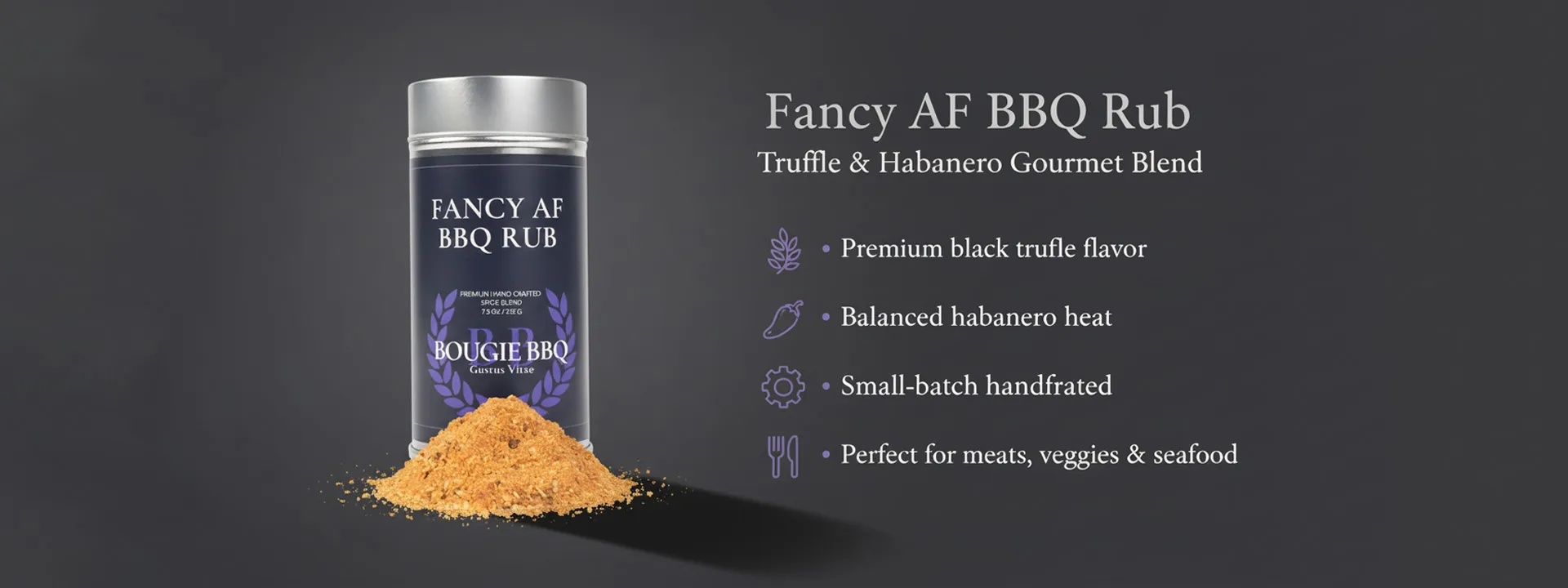
I use the Fancy AF rub on roasted carrots, Brussels sprouts, cauliflower, and sweet potatoes. The smokiness reads as “intentional flavor” rather than “I dumped BBQ seasoning on vegetables.”
"Fancy" Roasted Vegetables
Canned white beans, canned tomatoes, garlic, olive oil, and rosemary (dried is fine). Simmer everything together, mash some beans to thicken the liquid, finish with good olive oil.
This is peasant food that tastes expensive because it’s properly seasoned. I bloom garlic in olive oil first, add tomatoes and let them break down, then add beans and simmer. The starch from the beans creates body without needing cream or flour.
Pasta Aglio e Olio (Garlic and Oil)
Another Italian staple: pasta, garlic, olive oil, red pepper flakes, pasta water. That’s the whole dish.
The technique: slice garlic thin, cook it gently in olive oil until golden (not brown bitter), add red pepper flakes, add cooked pasta and pasta water, toss until emulsified.
Finish with parsley if you have it, but honestly? When the garlic’s cooked right and the pasta water creates that silky coating, fresh herbs are gilding the lily.
The Seasoning Strategy That Changes Everything
Here’s what took me years to understand: having three to four well-chosen seasoning blends eliminates the need for twenty individual spices taking up cabinet space.
I keep: an Italian blend (oregano, basil, thyme), a smoky-savory option that works on proteins and vegetables, something with heat (like a Cajun blend), and good salt and pepper.
That’s it. Those four cover 90% of flavor profiles I need when hosting.
The smoky option surprises people because they associate that flavor with grilling, but it works brilliantly on oven-roasted dishes, bean stews, and even as a finishing sprinkle on pasta. Smoke adds depth the way salt adds brightness—it makes everything taste more like itself.
Quality matters here. Cheap blends use fillers and lose potency quickly. Well-formulated seasonings from brands that care about flavor deliver consistent results without needing to measure five ingredients.
What Guests Actually Care About (And What They Don't)
After hosting for years, I’ve learned what matters: food that tastes good, a relaxed host who’s actually present instead of stressed in the kitchen, and feeling like the meal was made with care.
Guests don’t care if you used canned tomatoes instead of fresh. They don’t notice if the herbs are dried. They don’t mind if everything came from your pantry instead of a farmers market.
They do notice if you’re frazzled, apologizing for the food, or too exhausted to enjoy the meal you worked so hard on.
My best hosting moments happen when I cook dishes I’ve made dozens of times using ingredients I already own. There’s no stress about missing components or failed techniques because I’m working within my confidence zone. That calm translates to better hospitality.
The goal isn’t impressing guests with complexity—it’s feeding them well while enjoying their company.
Frequently Asked Questions
How do I make pantry staples taste restaurant-quality without fresh ingredients?
Three things matter more than fresh ingredients: proper seasoning, correct technique, and confidence. Season at multiple stages instead of just at the end. Learn techniques that build flavor like blooming garlic in fat, reducing liquids to concentrate flavors, and using pasta water to create silky sauces. And use quality seasonings that add complexity without requiring you to measure multiple spices. I’ve served countless pantry-based meals that guests raved about because they were properly seasoned and cooked with care. The “restaurant quality” comes from technique and bold flavor, not from specialty ingredients. Also, high heat creates caramelization on vegetables and proteins that makes simple ingredients taste complex roast at 425-450°F instead of 350°F.
What are the essential pantry items I need for stress-free hosting?
Start with these categories: dried pasta (three shapes minimum), rice (one type to start), canned tomatoes (whole and crushed), canned beans (white beans and chickpeas are most versatile), good olive oil, garlic, onions, butter, vinegars (red wine and balsamic), canned broth or stock, and three to four quality seasoning blends that work across multiple dishes. That’s maybe $50-75 worth of ingredients that can create thirty different meals. Don’t buy everything at once build your pantry over time, replacing things as you use them. The goal is having enough foundation ingredients that you can make a meal without a grocery store trip. Quality matters more for oils, vinegars, and seasonings than for canned goods.
Can I really use BBQ seasoning on non-grilled foods effectively?
Absolutely, and it’s one of my favorite tricks. BBQ seasonings typically contain paprika, garlic, onion, and often smoke flavor all of which work beautifully on oven-roasted vegetables, bean dishes, pasta sauces, and more. The smokiness adds depth without tasting like “BBQ” if you use it thoughtfully. I use it on roasted Brussels sprouts, cauliflower, carrots, and sweet potatoes regularly. It also adds complexity to white bean stews and tomato-based pasta sauces. The key is using it as a component of flavor rather than the dominant note a teaspoon mixed with olive oil and tossed with vegetables before roasting adds smoky depth that guests will notice but won’t necessarily identify. It’s particularly useful in pantry cooking because it delivers complex flavor without requiring multiple ingredients.
How far in advance can I prep pantry-based dishes for hosting?
Most pantry dishes actually improve when made ahead because flavors integrate. Bean stews, tomato sauces, and risotto-style dishes can all be made 1-2 days ahead and gently reheated. Pasta dishes are the exception—cook pasta fresh, but you can make sauces ahead. I typically do any chopping, measuring, and sauce-making the day before, then just cook the base (pasta, rice, etc.) when guests arrive. This gives me time to handle issues without stress. Roasted vegetables can be prepped hours ahead toss with oil and seasonings, arrange on pans, then just slide into the oven 30-40 minutes before serving. The goal is doing every possible task ahead so day-of cooking is just assembly and heating.
What if guests have dietary restrictions can pantry cooking accommodate them?
Pantry cooking is actually easier to adapt than complicated fresh-ingredient recipes. Most pantry staples are naturally vegan (pasta, rice, beans, tomatoes, vegetables) or easily substituted (use olive oil instead of butter, skip cheese). For gluten-free guests, rice and beans work perfectly. For low-carb diets, focus on roasted vegetables with good seasonings they’re substantial enough to be a meal when properly seasoned. The key is building your pantry with flexible ingredients rather than pre-made products. When you’re working from base components, adjusting for dietary needs means just skipping one element rather than redesigning an entire recipe. I’ve successfully fed vegan, gluten-free, and low-carb guests from the same pantry by adjusting which base I used and how I finished dishes.
Cook With Confidence, Not Stress
That disastrous dinner party years ago taught me what matters: guests remember how they felt, not whether you used fresh herbs or dried. They remember connecting over good food, not counting how many ingredients were in the recipe.
The best hosts I know aren’t the ones with the fanciest ingredients or most complicated menus. They’re the ones who cook food they’re confident in, use ingredients they understand, and stay calm enough to enjoy their own parties.
Building a well-stocked pantry with quality seasonings means you can host on short notice without stress. It means having the foundation ready so dinner happens through assembly rather than anxiety.
Start with your pantry inventory. Stock the basics. Learn three to five dishes you can make confidently with what you have. Master proper seasoning so simple ingredients taste intentional. Practice these dishes until they’re second nature.
Then invite people over. Cook food you know will work. Stay present instead of stressed. Enjoy the meal you made without apologizing for its simplicity.
Because the best dinner parties aren’t about impressive ingredients they’re about good food, good company, and a host who’s calm enough to enjoy both.
Season boldly. Cook simply. Host confidently.
Your pantry is ready. So are you.