If you love Asian flavors, you have likely used both Japanese BBQ sauce and Teriyaki sauce. At first glance, they look very similar. They are both dark, glossy, and full of umami. However, if you taste them side-by-side, you will notice a huge difference.
Many people in the US use these terms interchangeably. If you want to level up your cooking, it is important to know which one to reach for. In this guide, we will break down the flavors and the textures. We will look at the specific bbq sauce ingredients that set them apart. Plus, we will share an authentic Japanese BBQ sauce recipe so you can make it at home.
The Cultural Roots of Japanese Grilling
To understand these sauces, we must look at Japanese history. Grilling in Japan is an art form. It is often called Yakiniku. This style of cooking became popular in the mid-20th century. It focuses on high-quality meat and simple seasonings.
The sauce used in Yakiniku is called Tare. This is what most Americans know as Japanese BBQ sauce. It is not just a condiment. It is the soul of the meal. Each restaurant in Japan often has its own secret recipe. They guard these recipes closely.
On the other hand, Teriyaki has a different story. It started as a cooking method in the Edo period. It was meant to create a shiny glaze on fish. Over time, it traveled to Hawaii and the US mainland. In the US, it became sweeter and thicker. This helped it appeal to local tastes. Today, Teriyaki is a global staple. But it is quite different from a traditional homemade Japanese BBQ sauce.
Breaking Down the Flavor Profiles
Flavor is the most obvious difference. Let’s look at how your taste buds react to each one.
The Sweet and Salty Balance of Teriyaki
Teriyaki is straightforward. It is designed to be a “crowd-pleaser.” The main notes are salty and sweet. Because it uses a lot of sugar, it has a syrupy mouthfeel. It coats the tongue heavily. It is excellent for masking the fishy smell of seafood. It also pairs well with lean poultry.
The Complex Umami of Japanese BBQ Sauce
Japanese bbq sauce is much more layered. It is savory first, then sweet. It has a “brightness” that Teriyaki lacks. This comes from fresh aromatics like ginger and garlic. It also has a nutty finish. This usually comes from toasted sesame oil.
When you use a Japanese barbecue sauce recipe, you create a balance. You want to taste the salt, the acid, and the heat. It does not overwhelm the meat. Instead, it makes the natural beef flavor stand out. This is why it is the preferred choice for expensive cuts of steak.
The Science of BBQ Sauce Ingredients
The magic happens in the ingredient list. If you look at the back of a bottle, you might see long chemical names. But if you make it at home, the list is simple.
1. The Soy Sauce Base
Everything starts with soy sauce. It provides the liquid base and the salt. For a high-quality homemade Japanese BBQ sauce, the type of soy sauce matters. Many people use Koikuchi soy sauce. It is dark and robust. If you want a gluten-free version, you can use Tamari.
2. The Role of Mirin
Mirin is a Japanese rice wine. It is lower in alcohol than sake but higher in sugar. It gives the sauce a unique shine. It also adds a deep “rounded” sweetness. You cannot get this same flavor from white sugar alone. It is a vital part of any japanese bbq sauce recipe.
3. Aromatics: The Secret Weapons
This is where the two sauces truly split. Teriyaki rarely uses fresh aromatics. But Japanese BBQ sauce relies on them.
- Fresh Ginger: This adds a spicy, clean note.
- Fresh Garlic: This adds depth and a savory punch.
- Green Onions: These add a subtle, earthy flavor.
4. Fruit Purees for Tenderness
Did you know many Japanese chefs use apples in their sauce? Grated Fuji apples are common bbq sauce ingredients. The natural enzymes in the fruit help tenderize the meat. It also provides a thick texture without using cornstarch. This makes the sauce feel light and natural.

The Science of BBQ Sauce Ingredients
The magic happens in the ingredient list. If you look at the back of a bottle, you might see long chemical names. But if you make it at home, the list is simple.
1. The Soy Sauce Base
Everything starts with soy sauce. It provides the liquid base and the salt. For a high-quality homemade Japanese BBQ sauce, the type of soy sauce matters. Many people use Koikuchi soy sauce. It is dark and robust. If you want a gluten-free version, you can use Tamari.
2. The Role of Mirin
Mirin is a Japanese rice wine. It is lower in alcohol than sake but higher in sugar. It gives the sauce a unique shine. It also adds a deep “rounded” sweetness. You cannot get this same flavor from white sugar alone. It is a vital part of any japanese bbq sauce recipe.
3. Aromatics: The Secret Weapons
This is where the two sauces truly split. Teriyaki rarely uses fresh aromatics. But Japanese BBQ sauce relies on them.
- Fresh Ginger: This adds a spicy, clean note.
- Fresh Garlic: This adds depth and a savory punch.
- Green Onions: These add a subtle, earthy flavor.
4. Fruit Purees for Tenderness
Did you know many Japanese chefs use apples in their sauce? Grated Fuji apples are common bbq sauce ingredients. The natural enzymes in the fruit help tenderize the meat. It also provides a thick texture without using cornstarch. This makes the sauce feel light and natural.
How to Make Japanese BBQ Sauce: The Ultimate Recipe

Are you ready to try it? This is our favorite way to prepare it. It follows the traditional balance of flavors.
Equipment Needed
- A small heavy-bottomed saucepan.
- A whisk.
- A fine grater (for the ginger and garlic).
- A glass jar for storage.
The Full Ingredient List
To get the best result, gather these bbq sauce ingredients:
- 1 ½ cups of Soy Sauce.
- 1 cup of Brown Sugar.
- ½ cup of Mirin.
- 2 tablespoons of Toasted Sesame Oil.
- 1 tablespoon of Rice Vinegar.
- 3 cloves of Garlic (finely minced).
- 1 inch of Fresh Ginger (finely grated).
- 2 tablespoons of Toasted Sesame Seeds.
- 1 teaspoon of Black Pepper.
Instructions for Success
- The Base: Add the soy sauce, sugar, and mirin to the pot.
- Dissolve: Heat over medium heat. Whisk until the sugar is no longer grainy.
- Infuse: Add the garlic and ginger. Bring the mixture to a very low simmer. Do not let it boil hard. High heat can make soy sauce taste bitter.
- Reduce: Let it simmer for 15 minutes. This reduces the water content. It makes the flavor much more concentrated.
- The Finishing Touches: Turn off the heat. Add the sesame oil, rice vinegar, and pepper. Adding the vinegar at the end keeps the acidity bright.
- Toast: Stir in the sesame seeds.
- Cool: Let it sit until it reaches room temperature.
Regional Variations in Japan
Not all japanese bbq sauce is the same. Just like in the US, different regions have different styles.
Tokyo Style
In Tokyo, the sauce tends to be salty and refined. It uses a lot of soy sauce. It is meant to be elegant. It is perfect for high-end Wagyu beef.
Osaka Style
Osaka is known as the “nation’s kitchen.” The food there is bold. Their homemade japanese bbq sauce often includes more fruit. It might have grated apple or even peach. It is sweeter and thicker. It is very popular with families and children.
Nagoya Style
In Nagoya, they love red miso. Some chefs add a spoonful of miso to their japanese bbq sauce recipe. This creates a very “earthy” and salty flavor. It is heavy and rich. It works best with pork or dark meat chicken.
Common Mistakes When Making Japanese BBQ Sauce
Even simple recipes can go wrong. Here is how to make japanese bbq sauce without the common pitfalls.
- Using the Wrong Sesame Oil There are two types of sesame oil. One is light and used for frying. The other is dark and toasted. You must use the “Toasted” version. The light version has almost no flavor.
- Boiling Instead of Simmering If you boil the sauce too hard, the sugar will burn. This creates a bitter aftertaste. Keep the bubbles small.
- Skipping the Vinegar Many people forget the rice vinegar. They think the sauce is just sweet and salty. But you need that tiny bit of acid. It cuts through the fat of the meat. It makes the sauce feel refreshing.
- Not Grating the Aromatics Fine Enough If you have big chunks of garlic, it will be unpleasant to eat. Use a microplane or a very fine grater. You want the ginger and garlic to almost melt into the liquid.
Pairing Your Sauce with the Right Proteins
A good japanese bbq sauce recipe is versatile. But some pairings are better than others.
- Beef Ribeye: The fat in the ribeye loves the garlic and soy notes.
- Chicken Thighs: Skin-on thighs get crispy. The sauce adds a beautiful savory finish.
- Grilled Eggplant: Vegetables soak up the sauce like a sponge. It makes for a great vegan meal.
- Salmon: While Teriyaki is traditional for salmon, try japanese bbq sauce instead. The ginger helps balance the richness of the fish.
Storage and Shelf Life
Since this is a homemade japanese bbq sauce, it has no chemicals. You must store it in the refrigerator.
Because it has a high salt and sugar content, it lasts a long time. In a clean glass jar, it will stay good for 3 to 4 weeks. Always use a clean spoon when dipping into the jar. This prevents bacteria from growing.
If the sauce thickens too much in the fridge, don’t worry. Simply set it on the counter for 10 minutes. Or, you can add a teaspoon of warm water and stir.
The Health Benefits of Japanese Aromatics
When you look at the bbq sauce ingredients, you see health benefits.
- Ginger: Known for aiding digestion and reducing inflammation.
- Garlic: Great for heart health and the immune system.
- Sesame Seeds: Full of healthy fats and minerals like calcium.
By choosing a japanese bbq sauce recipe over a standard American one, you are eating less fat. Most American sauces use oil or mayo bases. Japanese sauces are water and soy-based. This makes them much lower in calories.
Adapting the Japanese BBQ Sauce Recipe for Special Diets
Once you know how to make japanese bbq sauce, you can try advanced tricks. These are the techniques used by professional chefs in Japan.
The “Aged” Sauce Secret In Japan, some BBQ houses have “eternal” sauce. They never throw the old sauce away. They simply add fresh sauce to the old batch every day. This creates a deep, complex flavor. You can mimic this at home. Save a small amount of your old batch and mix it with your new one.
Using Toasted Spices Before adding your liquid bbq sauce ingredients, try toasting your spices. Briefly heat your sesame seeds and black pepper in a dry pan. This releases the oils. It makes the aroma of your homemade japanese bbq sauce much stronger.
The Grating Method Do not use a knife for your ginger and garlic. Use a microplane or a traditional Japanese ceramic grater. This turns the aromatics into a paste. The paste blends perfectly into the liquid. You will not have any chunky bits in your final japanese bbq sauce.
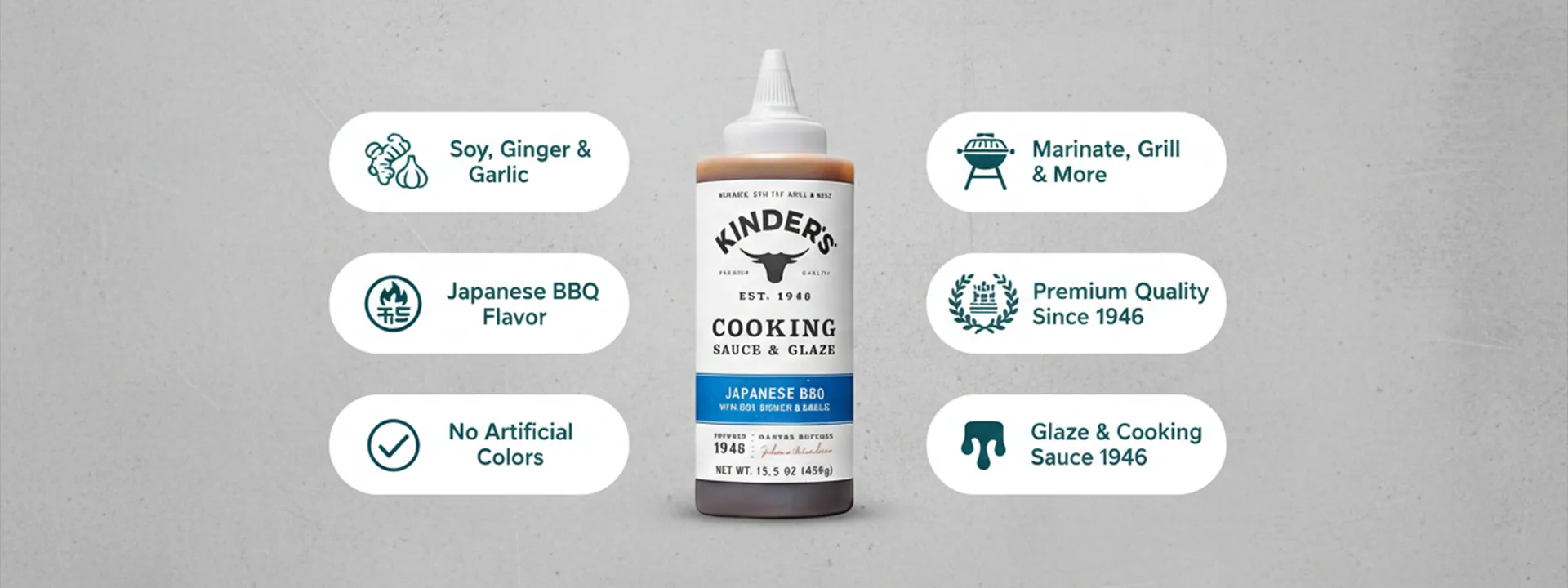
Best Equipment for Your Japanese BBQ Sauce Recipe
You do not need a professional kitchen. But the right tools make a difference when learning how to make japanese bbq sauce.
Stainless Steel Pan: Avoid using cast iron for the sauce. The acidity in the rice vinegar can react with the iron. A stainless steel pot keeps the flavor clean.
Whisk: Use a small whisk to ensure the sugar dissolves. This prevents the sauce from becoming grainy.
Glass Jars: Plastic containers can absorb the smell of garlic and soy. Always store your japanese bbq sauce in glass. It stays fresher and tastes better.
Measuring Spoons: Accuracy is important for the salt-to-sweet ratio.
Creative Ways to Use Your Sauce (Beyond Grilling)
Don’t limit yourself to the grill. Your homemade japanese bbq sauce is a versatile kitchen tool.
As a Salad Dressing Mix two tablespoons of sauce with a little extra rice vinegar and olive oil. It makes a fantastic dressing for a cabbage slaw or a green salad.
For Roasted Nuts Toss raw almonds or cashews in a bit of the sauce. Roast them in the oven at 300°F for 15 minutes. The sugar in the sauce creates a savory, glazed snack.
A Glaze for Roasted Vegetables Brush the sauce over carrots or Brussels sprouts halfway through roasting. The bbq sauce ingredients caramelize in the oven. It turns boring vegetables into a side dish that everyone will love.
Frequently Asked Questions (FAQ)
Can I freeze my homemade japanese bbq sauce?
Yes, you can. If you made too much, pour it into an ice cube tray. Once frozen, move the cubes to a freezer bag. You can drop a cube into a stir-fry whenever you need a boost of flavor.
Why is my sauce too salty?
This usually happens if you boil it too long. As the water evaporates, the salt stays behind. You can fix this by adding a little more mirin or a splash of water.
What is the best way to apply the sauce?
For the best results, use a silicone brush. If you are using our japanese bbq sauce recipe as a glaze, apply it in the last 2 minutes of cooking. This prevents the sugar from burning.
Conclusion
Now you know the secret. Teriyaki is a great glaze, but japanese bbq sauce is a complex masterpiece. It is the perfect blend of salt, sweet, and spice.
Learning how to make japanese bbq sauce is a skill that will serve you for years. It is easy to prepare. It uses simple pantry items. Most importantly, it tastes better than anything you can buy in a plastic bottle.
Next time you fire up the grill, skip the store-bought brands. Grab your soy sauce and fresh ginger. Follow our japanese bbq sauce recipe and taste the difference for yourself. Your friends and family will think you spent hours in the kitchen. In reality, you only spent twenty minutes. That is the beauty of Japanese home cooking.