Cold weather brings more than just dropping temperatures. It brings joint stiffness, sluggish immune systems, and the kind of deep chill that settles into your bones. While you can’t control the weather, you can control what you put in your bowl.
Anti-inflammatory soups combine healing spices with nutrient-dense ingredients to fight inflammation from the inside out. They warm you up while supporting your body’s natural defense systems. And unlike supplements that sit in your cabinet, these soups actually taste good enough to crave on a frigid evening.
Why Inflammation Increases in Cold Weather
Your body faces unique challenges when temperatures drop. Cold air can trigger inflammatory responses in joints and airways. People with arthritis often report increased pain during winter months. Those with autoimmune conditions may experience more frequent flare-ups.
Reduced activity contributes to the problem. When it’s freezing outside, most people move less. They skip evening walks and outdoor activities. This decrease in movement allows inflammation to build in joints and muscles.
Shorter days mean less vitamin D from sunlight. Low vitamin D levels are linked to increased inflammation throughout the body. Add in typical winter eating patterns more comfort foods, fewer fresh vegetables and you’ve created the perfect storm for chronic inflammation.
But here’s where strategic eating makes a difference. The right combination of premium spices and seasonings can actively reduce inflammatory markers in your bloodstream while keeping you satisfied and warm.
The Science Behind Anti-Inflammatory Spices
Certain spices contain compounds that directly interfere with your body’s inflammatory pathways. These aren’t folk remedies or wishful thinking. Research consistently demonstrates measurable effects.
Turmeric contains curcumin, a compound that blocks inflammatory cytokines and enzymes. Studies show it performs comparably to some anti-inflammatory medications, but without the side effects. The bright yellow spice works particularly well for joint inflammation and digestive issues.
Ginger reduces prostaglandins, the chemicals that trigger pain and inflammation responses. It’s especially effective for muscle soreness and osteoarthritis. Fresh ginger contains higher concentrations of active compounds than dried, though both offer benefits.
Black pepper might seem ordinary, but it contains piperine a compound that enhances curcumin absorption by up to 2000%. That’s why traditional recipes often pair turmeric and black pepper. They work synergistically.
Garlic provides organosulfur compounds that reduce inflammatory markers throughout your body. Raw garlic offers the most benefit, but even cooked garlic retains significant anti-inflammatory properties. It also supports immune function during cold and flu season.
Cinnamon, cayenne, and coriander each contribute their own anti-inflammatory compounds. When combined in soups, these spices create a more powerful effect than any single ingredient alone.
The beauty of getting these compounds through soup is bioavailability. Your body absorbs nutrients from warm liquids more efficiently than from supplements. The fats in bone broth or coconut milk further enhance absorption of fat-soluble compounds like curcumin.
The Foundation: Why Bone Broth Matters
Before we talk about specific soup recipes, let’s address the foundation that makes anti-inflammatory soups truly effective quality bone broth.
Real bone broth contains collagen, gelatin, and amino acids that support gut health and reduce systemic inflammation. The slow-simmering process extracts minerals from bones, creating a nutrient-dense liquid that your body recognizes and uses efficiently.
Collagen supports joint health directly. As we age, our bodies produce less collagen naturally. The collagen in bone broth provides building blocks for cartilage repair and maintenance. People who regularly consume bone broth often report reduced joint pain and improved mobility.
Gelatin heals the gut lining, which is crucial because intestinal inflammation contributes to systemic inflammation throughout your body. A healthy gut barrier prevents inflammatory compounds from entering your bloodstream.
Amino acids like glycine and proline support your body’s natural detoxification processes and help regulate immune responses. These amino acids are difficult to get in adequate amounts from muscle meat alone.
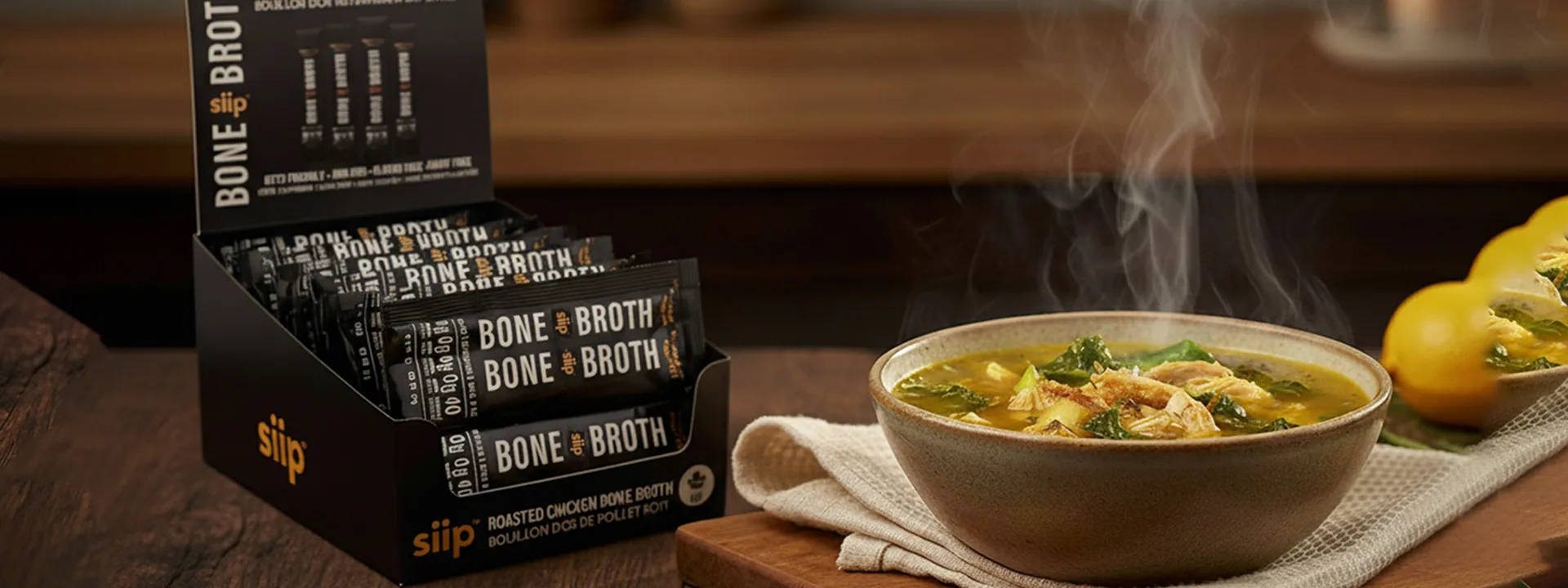
The Siip Roasted Chicken Bone Broth offers a practical solution for home cooks who want these benefits without spending 24 hours tending a stockpot. Made from organic chicken bones slow-simmered with vegetables and herbs, it provides a convenient base for anti-inflammatory soups. The 25-pack means you always have quality broth on hand when you need it.
What sets quality bone broth apart is the gel test. When refrigerated, good bone broth should solidify into a jiggly consistency that’s the gelatin content. If it stays liquid, it hasn’t been simmered long enough to extract the beneficial compounds from the bones.
Three Anti-Inflammatory Soup Recipes
These recipes combine anti-inflammatory spices with nutrient-dense ingredients. They’re designed for real home cooks—no hard-to-find ingredients or complicated techniques.
Golden Turmeric Chicken Soup
This vibrant soup delivers powerful anti-inflammatory benefits while tasting like comfort in a bowl.
Ingredients:
- 4 cups Siip Roasted Chicken Bone Broth
- 2 cups cooked chicken, shredded
- 2 tablespoons fresh turmeric, grated (or 2 teaspoons ground)
- 1 tablespoon fresh ginger, grated
- 1 teaspoon black pepper (essential for curcumin absorption)
- 2 cloves garlic, minced
- 1 cup carrots, sliced
- 1 cup celery, chopped
- 2 cups baby spinach
- 1 can coconut milk (full-fat for better nutrient absorption)
- 2 tablespoons coconut oil
- Sea salt to taste
- Fresh cilantro for garnish
- Lime wedges for serving
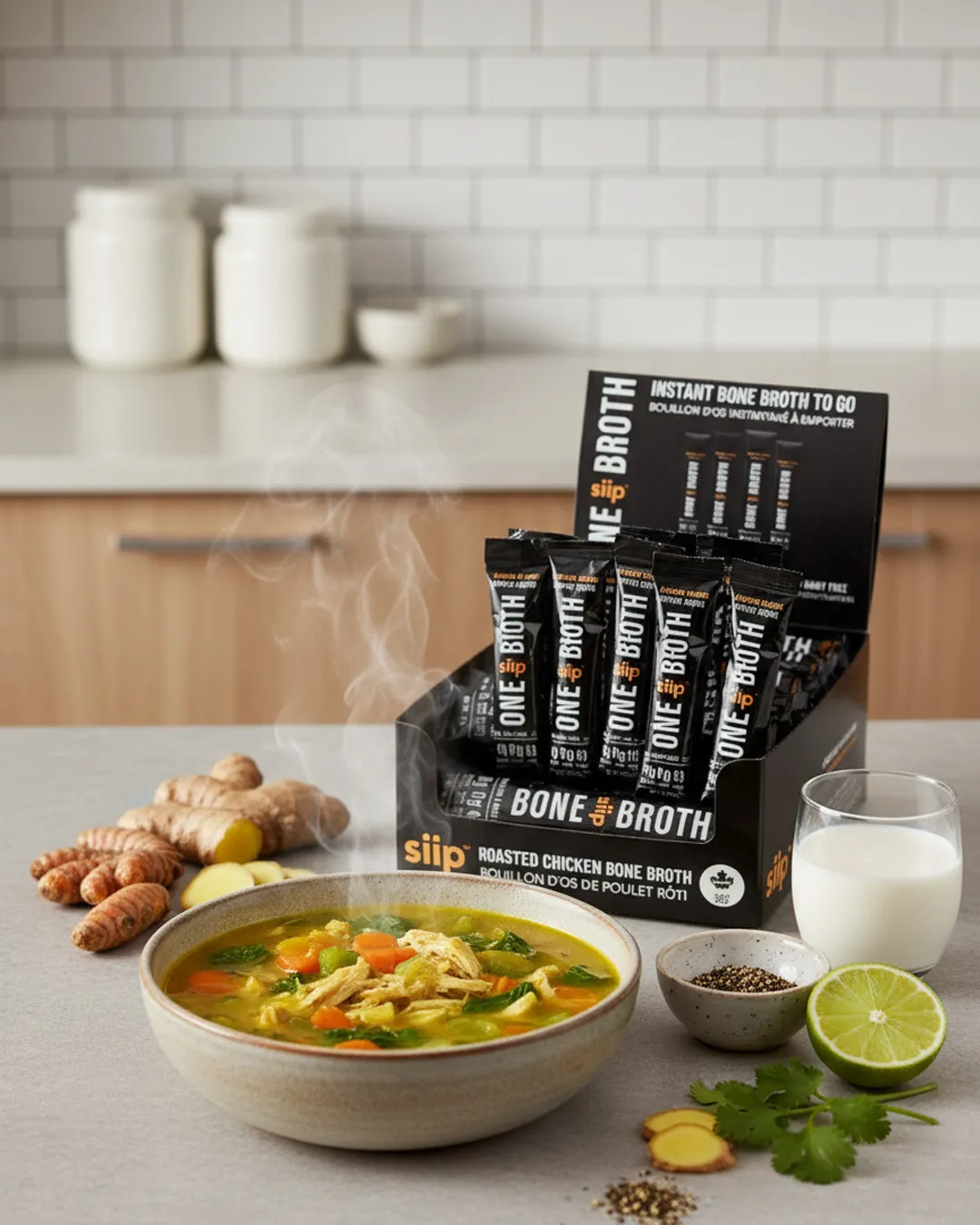
Instructions:
Heat coconut oil in a large pot over medium heat. Add turmeric, ginger, and black pepper. Stir for 30 seconds until fragrant—this step activates the spices’ compounds.
Add garlic and cook another 30 seconds. Don’t let it brown, which creates bitter flavors.
Pour in the bone broth and bring to a gentle simmer. Add carrots and celery. Let them cook for 8-10 minutes until just tender. Overcooked vegetables lose nutrients.
Stir in chicken and coconut milk. Heat through but don’t boil once the coconut milk is added. High heat can break the emulsion.
Add spinach in the last minute of cooking. It wilts almost instantly and retains more nutrients when barely cooked.
Season with sea salt. Taste and adjust spices—some prefer more ginger for heat, others want extra turmeric for earthiness.
Serve with fresh cilantro and lime wedges. The citrus brightens the flavors and adds vitamin C, which enhances iron absorption from the spinach.
Why this works: The combination of turmeric, black pepper, and healthy fats creates optimal conditions for curcumin absorption. Ginger adds its own anti-inflammatory compounds while easing digestion. The bone broth provides collagen and amino acids that support joint health.
Spiced Red Lentil Soup
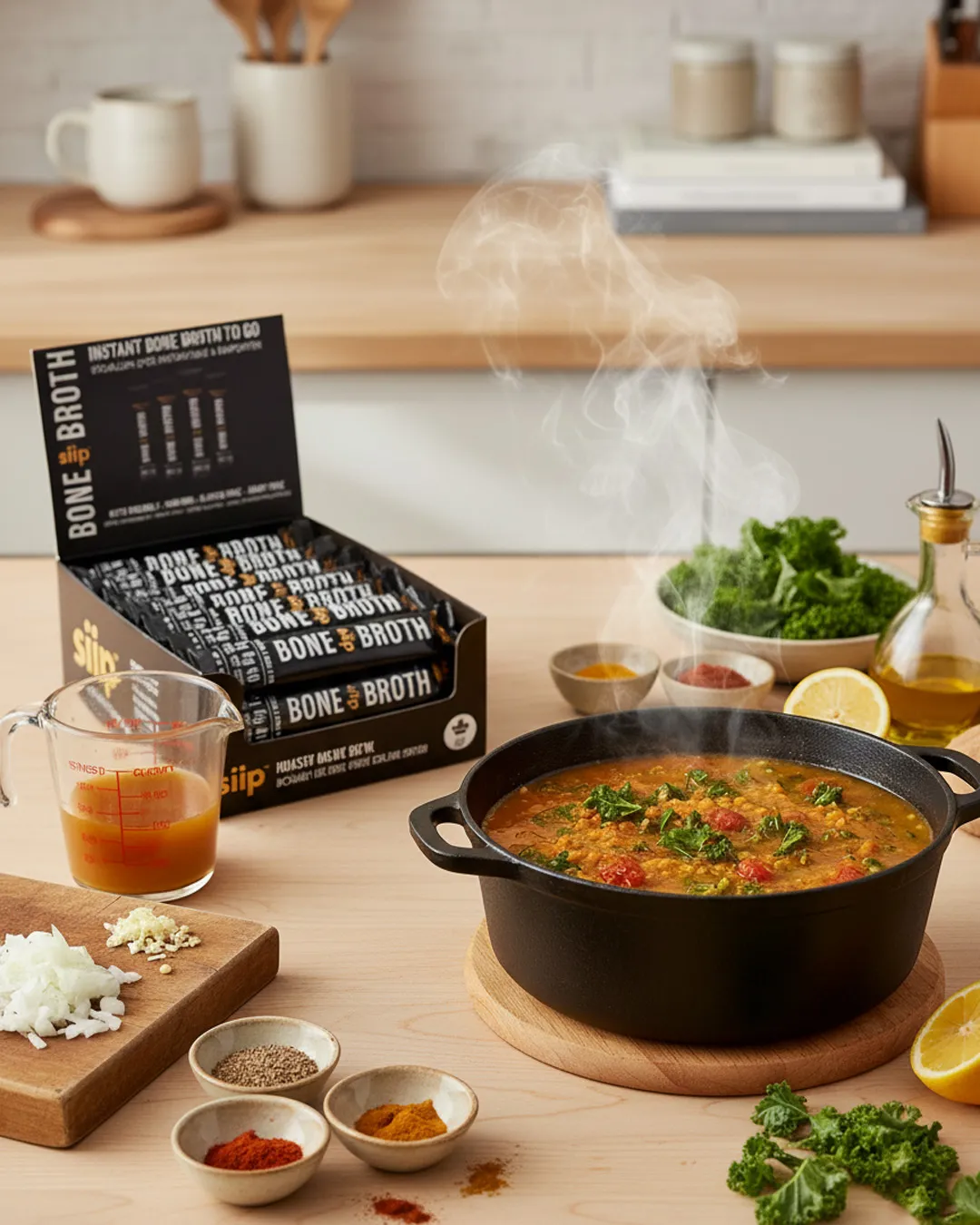
Lentils are inflammation-fighting powerhouses packed with fiber and plant compounds. This soup combines them with warming spices for maximum benefit.
Ingredients:
- 3 cups Siip Roasted Chicken Bone Broth
- 1 cup red lentils, rinsed
- 1 large onion, diced
- 3 cloves garlic, minced
- 2 teaspoons cumin seeds
- 1 teaspoon ground coriander
- 1 teaspoon turmeric
- ½ teaspoon cayenne (adjust to preference)
- 1 teaspoon cinnamon
- 1 can crushed tomatoes
- 2 cups kale, chopped
- 2 tablespoons olive oil
- 1 lemon, juiced
- Sea salt and black pepper to taste
Instructions:
Heat olive oil in a large pot. Add cumin seeds and let them sizzle for 20 seconds. You’ll smell the aromatics release that’s when the essential oils are activating.
Add onion and cook until softened, about 5 minutes. Stir in garlic, coriander, turmeric, cayenne, and cinnamon. Cook for another minute.
Pour in bone broth, crushed tomatoes, and 2 cups water. Bring to a boil.
Add lentils and reduce heat to a simmer. Red lentils cook quickly about 15 minutes. They’ll break down and thicken the soup naturally.
Stir in kale during the last 5 minutes of cooking. It should be tender but still bright green.
Remove from heat and add lemon juice. The acid brightens all the flavors and shouldn’t be cooked, which would make it bitter.
Season generously with salt and pepper. Lentils need adequate salt to taste their best.
Why this works: Red lentils contain polyphenols that reduce inflammatory markers. The spice combination hits multiple inflammatory pathways simultaneously. Kale provides vitamin K, which supports bone health and may reduce inflammation. The fiber from lentils feeds beneficial gut bacteria, supporting overall immune function.
Ginger Miso Vegetable Soup
This Asian-inspired soup combines anti-inflammatory spices with fermented miso for gut health benefits.
Ingredients:
- 4 cups Siip Roasted Chicken Bone Broth
- 3 tablespoons fresh ginger, sliced into coins
- 3 cloves garlic, smashed
- 2 cups mushrooms, sliced (shiitake if available)
- 1 cup bok choy, chopped
- 1 cup snap peas
- 2 carrots, julienned
- 3 tablespoons white or yellow miso paste
- 2 green onions, sliced
- 1 tablespoon sesame oil
- Red pepper flakes to taste
- Fresh cilantro for garnish
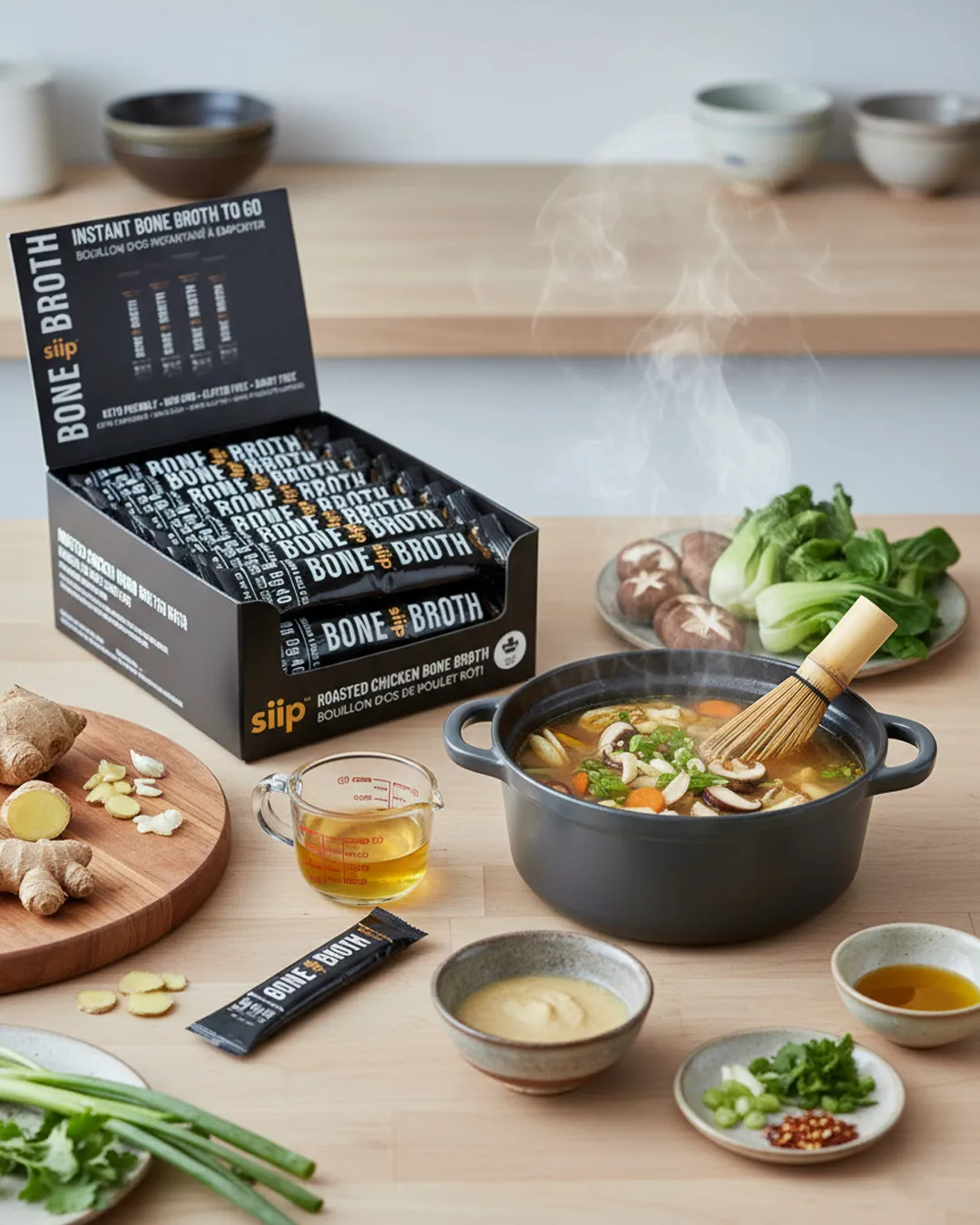
Instructions:
Pour bone broth into a pot and add ginger coins and smashed garlic. Bring to a simmer and let steep for 10 minutes. This creates a ginger-infused broth. Remove the ginger coins and garlic before proceeding they’ve released their compounds into the liquid.
Add mushrooms and carrots. Simmer for 5 minutes.
Add bok choy and snap peas. Cook for 3 minutes they should stay crisp-tender.
Remove about ½ cup of hot broth and whisk in the miso paste until smooth. Never add miso directly to boiling liquid, which kills the beneficial probiotics.
Pour the miso mixture back into the soup and stir gently. Remove from heat immediately.
Drizzle with sesame oil and garnish with green onions, red pepper flakes, and cilantro.
Why this works: Ginger reduces prostaglandins that cause pain and inflammation. Mushrooms contain beta-glucans that modulate immune responses. Miso provides probiotics that support gut health, reducing systemic inflammation. The bone broth base adds collagen for joint support.
Maximizing Anti-Inflammatory Benefits
Making these soups is one thing. Getting maximum benefit requires a few strategic choices.
Eat them regularly, not occasionally. Anti-inflammatory effects build over time with consistent intake. Having soup 3-4 times per week produces better results than sporadic consumption.
Don’t skip the fat. The anti-inflammatory compounds in spices are fat-soluble. Adding coconut milk, olive oil, or sesame oil isn’t just for flavor—it’s for absorption. Low-fat versions don’t deliver the same benefits.
Use fresh spices when possible. Fresh ginger and turmeric contain higher concentrations of active compounds than dried versions. That said, dried spices still work well and are more convenient for daily use. Stock your pantry with quality dried spices for consistent cooking.
Add black pepper to turmeric dishes. This cannot be overstated. Without piperine from black pepper, your body absorbs very little curcumin. The combination is essential, not optional.
Pair with other anti-inflammatory foods. Add leafy greens, berries, or omega-3-rich foods to your meals on soup days. The compounds work together more effectively than in isolation.
Time your soup consumption strategically. Having anti-inflammatory soup in the evening can help reduce overnight inflammation and stiffness. Many people report waking with less joint pain when they eat these soups for dinner.
Beyond the Bowl: Lifestyle Factors
Soup alone won’t solve chronic inflammation, but it’s a powerful tool in a larger strategy.
Movement matters. Even gentle stretching or walking reduces inflammatory markers. If cold weather keeps you indoors, consider yoga or indoor activities that keep joints mobile.
Sleep affects inflammation levels significantly. Poor sleep increases inflammatory cytokines. Aim for 7-9 hours consistently.
Stress management is crucial. Chronic stress elevates cortisol, which triggers inflammation throughout your body. The ritual of making and eating soup can itself be stress-reducing.
Hydration supports inflammation reduction. Water helps flush inflammatory compounds from your system. Soup contributes to hydration, but don’t forget plain water throughout the day.
Reduce inflammatory foods. While adding anti-inflammatory soups helps, continuing to eat highly processed foods, excess sugar, or inflammatory oils undermines your efforts.
Pairing Soups with Complementary Wellness Products
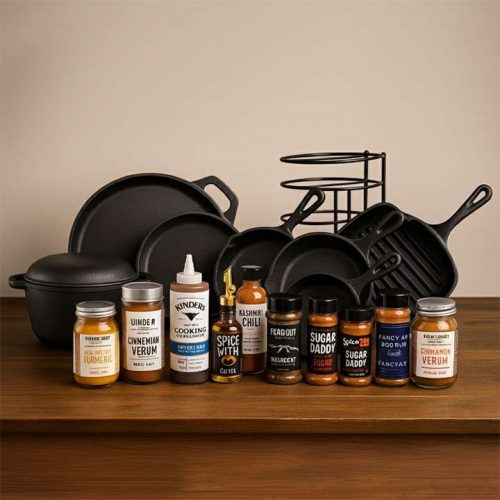
Create a complete anti-inflammatory eating strategy by pairing these soups with complementary ingredients. Quality cooking sauces can add depth to your recipes, while premium cookware ensures even heating that preserves nutrient content.
Consider building a wellness pantry with anti-inflammatory essentials. Keep specialty salts, turmeric, ginger, and other healing spices readily available. When you have quality ingredients on hand, preparing these beneficial soups becomes effortless rather than a special project.
Frequently Asked Questions
How quickly do anti-inflammatory soups work?
Some people notice reduced pain and stiffness within days of eating anti-inflammatory soups regularly. However, measurable changes in inflammatory markers typically take 2-4 weeks of consistent consumption. Think of it as cumulative—each bowl contributes to the effect.
Can I use store-bought broth instead of bone broth?
Regular stock doesn’t contain the collagen, gelatin, and amino acids that make bone broth particularly effective for inflammation. If bone broth isn’t available, look for brands labeled “bone broth” rather than “stock” or “broth.” The Siip 25-pack offers convenience without compromising quality.
Are these soups safe for people with autoimmune conditions?
The ingredients in these recipes are generally anti-inflammatory and safe for most people. However, individuals with specific autoimmune conditions should consult their healthcare provider. Some people with certain conditions need to avoid nightshades (like tomatoes in the lentil soup) or other specific ingredients.
How much turmeric should I consume daily for anti-inflammatory effects?
Research suggests 500-2000mg of curcumin daily for therapeutic effects. A teaspoon of turmeric powder contains roughly 200mg of curcumin. These soup recipes provide beneficial amounts, especially when eaten regularly. Remember that absorption depends on including black pepper and fats.
Can I meal prep these soups?
Absolutely. All three recipes store well in the refrigerator for 4-5 days and freeze beautifully for up to 3 months. The flavors often improve after a day as spices fully infuse the liquid. Freeze in individual portions using quality storage containers for convenient anti-inflammatory meals.
What’s the difference between anti-inflammatory and regular soup?
The intentional combination of specific spices, bone broth, and nutrient-dense vegetables sets anti-inflammatory soups apart. Regular soups may taste good and provide warmth, but these recipes are formulated with compounds proven to reduce inflammatory markers in research studies.
Do I need to use fresh ginger and turmeric?
Fresh roots contain higher concentrations of active compounds, but dried spices work well too. Fresh is ideal when available and affordable. Dried versions are more practical for regular use. The most important factor is actually eating the soup regularly rather than perfecting every ingredient. Stock your spice cabinet with quality dried options.
Can children eat these soups?
Yes, these recipes are safe and nutritious for children. You may want to reduce spicy elements like cayenne for young children. The bone broth provides valuable nutrients for growing bodies, and introducing anti-inflammatory spices early can support long-term health.
Will these soups help with exercise-related inflammation?
Athletes and active individuals often experience inflammation from training. The amino acids in bone broth support muscle recovery, while anti-inflammatory spices reduce exercise-induced inflammation. Many athletes report faster recovery when consuming bone broth-based soups regularly.
How do I know if inflammation is decreasing?
Common signs include reduced joint stiffness, especially in the morning, decreased pain levels, better digestion, improved energy, and fewer illness episodes. Some people notice better sleep quality and mood. For measurable confirmation, your doctor can order tests for inflammatory markers like C-reactive protein.
Stock Your Kitchen for Anti-Inflammatory Cooking
The foundation of these healing soups starts with quality ingredients. The Siip Roasted Chicken Bone Broth 25-Pack ensures you always have the nutrient-dense base these recipes require. Made from organic chicken bones slow-simmered with vegetables and herbs, it delivers the collagen, gelatin, and amino acids your body needs without the 24-hour cooking process.
Keep anti-inflammatory spices stocked in your pantry—turmeric, ginger, black pepper, cumin, cinnamon, and coriander form the core of countless healing recipes. Buy them in quantities you’ll use within 6 months for maximum potency.
Invest in quality cookware that distributes heat evenly, preserving the nutritional integrity of your ingredients. The right tools make healthy cooking easier and more enjoyable.
This winter, let your kitchen become your wellness center. Each bowl of anti-inflammatory soup supports your body’s natural healing processes while providing the comfort and warmth you crave on cold nights.
Your joints, your immune system, and your taste buds will thank you.