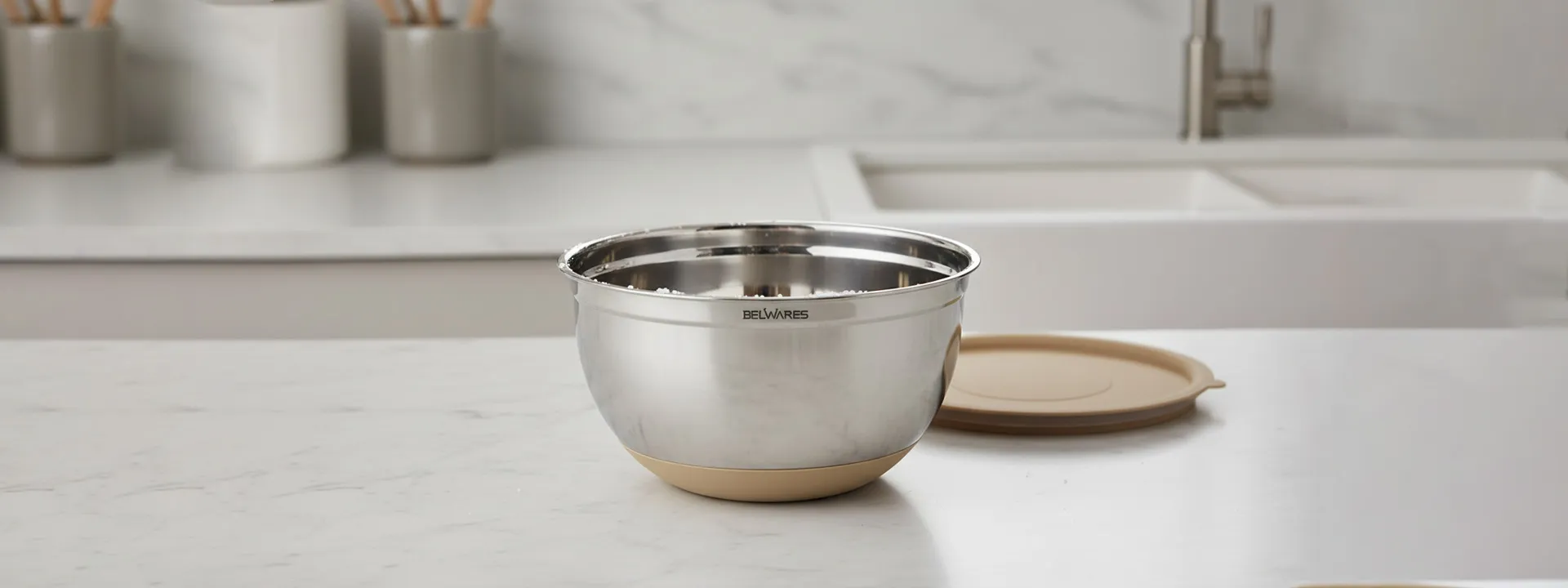
There’s something profoundly intimate about November. As the year winds down and the air turns crisp, we naturally gravitate toward warmth not just the physical kind, but the emotional comfort that comes from gathering around a table laden with thoughtfully prepared dishes. This is where culinary storytelling begins: in the quiet moments of chopping vegetables, the aromatic embrace of herbs and spices, and the final flourish of finishing salt that transforms a meal into a memory.
Food has always been humanity’s most universal form of expression. Long before written language, we shared stories through the act of breaking bread together. In November, as we approach holidays centered on gratitude and togetherness, this tradition takes on deeper significance. Every dish becomes a narrative, every ingredient a character in an unfolding tale of love, care, and connection.
At the heart of exceptional culinary storytelling lies the quality of ingredients we choose. HEPP’s Fleur De Sel Sea Salt represents more than just a seasoning it’s the punctuation mark in your culinary sentence, the element that brings clarity and emphasis to every flavor story you tell
HEPP's Fleur De Sel: The Storyteller's Secret
HEPP’s Fleur De Sel Sea Salt represents the pinnacle of finishing salts. Harvested from pristine coastal waters, each delicate crystal forms naturally on the surface of salt evaporation ponds, where it’s carefully hand-collected by skilled salt workers. This labor-intensive process produces salt with a unique moisture content, mineral complexity, and delicate crunch that transforms any dish it touches.
What makes Fleur De Sel particularly special in culinary storytelling is its ability to provide the perfect final note. Applied just before serving, these crystalline flakes offer bursts of clean, mineral-rich saltiness that enhance rather than overwhelm. They add textural interest, visual appeal, and a subtle complexity that invites diners to pause and appreciate what they’re experiencing.
HEPP’s commitment to quality ensures that each grain delivers consistent excellence. Unlike refined table salt that can taste harsh or one-dimensional, Fleur De Sel offers nuanced flavor that includes trace minerals from the sea—magnesium, calcium, and potassium—each contributing subtle notes that create depth and interest.
In November cooking, where robust flavors from roasted vegetables, braised meats, and rich sauces dominate, HEPP’s Fleur De Sel serves as the perfect counterpoint. A light sprinkle over roasted root vegetables brings their natural sweetness forward. A finishing touch on chocolate desserts creates magical sweet-salty contrasts. Even a few crystals on fresh bread with butter becomes an elevated experience.
The versatility of Fleur De Sel makes it indispensable for storytelling cooks. It works equally well with delicate fish, hearty stews, fresh salads, and decadent desserts. This single ingredient expands your narrative possibilities, allowing you to create more nuanced and memorable dishes across your entire cooking repertoire.
The Role of Premium Ingredients in Food Stories
Every great story needs compelling characters, and in culinary narratives, your ingredients play that role. The difference between ordinary and extraordinary cooking often comes down to ingredient quality. Premium ingredients don’t just taste better—they carry their own stories, their own sense of place and craft.
Consider the journey of artisanal salt. Unlike industrially processed table salt, premium finishing salts like Fleur De Sel are harvested by hand using traditional methods that have remained unchanged for centuries. Each crystal carries within it the story of the sea, the sun, and the skilled hands that collected it. When you use such an ingredient, you’re adding layers of narrative depth to your dish.
Quality ingredients demonstrate respect—for your craft, for your guests, and for the food itself. They signal that what you’re creating matters, that the people you’re feeding are valued. In the context of culinary storytelling, premium ingredients are like choosing quality paper for a handwritten letter. The message may be the same, but the medium elevates its impact.
The investment in superior ingredients pays dividends beyond flavor. It changes how you cook, encouraging mindfulness and care at every stage of preparation. When you’re working with something exceptional, you naturally handle it with greater attention, and that consciousness infuses the entire cooking process.
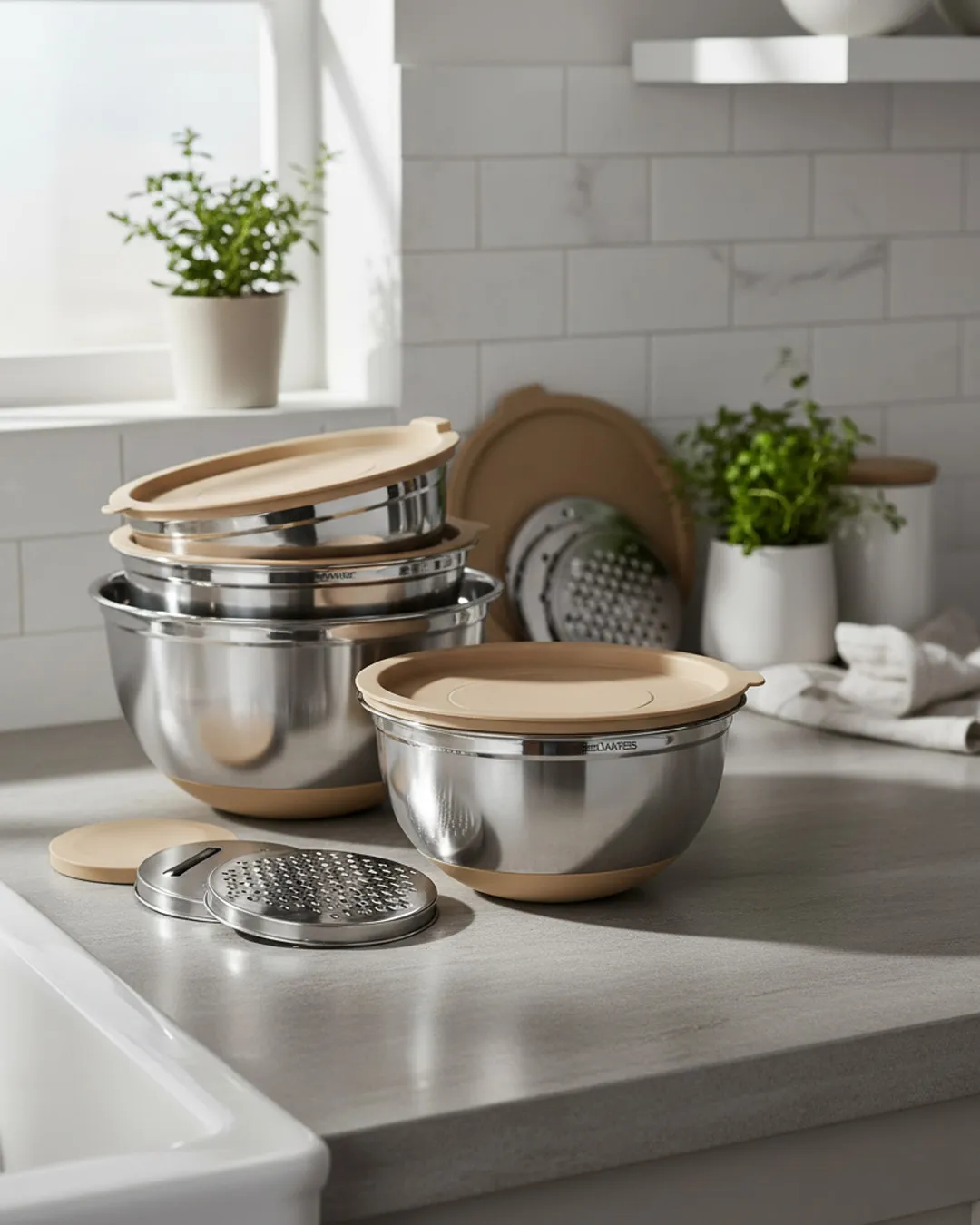
Creating Emotional Connections Through Cooking
The most powerful culinary stories are those that create genuine emotional connections. Food has the unique ability to transcend language barriers, cultural differences, and personal histories. A well-prepared meal can communicate care, love, and respect more effectively than words ever could.
To cook with emotional intention, start by considering who you’re cooking for. What are their preferences, memories, and comfort foods? How can your dish honor their individuality while expressing your own creativity? This thoughtful approach transforms cooking from a routine task into an act of genuine communication.
Timing plays a crucial role in culinary storytelling. A meal prepared with care and served at the perfect moment when people are relaxed, gathered, and ready to connect will resonate more deeply than even the most technically perfect dish served in haste or distraction. November’s natural rhythm of gathering makes it ideal for these meaningful culinary moments.
The presentation of food tells its own story. The way you plate, garnish, and serve communicates volumes about how you perceive both the food and the people sharing it. A final touch of HEPP’s Fleur De Sel, applied with care and attention, signals that every detail matters, that this moment is special.
Essential Tools for Your Culinary Narratives
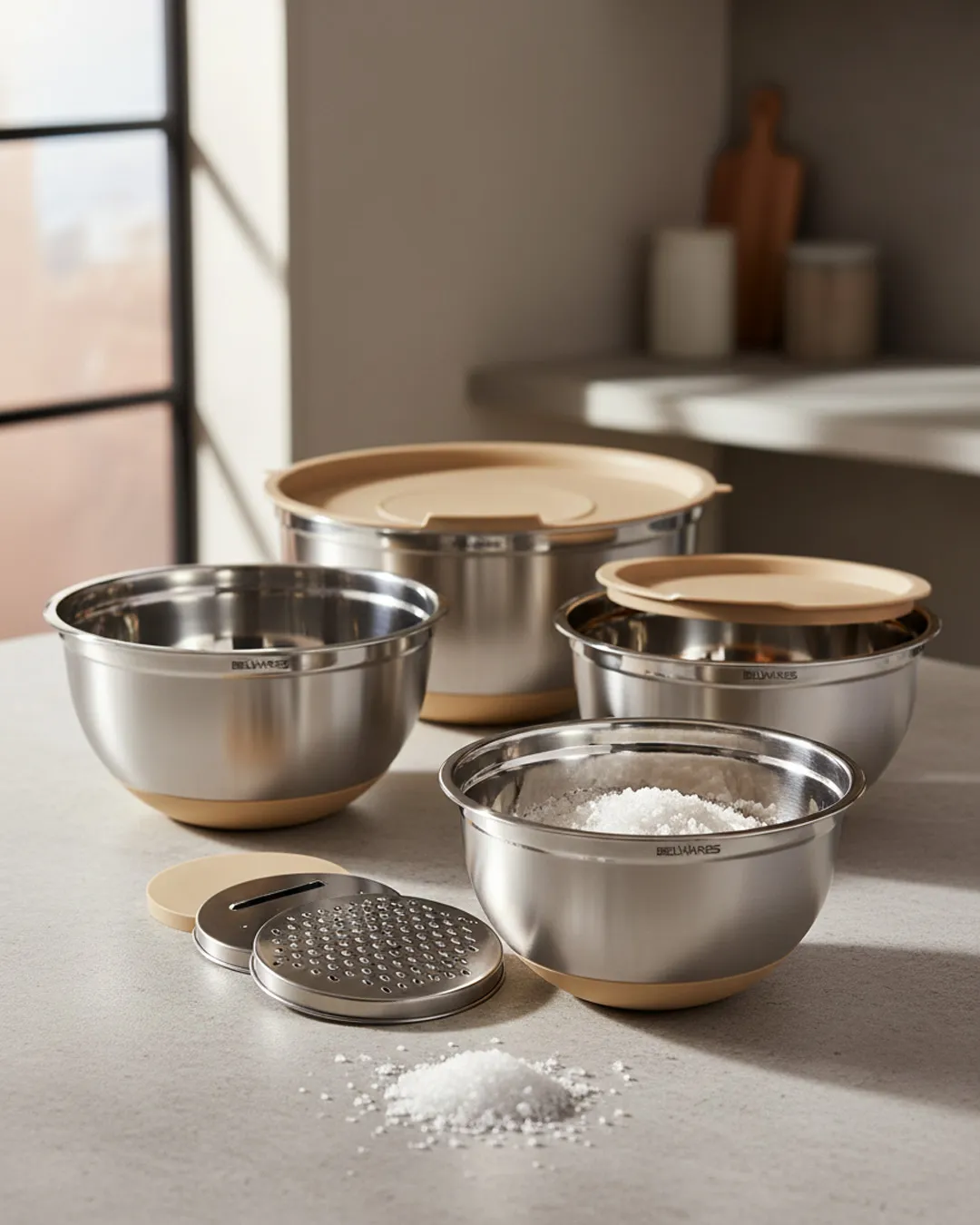
Great culinary storytelling requires quality tools that support your creative vision. Just as a writer needs reliable implements, a storytelling cook needs equipment that performs consistently and inspires confidence. Your cookware and kitchenware form the foundation of your culinary practice.
Quality cookware ensures even heat distribution, preventing hot spots that can ruin carefully crafted dishes. When you’re telling a story through food, you need tools that won’t introduce plot twists you didn’t intend—no burned patches on your carefully reduced sauce, no unevenly cooked proteins that distract from your narrative.
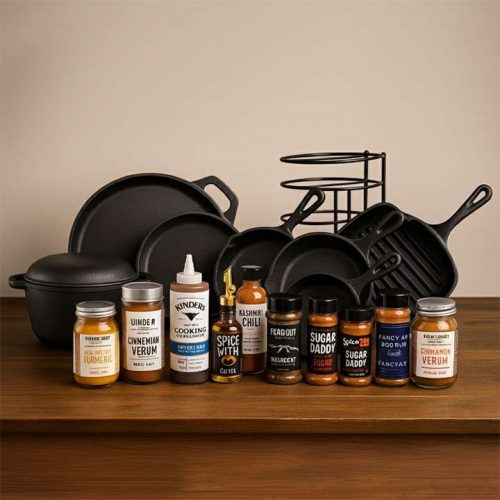
Cast iron deserves special mention in November cooking. A comprehensive set like the Chef’s Essential 11-Piece Cast Iron Set provides versatility for the season’s diverse cooking needs. From Dutch ovens perfect for braising and stewing to skillets ideal for searing and roasting, cast iron’s superior heat retention and distribution make it ideal for the long, slow cooking methods that define comfort food.
Cast iron also carries its own narrative weight. These are tools that improve with use, developing seasoning and character over time. They’re often passed down through generations, carrying stories of thousands of meals prepared. Cooking with cast iron connects you to culinary traditions stretching back centuries, adding historical depth to your modern culinary stories.
Beyond pots and pans, invest in quality knives, cutting boards, and finishing tools. A proper salt cellar for your HEPP’s Fleur De Sel allows easy access and encourages the finishing touches that elevate dishes from good to unforgettable. Small details in tool selection compound into significant differences in cooking experience and results.
Recipes That Speak Love
Certain recipes have become synonymous with comfort and care. In November, these dishes take center stage, each one offering opportunities to express love through culinary storytelling. The key is approaching each recipe not as a strict formula, but as a framework for personal expression.
Slow-Braised Short Ribs: Few dishes communicate care like meat braised for hours until it surrenders to tenderness. The time investment itself becomes part of the story you’re telling. Finished with HEPP’s Fleur De Sel, each bite offers layers of rich, complex flavor punctuated by clean, mineral brightness.
Roasted Root Vegetable Medley: The humble vegetables of November carrots, parsnips, beets, and turnips transform into something extraordinary when roasted with quality olive oil and herbs. The natural sugars caramelize, creating depth and complexity. A final sprinkle of Fleur De Sel just before serving brings all those flavors into sharp, delicious focus.
Rustic Bread with Compound Butter: Sometimes the simplest preparations tell the most powerful stories. Warm, crusty bread torn by hand and slathered with butter infused with herbs and finished with Fleur De Sel becomes an experience of pure comfort and hospitality.
Dark Chocolate Tart: The sweet-salty combination of rich chocolate and quality finishing salt creates culinary magic. HEPP’s Fleur De Sel on chocolate desserts doesn’t just add contrast it enhances the perception of chocolate’s complexity, making it taste more intensely chocolatey while adding textural interest.
Each of these dishes provides a canvas for your personal culinary story. Adjust seasonings to reflect your family’s preferences, add ingredients that hold special meaning, present them in ways that honor your unique aesthetic. The recipe is just the beginning your interpretation creates the actual story.
The Art of Finishing: Why Salt Matters
Finishing salt represents one of the most misunderstood elements of cooking. Many home cooks don’t distinguish between cooking salt and finishing salt, missing opportunities to add crucial final layers of flavor and texture to their dishes.
Cooking salt gets incorporated during the cooking process, dissolving completely and seasoning food throughout. Finishing salt is applied at the very end, often right before serving, where it remains visible and provides distinct bursts of flavor and satisfying crunch. HEPP’s Fleur De Sel excels in this finishing role.
The moisture content of Fleur De Sel sets it apart from other salts. This slight dampness helps the crystals adhere to food better while also affecting how they dissolve on the palate, creating a different sensory experience than completely dry salts. The result is a more gradual, pleasant salt experience that enhances rather than dominates.
Timing matters enormously with finishing salt. Applied too early, the crystals dissolve and lose their textural contribution. Applied at the perfect moment just as food reaches the table they provide exactly the contrast and emphasis your dish needs. This is where culinary storytelling becomes culinary poetry, with each element timed for maximum impact.
Different foods benefit from finishing salt in different ways. On proteins, it enhances juiciness and creates interesting textural contrasts. On vegetables, it brightens and intensifies natural flavors. On desserts, it creates sophisticated sweet-salty interplay that keeps palates engaged. Learning when and how to finish with quality salt like HEPP’s Fleur De Sel elevates your entire cooking repertoire.
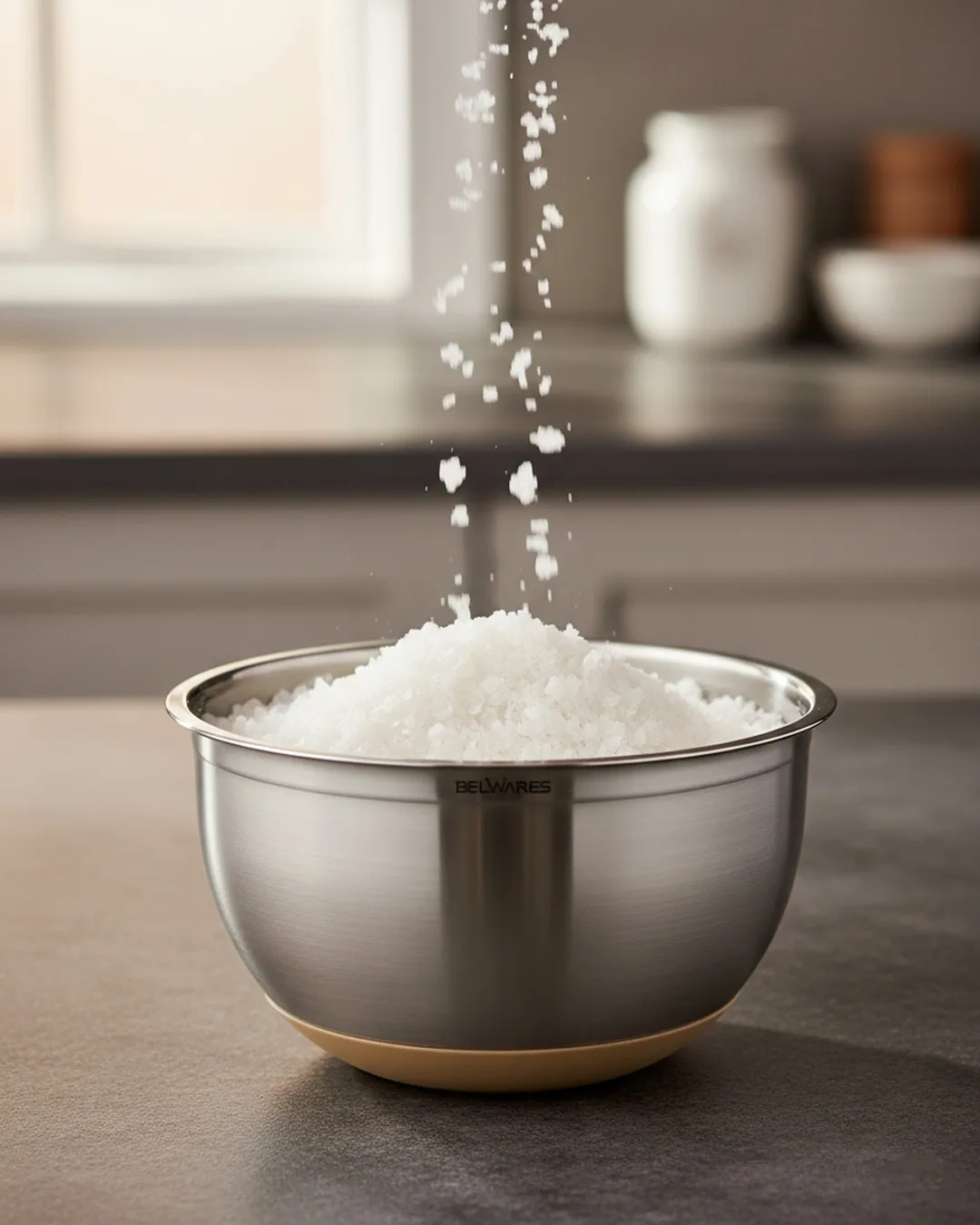
Building Your Culinary Story Arsenal
Developing strong culinary storytelling skills requires building a well-equipped kitchen that supports your creative vision. Beyond salt and cookware, consider stocking your kitchen with ingredients and tools that expand your narrative possibilities.
Quality oils, vinegars, and condiments form the foundation of flavor development. Each brings its own story and character to dishes. Extra virgin olive oil from specific regions, aged balsamic vinegar, specialty mustards—these ingredients carry geographical and cultural stories that enrich your cooking.
Fresh herbs deserve special attention in November cooking. While summer herbs like basil fade, heartier options like rosemary, sage, and thyme come into their own. These robust herbs complement the season’s foods while adding aromatic complexity that engages multiple senses, creating more immersive culinary experiences.
Spices tell stories of trade routes, cultural exchange, and human ingenuity. Building a collection of quality whole spices that you grind as needed ensures maximum freshness and flavor. Each spice opens new narrative directions for your cooking, from warming cinnamon in baked goods to complex curry blends in main dishes.
Don’t overlook the importance of proper storage. Quality ingredients deserve quality preservation. Airtight containers for spices, proper salt storage in cellars that protect from moisture, and appropriate pantry organization all contribute to maintaining the integrity of your culinary storytelling materials.
Finally, invest in knowledge. Cookbooks, cooking classes, and culinary education expand your technical skills while exposing you to different culinary traditions and storytelling approaches. Every technique you master and every cultural food tradition you understand gives you more tools for expressing yourself through cooking.
Frequently Asked Questions
What is culinary storytelling?
Culinary storytelling is the practice of using food preparation and presentation to create emotional connections and memorable experiences. It involves cooking with intention, selecting quality ingredients, and approaching meal creation as an act of communication and care rather than just sustenance.
Why is Fleur De Sel better than regular table salt?
Fleur De Sel is hand-harvested sea salt with a unique crystalline structure, moisture content, and mineral complexity that regular table salt lacks. It provides superior texture, more nuanced flavor, and doesn’t contain the anti-caking agents found in table salt. As a finishing salt, it offers bursts of clean, mineral-rich saltiness that enhance dishes without overwhelming them.
How should I use HEPP’s Fleur De Sel in November cooking?
Apply HEPP’s Fleur De Sel just before serving as a finishing touch. It works beautifully on roasted vegetables, braised meats, fresh breads, salads, and even desserts. The key is to add it at the last moment so the crystals maintain their texture and provide distinct flavor highlights rather than dissolving completely into the dish.
What makes November special for culinary storytelling?
November combines several factors that make it ideal for culinary storytelling: seasonal ingredients at their peak, cultural traditions centered on gathering and gratitude, comfortable weather that encourages indoor cooking, and major holidays that bring people together. The season’s natural emphasis on connection and appreciation creates the perfect context for meaningful cooking.
What cookware is essential for November comfort cooking?
Quality cast iron cookware, Dutch ovens, roasting pans, and heavy-bottomed pots form the foundation of November cooking. These tools support the slow-cooking methods, roasting, and braising that define comfort food. A comprehensive set like the Chef’s Essential 11-Piece Cast Iron Set provides versatility for most seasonal cooking needs.
Can culinary storytelling work for everyday meals?
Absolutely. Culinary storytelling isn’t reserved for special occasions. Even simple weeknight dinners benefit from thoughtful ingredient selection, mindful preparation, and caring presentation. The practice of cooking with emotional intention transforms routine meals into meaningful moments of connection, regardless of complexity.
How do I develop my own culinary storytelling style?
Start by cooking with presence and attention. Consider who you’re cooking for and what you want to express. Experiment with quality ingredients like HEPP’s Fleur De Sel and notice how they affect your cooking and the responses of those you feed. Over time, you’ll develop intuition about which flavors, techniques, and presentations best express your unique culinary voice.
Is expensive equipment necessary for good culinary storytelling?
While quality tools enhance the cooking experience, culinary storytelling is fundamentally about intention and care rather than expensive equipment. A few well-chosen, quality pieces good knives, reliable cookware, premium finishing ingredients like Fleur De Sel matter more than large collections of mediocre tools. Invest thoughtfully in items you’ll use regularly.
Conclusion: Your November Culinary Journey
As November unfolds, embrace the opportunity to tell stories through your cooking. Each meal becomes a chapter in your personal culinary narrative, with HEPP’s Fleur De Sel providing the perfect finishing touch that brings clarity and emphasis to your flavor stories.
The language of love spoken through food transcends words, cultural boundaries, and time itself. When you cook with quality ingredients, thoughtful technique, and genuine emotional intention, you’re participating in humanity’s oldest form of storytelling. You’re creating memories that will outlast the meal itself, building connections that nourish far beyond physical sustenance.
This November, approach your kitchen as a storyteller approaches the page with respect for your materials, clarity of intention, and openness to where the creative process leads. Let HEPP’s Fleur De Sel be your punctuation, the element that gives your culinary sentences structure and emphasis. Equip yourself with quality cookware that supports your vision and explore complementary flavors like HEPP’s Roasted Garlic Sea Salt that expand your storytelling palette.
Follow us for new recipes that will inspire your culinary storytelling journey throughout the season and beyond.
The stories you tell through your cooking this November will resonate in memory long after the last plate is cleared. Make them worth remembering. Make them speak love.