Three years ago, I burned a Thanksgiving turkey so badly that smoke filled my apartment for days. My downstairs neighbor who’d emigrated from Istanbul knocked on my door the next morning with a container of leftover pilaf she’d made for her own family gathering. “Next time,” she said, laughing, “use more salt earlier. And maybe open a window.”
That pilaf, fragrant with butter and carefully chosen spices, sat in my fridge for two days while I pondered what she meant about “more salt earlier.” I’d grown up believing Thanksgiving meant following my grandmother’s recipes exactly right down to the can of cream of mushroom soup she dumped on green beans.
But that Turkish pilaf tasted intentional. Layered. Like someone had actually thought about seasoning instead of just checking a box.
Over the years since, I’ve worked with enough home cooks and recipe tested enough Thanksgiving variations to realize something: harvest celebrations happen everywhere, and most cultures season them better than we do. Not fancier just more thoughtfully.
This isn’t about abandoning your family’s recipes. It’s about understanding why global harvest traditions taste so good, then applying those principles to the turkey and stuffing you already make.
Why Global Harvest Celebrations Taste Different
Every agricultural society marks the harvest. Japan celebrates Niiname-sai in November, Korea observes Chuseok in autumn, Ghana marks Homowo after the harvest season, and Germany holds Erntedankfest church services with decorated altars of produce.
Walk into these celebrations and you’ll notice something immediately: the food doesn’t taste like an afterthought. It tastes like someone put actual effort into seasoning.
Take Korean Chuseok. Families spend days preparing songpyeon (half-moon rice cakes), marinated meats, and japchae (glass noodles with vegetables). Nothing’s bland. Every element gets seasoned deliberately with quality salt, sesame oil, soy sauce, garlic, and ginger. The meal feels complete because each dish tastes like something.
Compare that to the average American Thanksgiving, where the turkey comes out dry, the vegetables taste like water, and everything gets drowned in gravy to compensate for underseasoning.
The difference isn’t budget or ingredients. It’s technique. And increasingly, I’ve found that one ingredient bridges these traditions better than anything else: roasted garlic sea salt. Garlic appears in harvest celebrations from Mediterranean Europe to East Asia to West Africa. Roasted garlic brings a sweetness and depth that works across cuisines.
Mediterranean Harvest Meals: The Patient Approach
I learned Mediterranean harvest cooking from a Greek family I stayed with in Crete one October. They were preparing for a church harvest festival, and I watched the grandmother Sophia work for three days straight.
Day one, she salted lamb and let it sit uncovered in the refrigerator. Day two, she chopped vegetables and tossed them with coarse sea salt and olive oil hours before roasting. Day three, she made the meal but the flavoring had happened over 72 hours.
“American cooks rush,” she told me through her daughter’s translation. “They salt once, at the end. The salt never gets inside.”
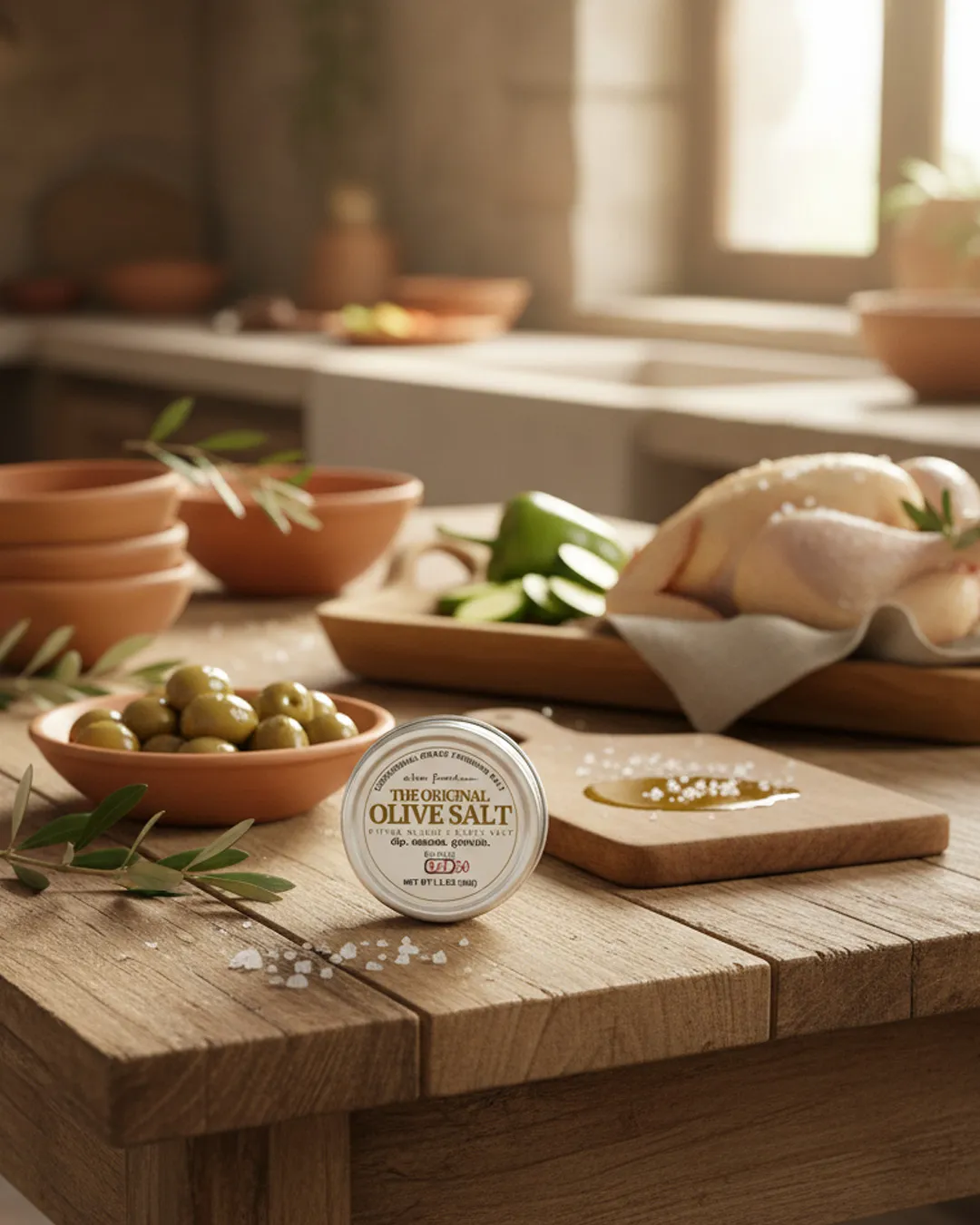
This “patient seasoning” completely changed how I cook turkey. Now I dry-brine mine 48 hours ahead with kosher salt, dried thyme, rosemary, and HEPP’s Roasted Garlic Sea Salt. The salt penetrates the meat while the skin dries out for better crisping.
The result? Even my cheap Butterball tastes like it came from a farm-to-table restaurant.
Mediterranean harvest vegetables get the same treatment. Sophia tossed her vegetables with salt an hour before roasting. The salt drew out moisture, which evaporated in the hot oven, concentrating flavors and creating caramelization.
Try this with Brussels sprouts: toss them with this aromatic roasted garlic salt, olive oil, and black pepper an hour ahead. Roast at 425°F. They’ll develop crispy, caramelized edges that convert even Brussels sprouts haters.
Asian Harvest Traditions: Layering Umami
Korean Chuseok taught me about umami layering. I was terrible at it initially—my first attempt at japchae tasted flat because I thought soy sauce alone counted as “seasoning.”
My Korean friend Mina laughed when she tasted it. “You need layers,” she explained. “Soy sauce is one layer. Sesame oil is another. Garlic is another. They stack.”
This technique transforms Thanksgiving stuffing. Instead of relying on dried sage alone, layer your flavors:
- Toast bread cubes with flavored sea salt
- Use mushroom or chicken stock instead of water
- Add sautéed garlic and onions
- Include umami-rich ingredients like dried mushrooms or soy sauce
Each element adds depth without overwhelming. The stuffing tastes complex instead of one-note.
Asian harvest meals also emphasize balance. Sweet elements get paired with something sharp or fermented. Heavy dishes come with pickled vegetables. Every bite offers contrast.
Apply this to Thanksgiving: if you’re serving sweet potato casserole (sweet), balance it with something sharp like a citrus-dressed salad or pickled vegetables. Your meal will feel complete instead of cloying.
Latin American Harvest Feasts: Heat and Smoke
I’ve never successfully replicated the flavors from a Mexican harvest celebration I attended in Oaxaca, mostly because I don’t have access to outdoor fire pits or indigenous chilies. But I learned principles that work in regular American kitchens.
Latin American harvest cooking uses high heat and smoky flavors. Vegetables get charred. Proteins get rubbed with spice blends that can withstand intense cooking. Everything develops deep, caramelized flavor.
You can mimic this without a fire pit. Roast your vegetables at 450°F instead of 375°F. The higher heat creates charring and caramelization that adds complexity.
Season your vegetables boldly before roasting they can handle it. Use roasted garlic sea salt, smoked paprika, and cumin. The high heat will caramelize the roasted garlic in the salt, creating layers of sweet, savory, smoky flavor.
My favorite application: toss sweet potatoes with roasted garlic salt, smoked paprika, and olive oil. Roast at 450°F until the edges blacken slightly. They taste like they came from a wood-fired oven.
West African One-Pot Wisdom
A Ghanaian colleague once watched me cook Thanksgiving dinner using twelve different pots and pans. “Why so many dishes?” she asked. “Everything gets cold while you’re making everything else.”
She had a point. West African harvest celebrations often center on one-pot meals jollof rice, groundnut stew, waakye. Everything cooks together, staying hot and letting flavors integrate.
I’ve started applying this to Thanksgiving sides. Instead of separate dishes for grains, vegetables, and proteins, I make a one-pot harvest grain bowl:
Cook wild rice or farro in well-seasoned broth. Add roasted vegetables, dried cranberries, toasted pecans, and fresh herbs. Season with quality finishing salt.
It stays hot, tastes cohesive, and reduces both cooking time and cleanup. Plus, it’s actually good enough that people eat it instead of just pushing it around their plates.
Applying These Techniques to Your Table

You don’t need to master four cuisines. Pick one technique that appeals to your cooking style:
If you like prep-ahead cooking: Use Mediterranean patient seasoning. Dry-brine your turkey 48 hours early with kosher salt and herbs. Salt your vegetables an hour before roasting.
If you want depth of flavor: Apply Asian umami layering. Build your stuffing with multiple savory elements instead of relying on one herb. Use quality stock, season your bread cubes, add mushrooms or soy sauce.
If you love crispy, caramelized foods: Try Latin American high-heat roasting. Increase your oven temperature, season boldly with robust spices, and let vegetables develop charred edges.
If you want efficiency: Use West African one-pot techniques. Combine your grain, vegetable, and nut side dishes into one cohesive bowl that stays hot and tastes integrated.
The common thread? Thoughtful seasoning. Not more ingredients—just better use of salt, spices, and timing.
The Science Behind Cross-Cultural Flavor
Here’s why these techniques work regardless of cuisine: certain flavor compounds are universally recognized as “delicious.”
Roasted garlic undergoes the Maillard reaction—the chemical process where proteins and sugars interact under heat to create hundreds of savory compounds. This happens in Korean doenjang, Italian soffritto, and Mexican mole. When you use roasted garlic sea salt, you’re tapping into these universal flavor compounds.
Similarly, proper salting enhances flavor perception by suppressing bitterness and amplifying savory notes. This works the same way whether you’re seasoning Korean japchae or American green beans.
You’re not making “fusion” food. You’re applying universal flavor principles that happen to be expressed through ingredients your grocery store actually stocks.
Practical Steps for This Year
Start small. I recommend changing one or two elements:
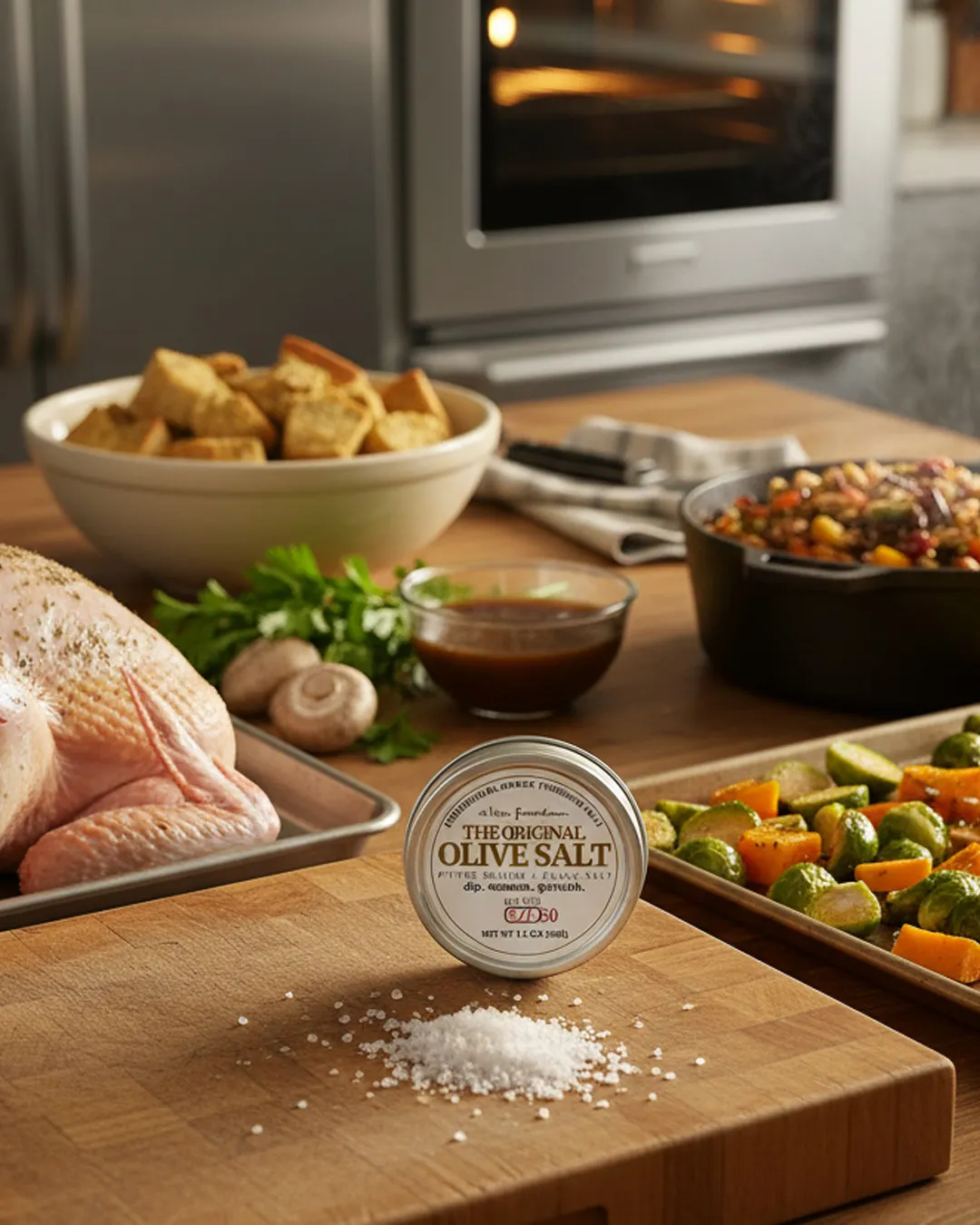
For your turkey: Dry-brine it 48 hours ahead. Coat it with coarse salt, dried herbs, and roasted garlic sea salt. Leave it uncovered in the refrigerator. The salt seasons deeply while the skin dries.
For your vegetables: Salt them before roasting, not after. Roast at higher heat (425-450°F) for better caramelization. Use bold seasonings that can handle the intensity.
For your stuffing: Layer your flavors. Season your bread cubes before assembling. Use flavorful stock. Add umami elements like mushrooms or well-chosen herbs.
For one new side: Make a one-pot grain dish with wild rice, roasted vegetables, nuts, and dried fruit. Keep it simple, season it properly, and let everything cook together.
Frequently Asked Questions
Won’t global techniques make my Thanksgiving unrecognizable to my family?
Not unless you want them to. I’m suggesting you dry-brine your turkey (which is just salting it ahead of time), roast your vegetables at higher heat, and season your stuffing more thoughtfully. Your turkey is still turkey, your stuffing is still stuffing—they just taste more intentional. My family didn’t even notice the changes until I mentioned them after dinner. They just said everything “tasted better this year.” That’s the goal.
What if I’ve never dry-brined a turkey before?
It’s easier than it sounds. Pat your turkey dry, coat it generously with salt and herbs, and leave it uncovered in the refrigerator for 24-48 hours. That’s it. The salt penetrates the meat while the skin dries out for better crisping. You don’t need special equipment or techniques beyond salt and time. I was nervous my first time too, but it’s genuinely foolproof. Just use enough salt—about 1 tablespoon per 5 pounds of turkey.
Is roasted garlic salt really different from regular garlic salt?
Completely different. Regular garlic salt uses garlic powder and table salt—one-dimensional and often chemical-tasting. Roasted garlic salt uses actual roasted garlic that’s undergone caramelization, developing sweet, nutty, complex flavors. It’s like comparing instant coffee to French press—technically the same category, entirely different experience. I tried cheap garlic salt first and regretted it. The quality difference is worth the few extra dollars.
Can I prepare these dishes ahead of time?
Most of these techniques actually require or benefit from advance preparation. Dry-brining needs 24-48 hours. One-pot grain dishes often taste better the next day as flavors integrate. You can prep and season vegetables hours ahead, then roast them just before serving. The only exception is finishing salts—add those right before serving for maximum impact. These global techniques are actually more prep-ahead friendly than traditional American Thanksgiving cooking.
What if my family resists changes to traditional recipes?
Don’t announce you’re changing anything. Just cook your grandmother’s recipes with better technique. Dry-brine the turkey but use her herbs. Make her stuffing but toast the bread and layer your seasonings. Roast her vegetable sides at higher heat with better seasoning. The dishes will taste familiar but significantly better. If anyone asks, just say you “paid more attention to seasoning this year.” Most people won’t even notice specific changes—they’ll just enjoy the food more.
Your Thanksgiving, Thoughtfully Seasoned
I still make my grandmother’s cornbread dressing every Thanksgiving. But now I toast the cornbread first, use homemade stock instead of canned broth, and season in layers with quality salt at multiple stages.
It tastes like her recipe just more like she intended it to taste. More like harvest celebrations I’ve experienced across different cultures, where seasoning wasn’t an afterthought but the foundation.
That Turkish pilaf my neighbor brought me years ago taught me something my grandmother’s recipes never explicitly stated: good food requires thoughtful seasoning. It’s not about expensive ingredients or complicated techniques. It’s about understanding that salt works best when applied early, that flavors layer better than they combine, and that high heat develops complexity simple roasting can’t match.
This year, borrow one technique from global harvest traditions. Maybe it’s Mediterranean patience salting your turkey days ahead. Maybe it’s Asian layering building depth in your stuffing. Maybe it’s Latin American heat roasting your vegetables at higher temperature. Maybe it’s West African efficiency combining sides into one cohesive dish.
Your family might not identify what’s different. They’ll just know that this year, somehow, Thanksgiving tasted more like the celebration it’s supposed to be.
Season thoughtfully. Cook with intention. Use ingredients that carry real flavor. And remember that traditions aren’t meant to stay frozen they’re meant to grow better with each generation.
Start with better salt. Everything else follows.