There’s something deeply satisfying about pulling a sizzling pan from the oven, steam rising, and knowing you’re about to eat something remarkable and you only used one dish.
Cooking for one doesn’t mean sad desk lunches or another night of takeout containers stacked in the fridge. It means freedom. The freedom to experiment with bold flavors, to eat dinner at 9 PM if you feel like it, and to never compromise on taste just because you’re the only one at the table.
The secret weapon that transforms simple one-pan cooking into restaurant-quality meals? A killer flavor booster that does the heavy lifting while you focus on technique. That’s where something like Sao Noi Original Chili Oil changes everything.
Why One-Pan Cooking Actually Works Better for Solo Dining
Here’s what nobody tells you about cooking elaborate meals for yourself: the cleanup-to-enjoyment ratio is all wrong. You spend forty minutes prepping, cooking, and coordinating multiple pans, then fifteen minutes eating alone, followed by another thirty minutes of dishes. It’s exhausting.
One-pan meals flip that script entirely. Everything happens in a single vessel proteins, vegetables, aromatics, and that gorgeous Fond that develops on the bottom. The flavors meld together instead of existing in isolation on your plate. And when dinner’s done, you’ve got exactly one pan to wash.
But the real magic happens when you understand that limitation breeds creativity. When you can’t rely on five different pots and complicated techniques, you learn to build layers of flavor strategically. Each ingredient needs to earn its place.
The Foundation: Building Flavor Without the Fuss
Restaurant kitchens have something home cooks often don’t: mise en place stations stocked with pre-made flavor bases, finishing oils, and aromatic compounds ready to deploy at a moment’s notice. That’s why their food tastes so complex they’re starting ten steps ahead.
You can replicate this at home with smart pantry choices. The difference between a bland chicken breast and something extraordinary often comes down to what you have within arm’s reach.
Good sea salt matters more than you think. When you’re working with limited ingredients, quality makes the difference. Specialty salts from Torobon can elevate simple proteins with mineral complexity you won’t get from table salt. A finishing sprinkle transforms the entire dish.
Freshly ground black pepper adds a completely different dimension than the pre-ground stuff that’s been sitting in your cabinet since 2019. The aromatic oils dissipate quickly, so whole peppercorns you grind yourself deliver that sharp, floral bite that wakes up your palate.
But the true game-changer for one-pan cooking is having a flavor-packed chili oil that brings heat, aromatics, and texture all at once. This is where Sao Noi Original Chili Oil becomes indispensable. It’s not just heat it’s the garlic and onion undertones that have been carefully balanced to enhance rather than overwhelm. You get that restaurant-quality complexity without having to mince aromatics or dirty additional pans.

The Technique: How to Layer Flavors in One Pan
Professional kitchens build flavor in stages. Home cooks often skip this step, throwing everything in at once and wondering why it tastes flat. Here’s the framework that changes everything:
Stage One: The Fat and Aromatics
Start with your cooking fat heating in the pan. For most one-pan meals, you want something with a decent smoke point—avocado oil, grapeseed oil, or even a neutral vegetable oil. Get it shimmering, not smoking.
If you’re using Sao Noi chili oil as part of your base fat, add it toward the end of this stage. The rice bran oil base has a high smoke point, but those precious garlic and onion pieces will burn if you’re not careful. Let them infuse the oil gently rather than frying them aggressively.
Stage Two: The Protein
Season your protein generously. Chicken thighs work beautifully in one-pan cooking because they stay moist and develop incredible color. A quality all-purpose seasoning blend rubbed into the skin before searing creates that caramelized crust you’d pay twenty dollars for at a restaurant.
Get a serious sear on the meat. Don’t move it. Let it develop that golden-brown crust that signals the Maillard reaction is happening. That’s where flavor lives.
Stage Three: The Vegetables
This is where one-pan cooking gets strategic. Harder vegetables go in first carrots, potatoes, Brussels sprouts. They need time to soften and caramelize. Quick-cooking vegetables like cherry tomatoes, spinach, or snap peas get added in the final minutes.
Here’s a chef trick: toss your vegetables in a small bowl with a drizzle of chili oil before adding them to the pan. They’ll develop a subtle heat and pick up those aromatic flavors as they roast. The garlic pieces will crisp up beautifully against the vegetables.
Stage Four: The Deglaze
After everything’s had time to develop color, deglaze the pan. Wine, stock, even just water anything to lift those brown bits stuck to the bottom. That Fond is concentrated flavor. Use a wooden spoon to scrape it up and incorporate it into your sauce.
Five One-Pan Meals That Actually Deliver

Let me translate the terminology that makes most people’s eyes glaze over. “Aluminum core” means heat distribution aluminum heats quickly and evenly, preventing hot spots. “Hard anodized” means aluminum treated to be incredibly durable and scratch-resistant, stronger than regular aluminum or stainless steel.
Modern ceramic nonstick uses mineral-based coatings without PFOA or PFOS. The surface releases food easily without requiring excessive oil, making healthier cooking practical.
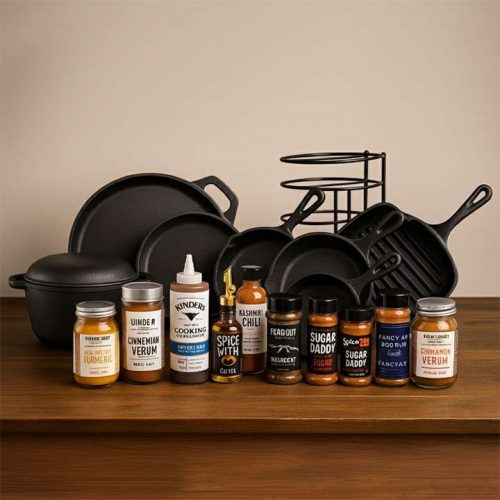
Cast iron deserves its own conversation. The Chef’s Essential 11-Piece Cast Iron Set offers legendary heat retention and even heating, packaged in a complete collection. Cast iron requires minimal maintenance proper seasoning and simple care but rewards you with decades of reliable performance. It transitions from stovetop to oven seamlessly, handles high heat, and actually improves with use.
Practically: ceramic nonstick for everyday cooking where easy cleanup matters, cast iron for searing steaks, making cornbread, or high-heat applications. Together, these materials cover every cooking technique you’ll encounter.
Sheet Pan Salmon with Charred Vegetables
Slice Italian sausage into thick rounds and brown them in a cast-iron skillet. Remove them temporarily, then cook sliced bell peppers and onions in the rendered fat until they start to soften. Return the sausage to the pan, add a generous spoonful of chili oil, and let everything caramelize together for another ten minutes.
The peppers develop sweet, smoky notes while the sausage fat and chili oil create this glossy, flavor-packed coating. Serve it over crusty bread to soak up the juices or toss it with pasta if you’re feeling ambitious. Either way, you’re eating something that tastes like hours of work but took thirty minutes.
Miso-Glazed Pork Chop with Green Beans
Sear a thick-cut pork chop until golden on both sides. Remove it from the pan, add trimmed green beans, and let them blister slightly. Make a quick glaze with miso paste, rice vinegar, and a touch of honey. Return the pork chop to the pan, brush it with glaze, and finish everything in a 375°F oven for eight minutes.
Right before serving, drizzle the entire pan with chili oil. The heat cuts through the richness of the miso glaze, and those crispy green beans with hints of garlic and onion from the oil taste absurdly good. This is the kind of dinner that makes you feel like a competent adult.
Mediterranean Shrimp Bake
Toss raw shrimp with halved cherry tomatoes, sliced zucchini, and crumbled feta cheese. Add minced garlic, lemon zest, and a generous drizzle of chili oil. Bake at 400°F for fifteen minutes until the shrimp turn pink and the tomatoes collapse into a chunky sauce.
The feta gets slightly crispy on top while staying creamy underneath. The zucchini softens but maintains some bite. The chili oil brings this subtle warmth that plays beautifully against the bright lemon and briny feta. It’s the kind of meal that tastes like summer vacation, even if you’re eating it in February.
The Equipment That Actually Matters
You don’t need a full kitchen to make exceptional one-pan meals. You need the right pan and proper heat control.
A 12-inch cast-iron skillet is your best friend. It goes from stovetop to oven seamlessly, develops incredible searing capabilities, and distributes heat evenly. Once properly seasoned, it’s naturally non-stick and will last your entire life.
A half-sheet pan with a raised edge works for anything that doesn’t need a sear first. Look for heavy-gauge aluminum that won’t warp in high heat. Lighter pans create hot spots that burn your food unevenly.
Quality matters here. If you’re investing in cookware, premium sets like those available at Torobon are designed to handle the high heat and repeated use that one-pan cooking demands. Cheap pans develop warped bottoms and flaking non-stick coatings that end up costing more when you have to replace them every year.
The Flavor Philosophy: Less Work, More Impact
Restaurant cooking isn’t about making everything from scratch. It’s about knowing which shortcuts enhance flavor and which compromise it. Professional kitchens use prepared bases, high-quality condiments, and strategic ingredients that do multiple jobs at once.
Chili oil is one of those ingredients. A properly crafted version like Sao Noi’s brings heat, yes, but also that crucial foundation of aromatics garlic and onion that form the base of nearly every savory dish across cultures. Thai chili peppers add complexity beyond basic heat. The rice bran oil carries flavors without weighing down the dish.
When you drizzle it over vegetables before roasting, you’re simultaneously adding fat for caramelization, aromatics for depth, and heat for interest. Three jobs, one ingredient. That’s efficient cooking.
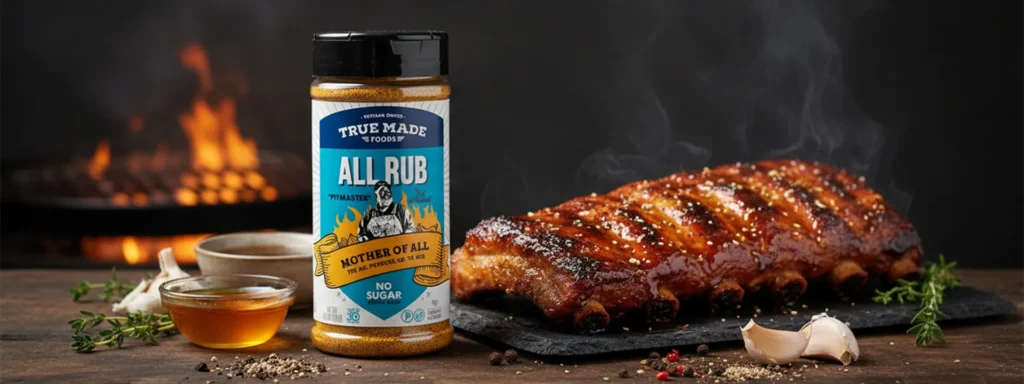
The same philosophy applies to your spice cabinet. Instead of thirty individual jars you never use, invest in a few versatile blends that work across cuisines. A good BBQ rub can season everything from pork chops to roasted cauliflower. Regional spice blends give you authentic flavor profiles without hunting down twelve individual ingredients.
Common Mistakes That Kill One-Pan Meals
Overcrowding the Pan: When ingredients touch, they steam instead of browning. Leave space between pieces. Use a larger pan if needed or cook in batches.
Using Low Heat: Professional kitchens cook hot. Home cooks often baby their food with timid, medium-low heat that results in gray, sad proteins. Crank up the heat. Get that sear. Watch your food, not your phone, and you won’t burn anything.
Adding Everything at Once: Ingredients have different cooking times. Respect that. Hard vegetables need twenty minutes; delicate fish needs eight. Build your meal in stages.
Skipping the Resting Period: When proteins come out of the oven, let them rest five minutes before cutting. The juices redistribute throughout the meat instead of running all over your cutting board. This is the difference between moist, succulent chicken and dry, disappointing chicken.
Being Timid with Seasoning: Restaurant food tastes better partly because chefs season boldly. Your instinct will tell you you’ve added too much salt. You probably haven’t. Season at every stage the protein, the vegetables, the final dish. Taste and adjust.

The Real Secret: It's About Time, Not Skill
The most expensive ingredient in any kitchen isn’t truffle oil or imported spices. It’s your time.
One-pan cooking respects that reality. When you work full-time, maintain relationships, and try to have something resembling a life, spending two hours preparing dinner just isn’t sustainable. You order pizza. You eat cereal. You convince yourself that this is what adult life looks like.
But it doesn’t have to be that way. Thirty minutes and one pan can produce meals that make you excited to eat at home. The trick is having the right building blocks ready to go. Proteins in the freezer. Quality vegetables. And those crucial flavor enhancers—the oils, salts, and spices that bridge the gap between “I made this” and “I want to make this again.”
Sao Noi’s chili oil sits on my counter, within arm’s reach of the stove, because I use it almost daily. It goes on eggs in the morning, gets tossed with roasted vegetables at lunch, and finishes off one-pan dinners with the kind of complex heat that makes every bite interesting. That’s not an exaggeration or clever marketing that’s just honest cooking.
Beyond Dinner: The Versatility Factor
The beauty of building your pantry around versatile ingredients is they work across meals. That chili oil drizzled over your sheet pan salmon? It’s equally transformative over breakfast scrambled eggs or stirred into room-temperature pasta for a quick lunch.
Quality seasonings aren’t one-trick ponies. Asian-inspired spice blends work on everything from stir-fries to roasted chickpeas to popcorn. Once you start thinking in terms of flavor building blocks rather than single-use ingredients, your whole approach to cooking shifts.
You stop buying ingredients for specific recipes and start stocking tools for creating whatever sounds good that night. That’s real cooking freedom.
Frequently Asked Questions
Q: Can I use regular cooking oil instead of specialty chili oil?
You can, but you’ll lose the layered flavor that makes one-pan meals taste restaurant-quality. Regular oil provides fat for cooking, but chili oil brings fat plus aromatics plus heat. If you want to substitute, you’ll need to add minced garlic, diced onion, and red pepper flakes separately which defeats the purpose of quick, simple cooking. Quality condiments like Sao Noi chili oil earn their place by doing multiple jobs at once.
Q: What’s the best pan size for cooking one-pan meals for one person?
A 10 to 12-inch skillet handles most single servings comfortably. Smaller pans force you to overcrowd ingredients, leading to steaming instead of searing. Larger pans work fine but may brown your Fond (those flavorful brown bits) too aggressively in the empty spaces. Cast iron or stainless steel both work beautifully avoid non-stick for high-heat cooking as the coating degrades over time.
Q: How do I prevent vegetables from getting mushy in one-pan meals?
Cut vegetables uniformly so they cook evenly. Add quick-cooking vegetables like spinach or cherry tomatoes in the final five minutes. Harder vegetables like carrots and potatoes should go in first. Use high heat and give vegetables space in the pan crowding creates steam that turns everything soft. A light coating of oil (try a flavorful option like chili oil) helps vegetables caramelize rather than steam.
Q: Are one-pan meals actually healthy or just convenient?
They can be both. One-pan cooking doesn’t inherently make food more or less nutritious that depends on your ingredient choices. The method actually encourages balanced meals since you’re naturally combining protein, vegetables, and often a starch in appropriate portions. Using quality cooking oils and minimizing processed ingredients keeps things clean. Plus, cooking at home gives you complete control over salt, fat, and portion sizes compared to restaurant meals or takeout.
Q: How can I make one-pan meals taste less boring over time?
Rotate your flavor profiles. Asian-inspired one week, Mediterranean the next, then American BBQ style. The same chicken thighs and vegetables taste completely different when finished with chili oil versus lemon and herbs versus BBQ rub. Stock your pantry with versatile seasonings and condiments from different cuisines. The cooking technique stays the same only the flavor building blocks change. This keeps meals interesting without requiring you to learn entirely new cooking methods.
Make It Happen Tonight
The dinner you make tonight doesn’t need to be complicated to be satisfying. It just needs to taste like you gave it some thought like someone who cares about food prepared it with attention.
Start simple. Pick one protein, one or two vegetables, and commit to getting a good sear. Add a finishing drizzle of something flavorful. Taste your food before you plate it and adjust the seasoning. That’s it. That’s the entire formula.
The rest is just repetition and refinement. The more one-pan meals you make, the more instinctive it becomes. You’ll start eyeballing ratios instead of measuring. You’ll know exactly how long your oven takes to roast Brussels sprouts until they’re crispy on the outside and tender inside. You’ll develop preferences for which proteins work best with which seasonings.
Cooking for yourself should be one of life’s quiet pleasures, not another chore on an endless list. When you nail that perfect one-pan meal crispy edges, complex flavors, minimal cleanup you’ll understand why people who love to cook keep doing it even when they’re eating alone.
Because some nights, the best dinner companion is a really excellent meal.