Enhancing Taste with the Best Spices
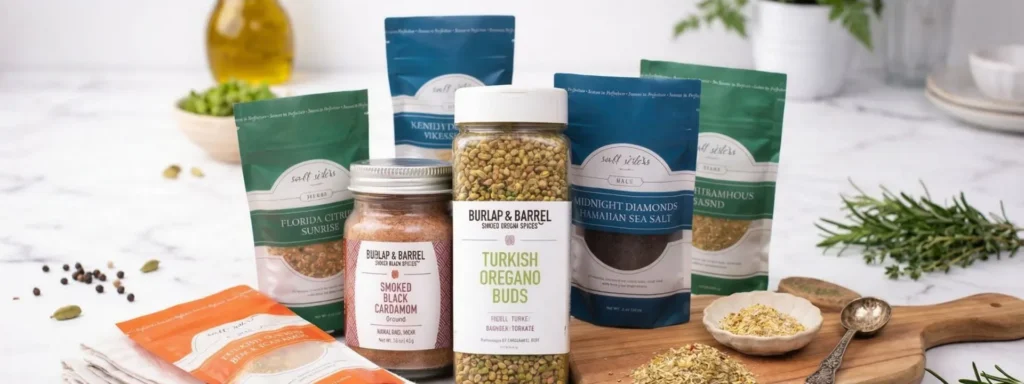
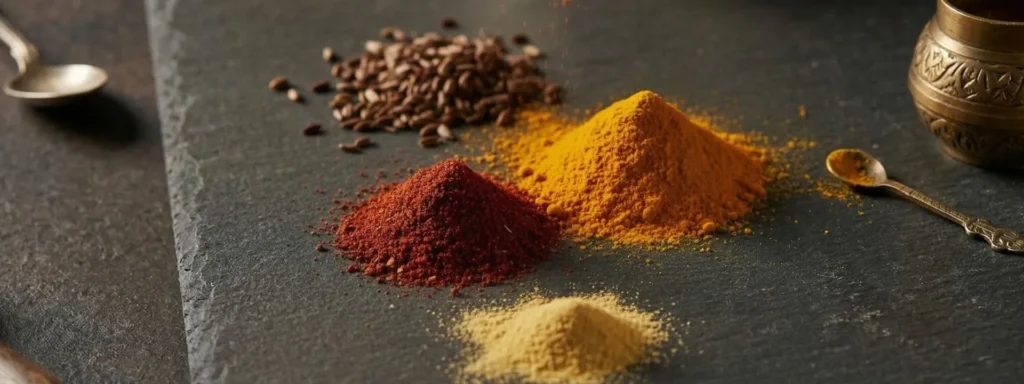
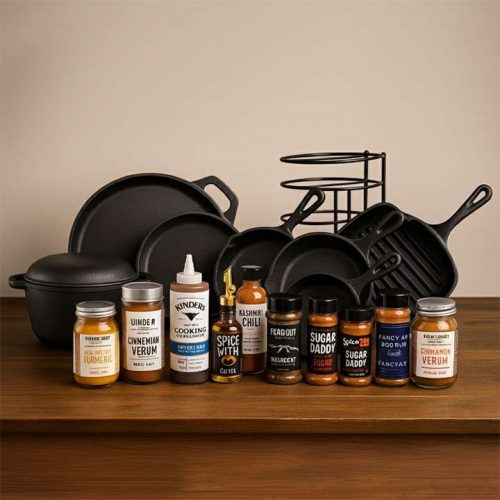
Spices are what take your dressing from “okay” to “incredible.” To make the best salad dressing, you must stock your pantry with the best spices.
Garlic and Onion Powder
These are the foundation. They provide a savory “umami” background to any homemade salad dressing recipe. They dissolve easily in the oil.
Dried Herbs
Dried oregano, basil, and thyme are essential for Italian-style dressings. They release their oils into the vinegar over time. This makes the dressing taste better the next day.
Smoked Paprika and Cumin
Use these for a southwestern twist. They add warmth and color to your easy salad dressing recipe.
Sea Salt and Peppercorns
Always use high-quality salt. It enhances the natural flavors of the vegetables. Freshly cracked black pepper provides a woody heat that pre-ground pepper lacks.
Choosing the Right Fats: A Deep Dive
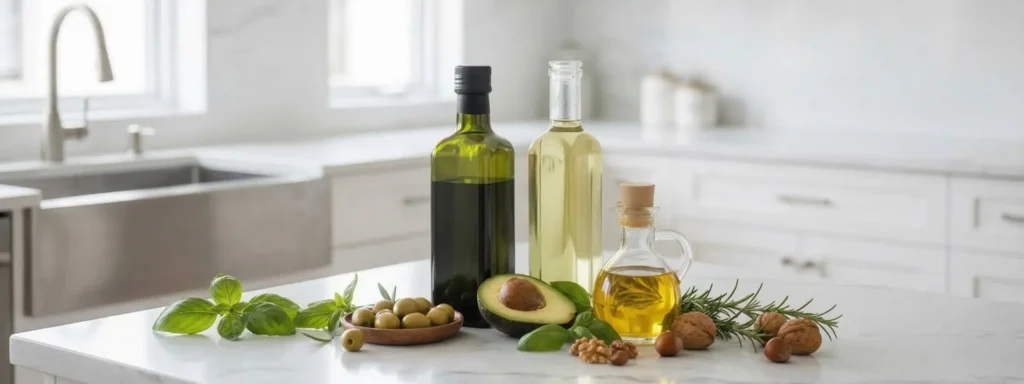
The oil you choose is the body of your homemade salad dressing recipe. Since oil makes up about 75% of the dressing, you should pick the best one.
Extra Virgin Olive Oil (EVOO)
This is the heart of a healthy homemade salad dressing. It contains monounsaturated fats and antioxidants. It has a distinct, fruity flavor. It is perfect for hearty greens like kale or romaine.
Avocado Oil
If you want a neutral flavor, this is the best salad dressing base for you. It has a high smoke point and a buttery texture. It allows the best spices to stand out without competing with the oil.
Walnut or Hazelnut Oil
These are specialty oils. They add a nutty aroma to your homemade salad dressing recipe. They are excellent for autumn salads featuring apples or roasted beets.
Step-by-Step Guide: How to Make Your Own Dressing
Let’s put it all together. This is a quick and easy salad dressing recipe that you can memorize.
- Measure Your Acid: Pour one tablespoon of vinegar or lemon juice into a jar.
- Add Your Emulsifier: Add a teaspoon of mustard or honey.
- Add the Best Spices: Put in a pinch of salt, pepper, and garlic powder.
- The Oil: Pour in three tablespoons of high-quality oil.
- The Shake: Close the lid tightly. Shake for 30 seconds until the color changes and it looks creamy.
This homemade salad dressing recipe is enough for one large family salad
Tips for Storing and Prepping
One of the best things about a homemade salad dressing recipe is that you can make it ahead of time.
- Glass over Plastic: Always store your healthy homemade salad
dressing in glass jars. Plastic can absorb odors and stain. - The Fridge Rule: If your dressing contains fresh garlic or onion, keep it in the fridge.
- The Counter Rule: If it is just oil, vinegar, and dried spices, it can stay on the counter for a few days.
- The “Solid” Oil Fix: High-quality olive oil will solidify in the fridge. Simply run the jar under warm water for a minute to melt it.
Fixing Your Dressing
- Sometimes a simple salad dressing recipe doesn’t turn out perfect. Here is how to fix it.
- Too Sour: Add a tiny bit more oil or a pinch of sugar.
- Too Bland: You likely need more salt. Salt is the bridge that connects the oil and the acid.
- Separating Too Fast: You need more emulsifier. Add another half-teaspoon of mustard.
- Too Thick: Add a teaspoon of water. This thins the dressing without changing the flavor too much.
The acid you choose for your easy salad dressing recipe changes the entire mood of the meal.
- Balsamic Vinegar of Modena: This is thick and sweet. It is the gold standard for a homemade salad dressing recipe. It pairs perfectly with strawberries and goat cheese.
- Champagne Vinegar: This is light and elegant. It is a great choice for a healthy homemade salad dressing meant for delicate microgreens.
- Rice Vinegar: This is very mild. It is a staple for an easy salad dressing recipe with an Asian twist. Pair it with ginger and sesame oil.
- Sherry Vinegar: This has a nutty, complex flavor. It is often used by professional chefs to create the best salad dressing for roasted vegetables.
The Best Spices: A Deep Dive into Flavor Chemistry
To truly master the homemade salad dressing recipe, you must look at your spice rack. The best spices do more than add flavor. They add antioxidants and medicinal properties.
- Turmeric: This adds a bright yellow color and anti-inflammatory benefits. It is a great addition to a healthy homemade salad dressing.
- Sumac: This is a Middle Eastern spice. It has a natural lemony tartness. It is perfect for an easy salad dressing recipe if you run out of fresh lemons.
- Celery Seed: This provides an earthy, savory “hot dog” flavor that is nostalgic and delicious.
- Dry Mustard Powder: This acts as a stabilizer. It helps your homemade salad dressing recipe stay emulsified for longer.
Pairing Your Dressing with the Right Greens
Not every dressing fits every leaf. To create the best salad dressing experience, you must match the weight of the dressing to the weight of the greens.
- Arugula: This is a peppery, thin leaf. It needs a simple salad dressing recipe with lemon and olive oil.
- Kale: This is a tough, fibrous leaf. It needs a heavy homemade salad dressing recipe with acid to soften the fibers.
- Iceberg: This is mostly water. It needs a bold, flavorful healthy homemade salad dressing so the flavor does not get washed away.
Why Torobon Values Homemade Traditions
At Torobon, we believe the kitchen is the heart of the home. Using a homemade salad dressing recipe is about more than just food. It is about taking a moment to craft something with your hands. It is about choosing a healthy homemade salad dressing because you care about your family’s wellness.
We hope this guide helps you find the best spices and the best salad dressing for your lifestyle. Whether you need a quick and easy salad dressing recipe or a gourmet masterpiece, you have the power to create it.
Conclusion
You now have the tools to create the best salad dressing in your own kitchen. You no longer need to rely on processed bottles. By mastering a homemade salad dressing recipe, you are taking control of your health.
Use the best spices, find your favorite oil, and experiment with different acids. Your family will love the new flavors. Your salads will never be boring again.