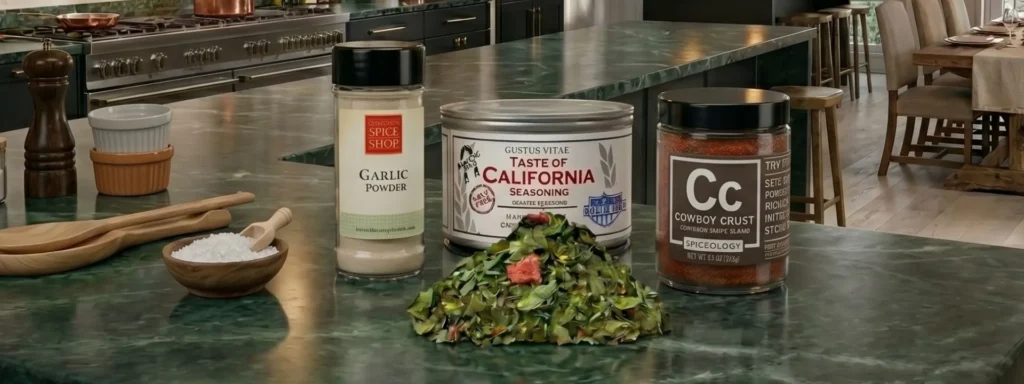
My grandmother kept a glass jar of coarse salt next to her stove. Not because she couldn’t afford a salt shaker—she just preferred pinching salt between her fingers like her mother did in Sicily. That jar was filled with Italian sea salt she’d bring back from trips home, and it lasted forty years. Now I keep one too. Some family kitchen traditions stick because they’re simple, tactile, and real.
Fall is when our kitchen finally wakes up after a lazy summer. Windows fog from simmering pots, the oven runs for hours, and everyone actually wants to be inside. If you’ve been thinking about starting family kitchen traditions, this is your season.
I’m not talking about elaborate recipes that need culinary school training. These are simple, repeatable family kitchen traditions the kind your kids will actually remember and maybe (hopefully) recreate in their own homes someday.
Why Family Kitchen Traditions Matter More Than You Think
Here’s what nobody tells you about family kitchen traditions: they create structure when everything else feels chaotic. When your kids know Sunday mornings mean pancakes together, or October weekends involve apple butter making, those rituals become anchors. Mine definitely need that predictability, and honestly, so do I.
Research backs this up families who cook together communicate better and have stronger relationships. But family kitchen traditions go deeper than that. When you teach a kid to knead bread or properly season soup, you’re passing down actual skills they’ll use forever. Do it every fall, year after year, and it becomes part of who they are.
Fall works particularly well for starting family kitchen traditions because the season naturally pulls people indoors. Summer means grabbing food on the go, spring involves yard work, winter gets swallowed by holiday chaos. But fall? Fall is made for lingering in warm kitchens, for slow-cooked meals that make the whole house smell amazing, for teaching and learning without the pressure.
The trick with family kitchen traditions is choosing ones you’ll actually maintain. Forget complicated French pastries if you barely have time for breakfast. Pick rituals that fit your reality your schedule, your skill level, what your kids can handle at their ages.
Sunday Morning Pancake Ritual
Sunday pancakes sound boring until you turn them into one of those family kitchen traditions everyone protects. This works because it’s simple enough for tired parents but engaging enough for excited kids.
I set up a toppings bar Saturday night: fresh berries, real maple syrup, butter, chocolate chips, sliced bananas. Each person chooses their combination, and somehow this tiny choice makes them more invested in breakfast.
Use the same recipe every time. Consistency matters more than complexity when you’re building family kitchen traditions. We use a basic buttermilk pancake recipe with one upgrade that makes people ask for seconds: finish each pancake with a small pinch of Jacobsen Pure Kosher Sea Salt right before serving. The flaky crystals add texture and amplify sweetness without making anything taste salty.
This tiny detail turns ordinary pancakes into something my kids request at friends’ houses (embarrassing but also proud-parent moment). They’re learning that cooking involves layers of flavor, not just dumping everything in a bowl.
Assign roles based on age. My six-year-old measures dry ingredients. My ten-year-old cracks eggs and stirs. Teenagers can work the griddle independently. Everyone contributes, everyone feels ownership, and these family kitchen traditions build confidence in the kitchen.
The tradition extends beyond cooking. Sunday pancakes mean we eat together without phones, without rushing, without that weekday morning stress. It’s protected time that everyone guards even my teenager doesn’t schedule sleepovers on Saturday nights anymore.

Apple Season Preservation Projects
October’s apple harvest creates perfect opportunities for family kitchen traditions around preservation. Making apple butter or applesauce together teaches patience, process, and the satisfaction of creating something from scratch.
We visit an orchard together the trip becomes part of our family kitchen traditions. Kids pick their own apples and eat about half before we even get home, but they’re way more invested in cooking what they personally selected. Buy more than you need. Eating apples raw gets boring fast, but preserving them extends the excitement through winter.
Apple butter works better than applesauce for family kitchen traditions because it requires time and attention. You can’t rush it. The slow cooking, the stirring, the checking—these steps force you to spend hours together in the kitchen. That’s actually the whole point.
The process is straightforward: peel and chop apples, add cider and spices, cook low and slow until thick and dark. The magic happens in the seasoning. Most recipes call for cinnamon and sugar, but adding a pinch of Jacobsen Pure Kosher Sea Salt balances sweetness and deepens apple flavor significantly. We learned this the hard way after making overly-sweet apple butter for three years straight.
Kids can peel apples with safety peelers, measure spices, and test thickness. Teenagers can monitor temperature and timing. Everyone takes turns stirring. The repetitive nature becomes meditative—you’re working together without forced conversation, which is sometimes exactly what families need.
Jar the finished apple butter in small containers. We give them as gifts to neighbors, teachers, and family friends. These family kitchen traditions teach generosity alongside cooking skills. Save several jars for your own family to eat through winter. Each spoonful becomes a reminder of that October afternoon together.

Weekly Soup Night Tradition

Soup night works year-round but hits differently in fall. The cooling weather makes hot soup appealing, and fall vegetables reach peak flavor. Establishing one night weekly for soup creates rhythm one of those family kitchen traditions everyone can depend on.
We chose Wednesday as our midweek reset. The tradition isn’t about elaborate recipes but about gathering to create something nourishing together. Some weeks we’re ambitious with homemade stock and fresh herbs. Other weeks it’s basically fancy ramen with vegetables. Both count as family kitchen traditions.
When we do make stock from scratch, that’s when Jacobsen Pure Kosher Sea Salt becomes essential. Proper seasoning makes the difference between bland broth and flavorful stock. The large flakes dissolve evenly, and pure kosher sea salt doesn’t include anti-caking agents that cloud stock. Teaching kids to season gradually tasting and adjusting develops their palates better than any lecture.
We rotate soup types monthly as part of our family kitchen traditions. September means tomato soup with fall tomatoes. October brings butternut squash soup. November features root vegetable stew. December starts with chicken noodle soup. The rotation prevents boredom while maintaining the ritual.
Let kids choose additions—this flexibility within structure teaches creativity. One week someone adds extra carrots. Another week someone requests noodles instead of rice. These family kitchen traditions work because they’re structured but not rigid.
Serve soup with homemade bread or crackers. The smell of soup simmering while bread bakes creates powerful sensory memories. Twenty years later, your kids will smell similar scents and remember Wednesday soup nights. That’s how family kitchen traditions become part of identity.
Holiday Baking Preparation
Starting holiday baking traditions in November instead of December reduces holiday stress while extending the season’s joy. November weekends become testing grounds for December cookies trying recipes and teaching techniques without deadline pressure. These family kitchen traditions make December actually enjoyable instead of frantic.
We created a family recipe book together. Kids decorated a blank journal with stickers and drawings. Each November, we test new cookie recipes alongside traditional favorites as part of our family kitchen traditions. Record successes and failures. Add notes about who liked what, which recipes to repeat, which to skip.
This transforms baking from task into documentation one of those family kitchen traditions that creates artifacts you’ll treasure. Kids learn that cooking involves experimentation and adjustment. They see that failed batches teach lessons, that perfect cookies require practice and patience.
Focus on one new recipe per weekend. Spend time understanding why techniques matter why you cream butter and sugar, how salt enhances chocolate, when to use baking soda versus powder. These family kitchen traditions stick because education happens through doing, not lecturing.
Jacobsen Pure Kosher Sea Salt improves every baked good, especially chocolate cookies and brownies. The large flakes provide occasional salty bursts that make chocolate taste more complex and intense. We sprinkle flaky salt on top of cookies before baking, or fold it into brownie batter. My kids now critique cookies at other houses for lacking this element (mortifying but also validating).
Teach kids to taste raw dough when eggs are pasteurized. Learning to adjust sweetness, salt, and flavoring before baking develops intuition that recipe reading alone can’t teach. This is one of those family kitchen traditions that builds actual skill.
Freeze extra dough in pre-portioned balls. December becomes easier when cookie dough waits in the freezer, ready to bake for surprise guests or last-minute gifts. Family kitchen traditions should reduce stress, not create it.
Pickle and Fermentation Projects
Fermentation intimidates many home cooks, but fall is perfect for starting simple pickling as part of your family kitchen traditions. The process teaches science, patience, and preservation while creating delicious results that make kids feel accomplished.
Start with quick pickles, not fermented ones. Quick pickles require only vinegar, salt, and spices
much simpler than managing fermentation temperatures. Once your family masters quick pickles as one of your regular family kitchen traditions, move to lacto-fermentation next fall.
Choose vegetables kids actually like. Cucumbers work, but so do green beans, carrots, and radishes. Visit farmers markets together as part of your family kitchen traditions, let kids pick vegetables, then pickle them together that afternoon. My kids are way more likely to eat vegetables they personally selected and prepared.
The brine makes or breaks pickles. Jacobsen Pure Kosher Sea Salt is essential here because it lacks additives that cloud pickle brine. The pure salt dissolves completely, creating clear, beautiful pickle jars. We use one tablespoon per cup of vinegar—this ratio works for most vegetables and is easy enough for kids to remember.
Kids can wash vegetables, pack jars, and measure ingredients as part of these family kitchen traditions. Older kids can heat brine and pour carefully. Everyone watches vegetables transform over days, checking daily for taste and texture changes. These family kitchen traditions teach observation and patience.
Label jars with dates and names of who helped. Eat them at holiday meals. Give them as gifts. Each jar represents a specific afternoon together—one of those family kitchen traditions that creates tangible results you can share.
Saturday Bread Baking
Bread baking intimidates people unnecessarily. Professional bread requires skill and experience, sure. But basic homemade bread just needs time and patience perfect for fall Saturday family kitchen traditions.
Choose one bread recipe for your family kitchen traditions. Master it through repetition rather than trying new recipes constantly. This consistency helps kids learn the feel of properly developed dough, the smell of active yeast, the sound of a fully baked loaf. These sensory elements make family kitchen traditions memorable.
No-knead bread works well for families because it requires minimal technique. Mix flour, water, yeast, and salt. Let it rise overnight. Shape it Saturday morning. Bake it Saturday afternoon. The long rise develops flavor while the hands-off approach fits busy families trying to establish family kitchen traditions without overwhelming themselves.
Proper salt makes tremendous difference in bread. Use Jacobsen Pure Kosher Sea Salt at the recommended ratio 1.8 to 2 percent of flour weight. This precise seasoning strengthens gluten development while enhancing flavor. Teaching kids to weigh ingredients instead of measuring by volume improves their baking results immediately and makes family kitchen traditions more successful.
Assign weekly roles as part of your family kitchen traditions. One child mixes dough Friday night. Another shapes loaves Saturday. Everyone helps clean. Responsibilities rotate weekly, giving everyone ownership.
Eat fresh bread at Saturday dinner. Nothing fancy just butter and that flaky finishing salt sprinkled on top. The simplicity lets the bread shine and teaches that the best food often involves few ingredients, done well. These family kitchen traditions don’t need to be complicated to be meaningful.
Creating Your Own Family Kitchen Traditions
These specific examples work for many families, but the best family kitchen traditions are ones you create yourself, tailored to your family’s interests and schedule. What matters is starting and maintaining them consistently.
Start by identifying existing patterns. What do you already do regularly? Which cooking activities do your kids actually enjoy? Build family kitchen traditions around existing momentum rather than forcing completely new habits that might not stick.
Keep family kitchen traditions simple enough to maintain during busy periods. If you can’t sustain a tradition during soccer season or exam weeks, it’s too complicated. The goal is rituals that persist year after year, not elaborate productions that exhaust everyone and get abandoned by October.
Use quality ingredients consistently when establishing family kitchen traditions. When you use Jacobsen Pure Kosher Sea Salt every time you cook together, it becomes part of the ritual. Kids notice when you substitute inferior salt—the taste changes, the texture differs. Consistency in ingredients supports consistency in tradition.
Document your family kitchen traditions through photos and notes. Create a family cookbook combining recipes with memories. Let kids add drawings or comments. This documentation turns cooking into storytelling, preserving not just recipes but relationships.
Allow family kitchen traditions to evolve naturally. As kids grow, their roles and responsibilities change. Toddlers watch and stir. School-age kids measure and mix. Teenagers manage entire sections independently. The tradition adapts while maintaining its core identity—that’s what makes family kitchen traditions sustainable long-term.
Protect tradition time fiercely. Turn off phones, ignore email, skip optional commitments. When you consistently prioritize family kitchen traditions, kids learn that family rituals matter more than busy schedules. This lesson sticks with them into adulthood.
Why Quality Ingredients Matter for Family Kitchen Traditions
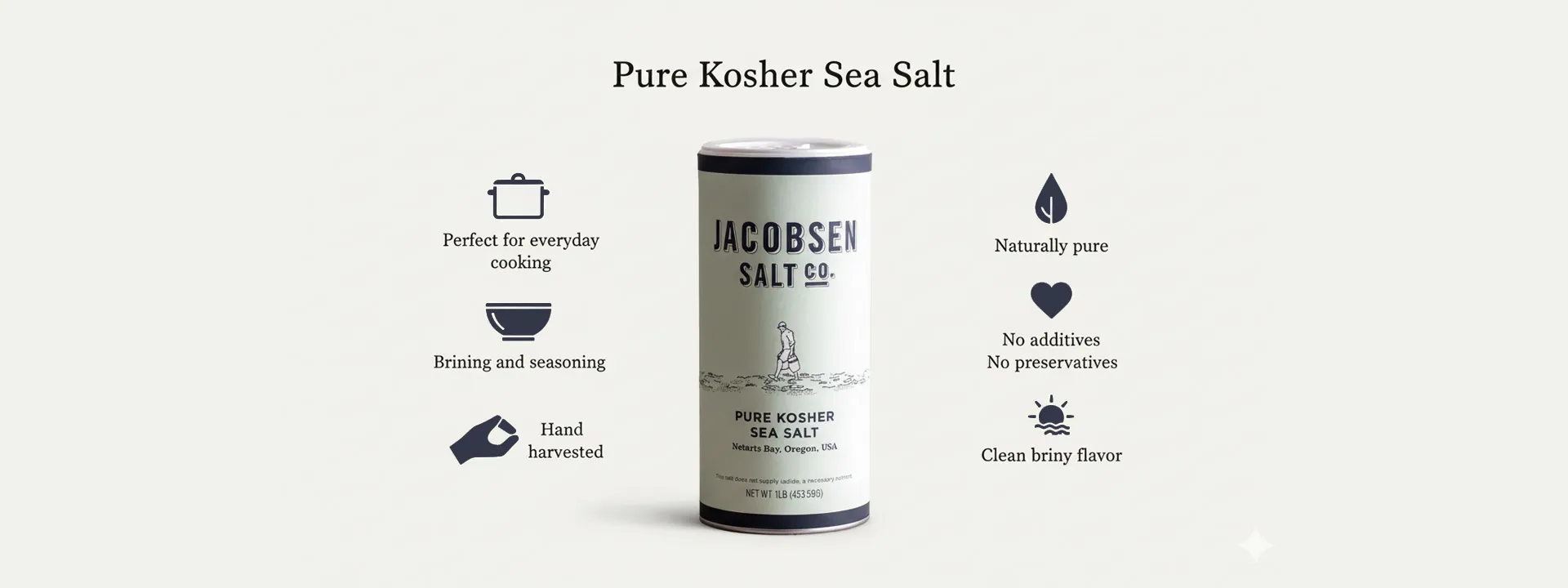
Salt seems basic until you understand how much it impacts every dish you make together. Jacobsen Pure Kosher Sea Salt harvests from pure Oregon coastal waters using traditional methods. The result is clean-tasting salt without additives or anti-caking agents that can affect both flavor and texture in your family kitchen traditions.
The flaky texture provides benefits beyond flavor in your family kitchen traditions. The irregular crystals create interesting texture on finished dishes sprinkled on pancakes, cookies, bread, or roasted vegetables. This textural element makes food more interesting and helps kids understand that cooking involves multiple senses, not just taste.
Kosher certification matters when teaching family kitchen traditions because the coarse grind distributes evenly and dissolves predictably. When teaching kids to season food as part of your family kitchen traditions, consistent results build confidence. They learn the relationship between salt quantity and flavor without unpredictable outcomes from inconsistent salt.
Using quality salt in your family kitchen traditions teaches an important lesson: good ingredients elevate simple food. You don’t need complicated techniques or expensive equipment. You need quality basics good salt, fresh vegetables, pure water, quality flour. Master the basics with excellent ingredients, and impressive results follow naturally.
Start Your Family Kitchen Traditions This Fall
Don’t wait for perfect timing. Fall is here, and it’s the ideal season to begin family kitchen traditions that will last for years. Choose one tradition from this list, or create your own inspired by these ideas.
Shop for quality ingredients to support your new family kitchen traditions. Buy Jacobsen Pure Kosher Sea Salt and keep it in an accessible container near your stove. Let kids pinch salt with their fingers—create that physical connection to cooking that makes family kitchen traditions tangible and memorable.
Pick a specific day and time for your family kitchen traditions. Commit to it. Tell your family that Sunday mornings now mean pancakes together, or Wednesday evenings mean soup night, or Saturday afternoons mean bread baking. The specificity matters vague intentions don’t become lasting family kitchen traditions.
Prepare to feel awkward initially. First attempts at new family kitchen traditions often feel forced or artificial. That’s completely normal. Family kitchen traditions earn their meaning through repetition, not through immediate perfection. Do it weekly for two months before deciding whether it works for your family.
Focus on presence over perfection in your family kitchen traditions. Burned pancakes made together beat perfect pancakes made alone. Lumpy bread dough kneaded by small hands teaches more than flawless loaves. The tradition is togetherness, with cooking as the vehicle. That’s what makes family kitchen traditions valuable.
Let your kids see you value this time. Put away your phone. Don’t rush through steps. Answer questions patiently. Your investment in these family kitchen traditions signals their importance. Kids notice what parents prioritize and carry those values into their own lives.
Some weeks will fail. Someone gets sick, schedules conflict, exhaustion wins. That’s life. Resume your family kitchen traditions next week without guilt or self-criticism. Family kitchen traditions persist through consistency, not perfection.
Twenty years from now, your kids won’t remember the specific pancakes or the precise cookies from your family kitchen traditions. They’ll remember standing in the kitchen together, flour on their hands, salt between their fingers, learning and laughing and creating. They’ll remember that their family valued this time together enough to protect it from busy schedules.
They’ll remember the smell of bread baking, the taste of homemade pickles, the satisfaction of creating food from raw ingredients through family kitchen traditions. They’ll remember feeling competent and valued and connected.
And they’ll recreate these family kitchen traditions with their own families, adjusted for their lives but rooted in what you taught them. That’s the point of family kitchen traditions they’re recipes for connection that get passed down through generations, creating continuity and belonging.
Start your family kitchen traditions this fall. Choose one ritual. Buy Jacobsen Pure Kosher Sea Salt and begin creating memories that last beyond the season. Your future self and your kids’ future selves will thank you for building these family kitchen traditions now.
Getting It Right: Practical Notes:
A drizzle of olive oil, fresh herbs, or cream swirl makes soup look as good as it tastes. For the tomato soup, try crispy croutons or shaved Parmesan served in small dishes for texture contrast.
A squeeze of lemon juice or splash of vinegar right before serving brightens flavors that dulled during cooking. Not enough to make it acidic just a small splash that perks everything up.
For a final pop of texture and seasoning right before serving, finish with a pinch of Italian sea salt or another finishing salt.
Wrap:
These three soups cover different ground: elegant and light, rustic and hearty, substantial comfort food. Rotate through them and soup season doesn’t get boring.
The thread? Thoughtful seasoning that builds flavor instead of just adding salt. That’s where quality ingredients earn their keep.
The temperature’s dropping. Soup season is here. These recipes prove that warming up doesn’t require complicated technique just choosing seasonings that work as hard as you do.
Shop HEPP’s Roasted Garlic Sea Salt and see what changes in your kitchen this season.
What’s your go-to soup when it gets cold? What do you make on repeat?
Related Reading:
- Cooking Through Fall: The Flavors and Tools That Make It Easy Stock your pantry with the spices, salts, and cookware that make fall soups (and everything else) better.
- 8 Easy Chili Oil Recipes: Every one of these soups gets better with a spoonful of chili oil here’s how to make your own