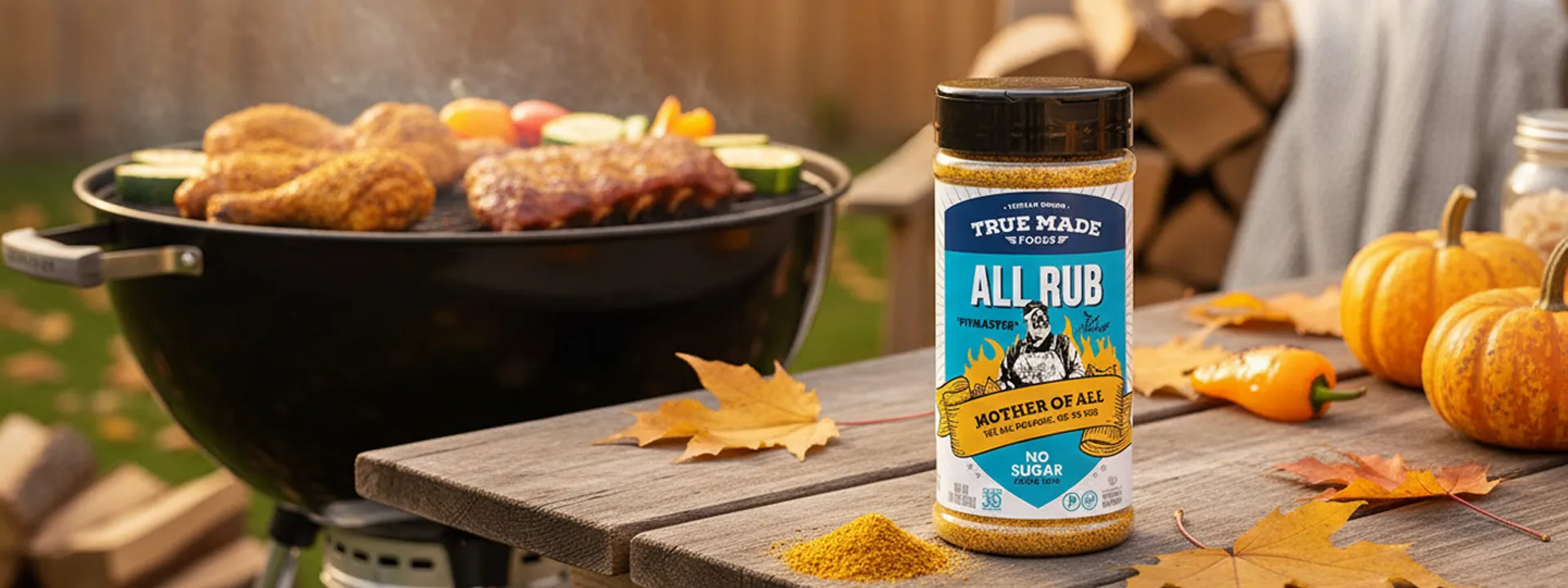
Last October, I stood on my back deck at twilight watching leaves spiral down while my neighbor packed away his grill for winter. “Season’s over,” he called out, wrestling with the cover. I looked at my own grill, still warm from the pork chops I’d just pulled off, smoke curling up into the crisp air.
I didn’t say anything back he figures it out every year around March when he smells what I’m cooking but I was thinking: this is when it gets good.
The Thing About Fall Grilling Nobody Talks About
Summer grilling is… fine. It’s hot dogs and burgers, which I love, don’t get me wrong. But there’s something different about grilling when the air has bite to it. The smoke doesn’t just disappear into humid nothing it hangs there, visible, almost thick. Your grill becomes the warmest spot in the yard. Your beer stays cold in your hand instead of turning into a lukewarm mess halfway through.
And the food? Completely different game.
You can’t do real low-and-slow in August without losing your mind. The temperature swings, the afternoon heat spikes, the way you have to babysit every damned vent. Fall weather just holds steady. I’ve done twelve-hour pork shoulders in October that I wouldn’t even attempt in July.
Why Cooler Weather Actually Helps
The temperature control thing is real. When it’s 45 degrees outside, your grill doesn’t fight you. You set it to 225°F and it… stays there. Revolutionary concept, I know, but summer grillers don’t get this luxury.
The smoke tastes different too. I’m not scientist enough to explain exactly why, but cold, dry air seems to pull cleaner flavor out of wood. Less harsh, more penetrating. You get better bark on your meat, better color. Summer humidity works against you; fall humidity (or lack of it) cooperates.
And then there’s what you actually want to eat. Nobody’s asking for a heavy, spice-crusted anything when it’s 90 degrees. But when you can see your breath and there’s a fire going? That’s when rich, warming food makes sense.
The Spice Rub Situation
I learned this one the hard way: spice rubs behave completely differently depending on how long they’re on heat.
Summer’s quick grilling burgers, steaks, hot and fast you get surface flavor and char. Which is good! But it’s not the whole picture. When you’re doing longer cooks in fall, spices have time to actually develop. Paprika caramelizes instead of burning. Garlic mellows out. Black pepper gets this almost fruity thing happening that you never taste in a five-minute burger cook.
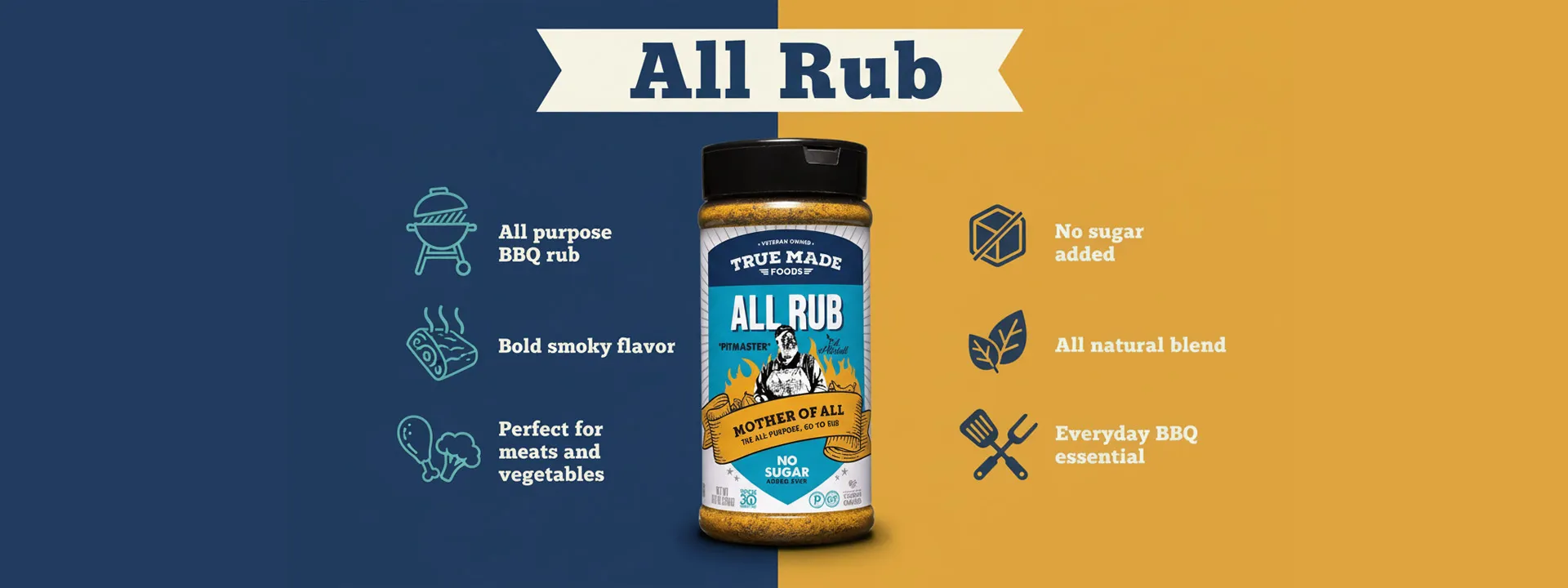
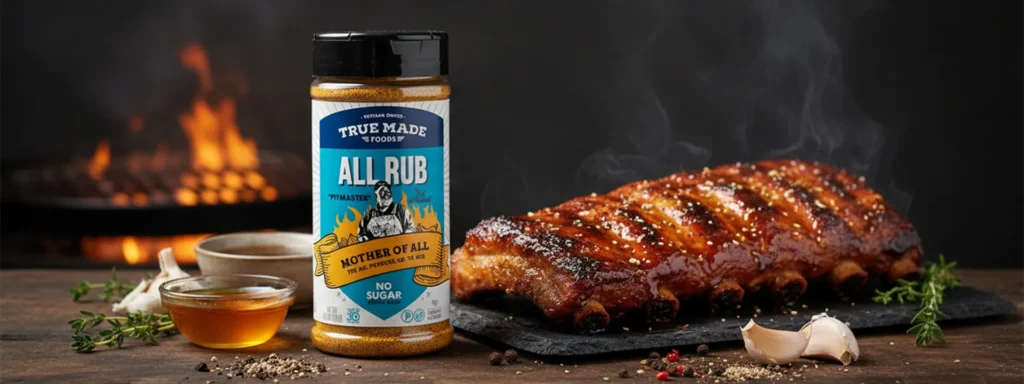
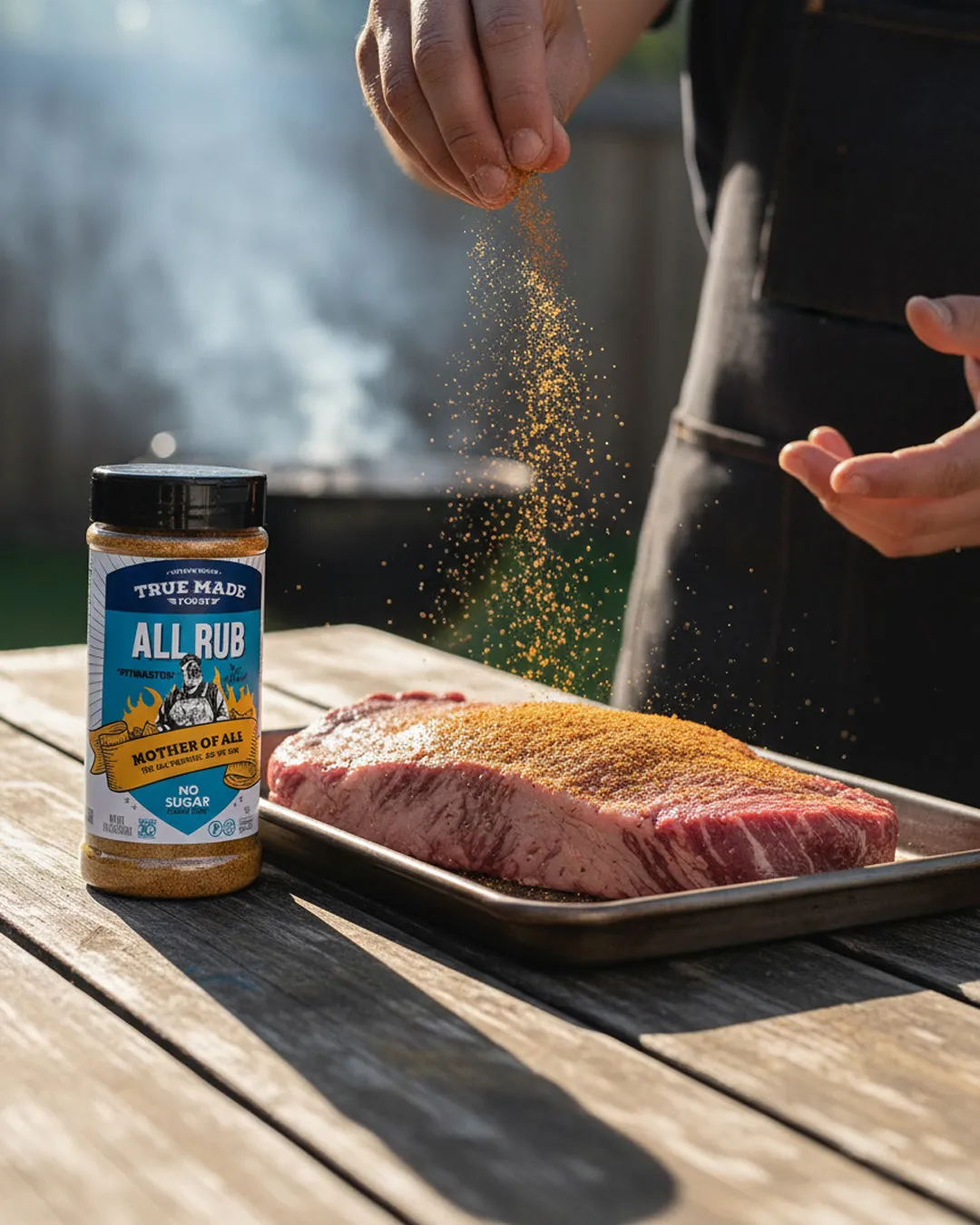
I’ve been using the Carolina All-Purpose BBQ Rub from True Made Foods for a couple years now. It’s made in Wilson, NC by Ed Mitchell—a Hall of Fame pitmaster, not some random company slapping “BBQ” on a label. The key thing about it: no added sugar. Most rubs are loaded with sugar, which is fine for quick cooks but turns bitter and burnt during long smokes. This one brings the flavor without fighting you on a six-hour cook.
The no-sugar thing matters more than I thought it would. Better bark, cleaner taste, and it doesn’t turn black and crusty in hour three.

Practical Adjustments for Cold Weather
Look, grilling at 40 degrees isn’t the same as 75. You’ll learn this immediately or you’ll waste a bunch of fuel figuring it out.
You’ll burn through more charcoal or propane. Cold air just sucks heat away constantly. My propane tank that does six summer cooks? Maybe four in November. Just plan for it.
Preheat longer. Add ten minutes, maybe fifteen. Cold grates don’t sear worth a damn.
Wind becomes your enemy. I bought a cheap folding screen from a hardware store and it’s made a ridiculous difference. Just position your grill so you’re not fighting gusts all night.
Get a probe thermometer if you don’t have one. Visual cues stop working when it’s getting dark at 5:30 and you’re trying to read smoke color in twilight. A leave-in probe solves this.
Flavor Building in Cold Weather
Summer flavors are bright—citrus, fresh herbs, vinegar-forward marinades. Fall grilling goes the opposite direction.
Warming spices: cumin, coriander, smoked paprika. These are campfire flavors, bonfire flavors. They make sense when you’re wearing a jacket and your breath is visible.
I stick with dry rubs over marinades in cold weather. Marinades can partially freeze on cold meat before it even hits the grill. Dry rubs just form better bark as moisture evaporates during cooking.
Wood choice matters more too. Hickory and oak make sense in cold air. Apple and cherry add subtle sweetness without overwhelming. Even mesquite becomes manageable because longer cook times mellow its intensity.
What to Actually Cook
Fall is for the tough, fatty cuts that need time. Pork shoulder becomes your best friend start it at dawn, let it go all day. Chicken thighs over breasts because they won’t dry out. Beef short ribs if you’re feeling ambitious and have four hours to kill.
Even fish works, though you need to move fast. Get your grill screaming hot, cook salmon quick, serve immediately before the cold steals your heat.
The real move is embracing vegetables that can take smoke and time. Butternut squash, root vegetables, even potatoes. Things with heft that’ll sit on the grill absorbing flavor while your main protein does its thing.
What I'm Making Right Now
Forget about burgers and dogs. Fall BBQ is about dishes that make people go quiet for a minute while they eat.
Smoked mac and cheese in cast iron on the grill while your main rests. The smoke gets into the cheese sauce, you get crusty edges that never happen in an oven. Top with breadcrumbs mixed with BBQ rub.
Grilled butternut squash with savory spices. Halve it, scoop seeds, rub with oil and Carolina-style seasoning, grill cut-side down until charred. The sweetness caramelizes, spices add depth, and it’s substantial enough as a main if you’re feeding vegetarians.
Reverse-seared ribeye. Use fall’s stable temps to bring a thick steak to 120°F internal, then sear hard over direct heat. The crust you get beats any summer steak.
Smoked chili. Smoke pork shoulder until it falls apart, shred it into a Dutch oven with beans and tomatoes, then let it simmer on the cool side of your grill, absorbing more smoke for another hour.

Common Questions I Get
How do you keep the grill hot when it’s actually cold out?
More fuel, longer preheat, wind protection. That’s it. There’s no magic trick. Give yourself extra time, use more charcoal than seems reasonable, and block the wind. A grill blanket helps if you’re serious about winter grilling, but honestly a windbreak handles 80% of the problem.
Do spice rubs work differently in fall?
Yeah, they develop better. The cooler temps and longer cook times let aromatic compounds bloom gradually instead of flashing off in high heat. You get deeper penetration, more nuanced crust. Sugar-free rubs especially shine here because they won’t burn during extended sessions. The Carolina BBQ Pork Rub is another solid option if you’re doing a dedicated pork cook, while something like Brisket Madness handles beef beautifully in these conditions.
What proteins work best in fall?
Fattier cuts thrive. Pork shoulder, brisket, chicken thighs, lamb shoulder—anything that benefits from slow rendering and extended smoke. Lean proteins like chicken breast can dry out more easily, so save those for spring or brine them heavily.
Is winter grilling worth it or should I wait?
If you’re asking this, you haven’t done it yet. There’s something almost primal about standing at a warm grill in freezing weather, smoke rising into cold night air. The flavor is outstanding—cold air produces cleaner smoke, stable temperatures give you better control. Some of my best BBQ has happened in February. Just dress warm, protect from wind, and embrace it.
Can I use the same techniques year-round?
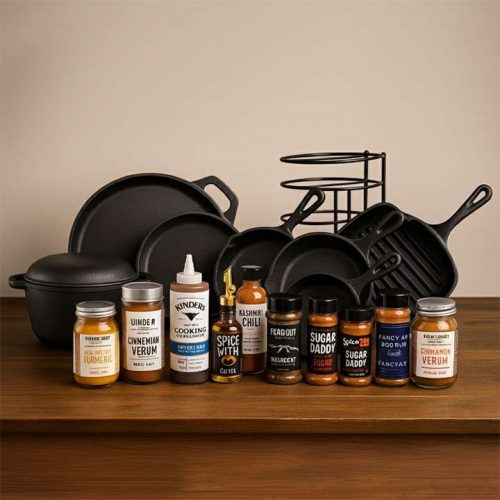
You can grill the same cuts with the same seasonings any time. What changes is how those techniques express themselves. Summer emphasizes char and brightness. Fall and winter enable low-and-slow methods that develop depth. A versatile all-purpose rub works in any season, but it’ll taste different in July versus November because the cooking style changes. That’s a feature, not a bug. For sweeter profiles in fall desserts or glazes, Sugar Daddy BBQ Rub brings a sweet-savory balance, while The Pecannery Pecan Cherry Rub adds a unique nutty-fruit dimension to pork and poultry. If you’re feeling fancy, Fancy AF BBQ Rub lives up to its name for special occasion cooks.
Keep Grilling
Pack away your lawn chairs if you want. Put away the citronella candles. But leaving your grill covered until spring? That’s just leaving good food on the table.
Fall grilling rewards patience in ways summer doesn’t. The slower pace, the deeper flavors, the way smoke hangs in cold air. This is when grilling stops being about convenience and becomes about craft.
The temperature dropped. Good. That means better control, cleaner smoke, and food that actually tastes like fall.
Your grill isn’t done for the season. Neither are you.