The first time I watched my grandmother turn a $3 bag of dried beans into dinner for eight people, I thought she was performing magic. No expensive cuts of meat. No fancy sauces. Just beans, water, vegetables from her garden, and a handful of salt she pinched from a ceramic jar on her counter.
“People think cooking on a budget means eating boring food,” she told me, stirring the pot. “They’re just using the wrong salt.”
She was right. Over fifteen years working in restaurant kitchens and teaching home cooks to stretch their grocery budgets, I’ve watched the same pattern repeat: people buy organic ingredients, follow complicated recipes, then wonder why their food tastes flat. Meanwhile, professional kitchens turn simple ingredients into memorable meals using one secret—proper salt technique.
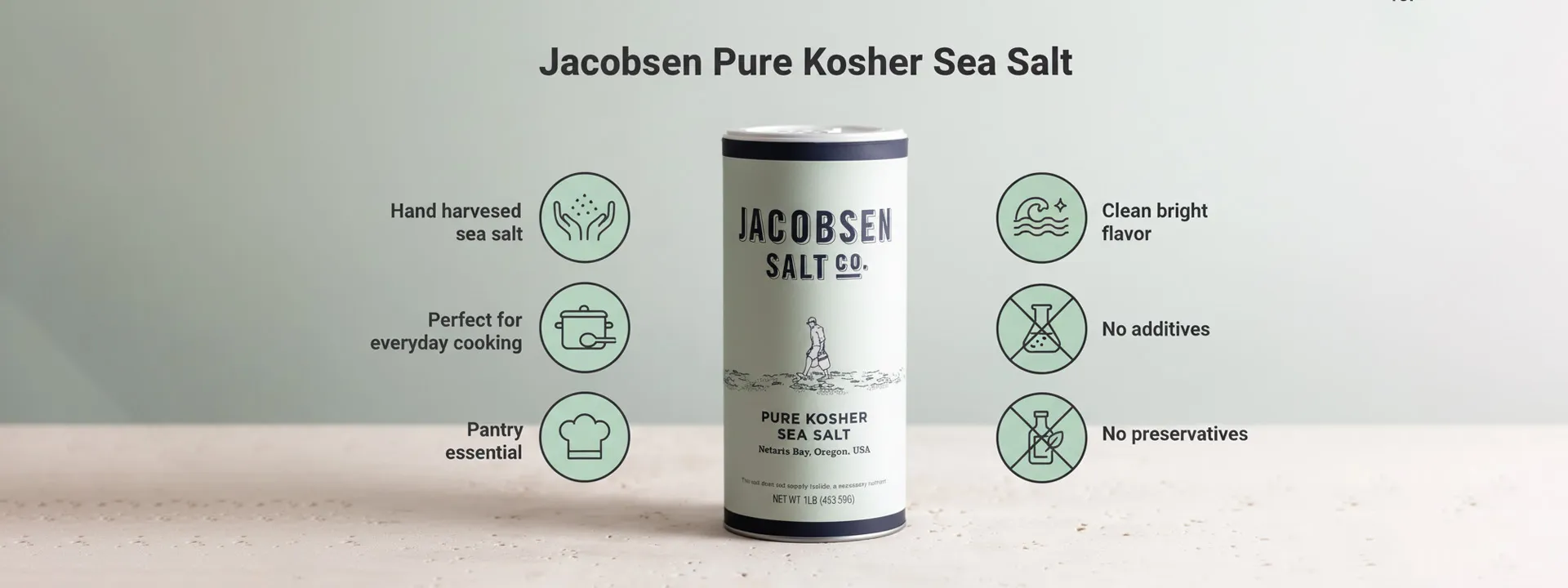
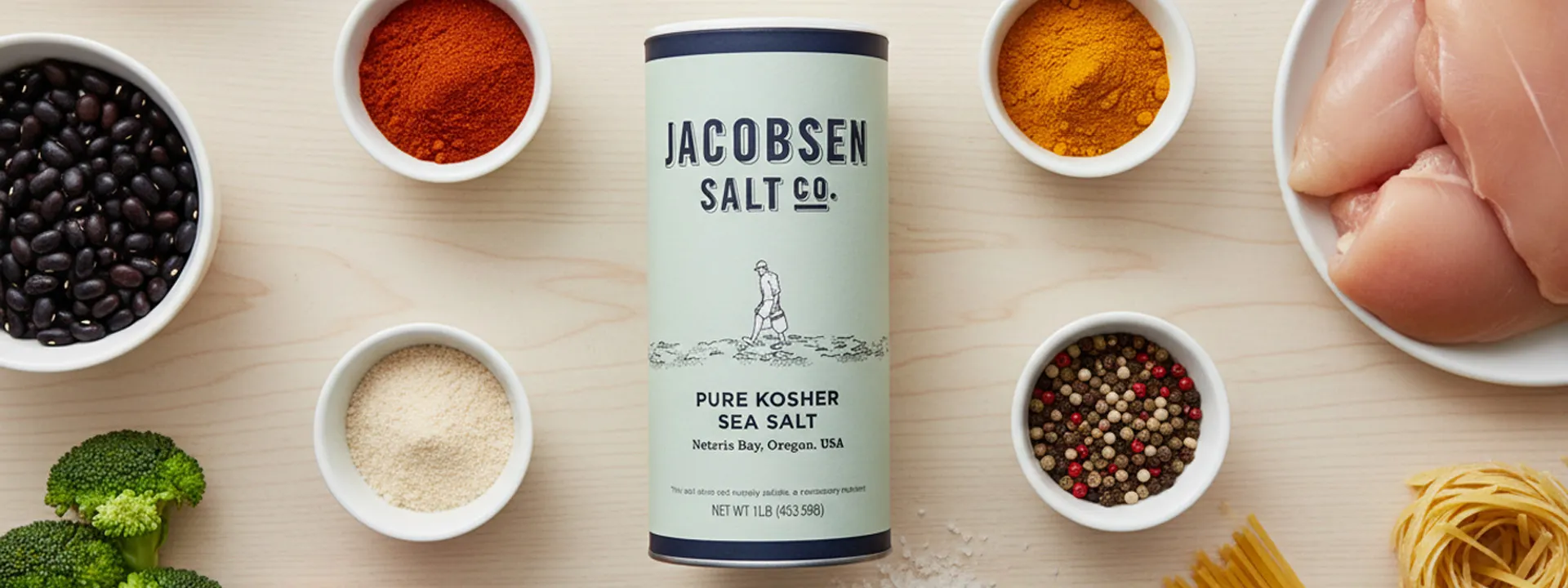
Salt isn’t just a seasoning. It’s the difference between eating to survive and cooking meals that actually satisfy. And when you choose the right one, like Jacobsen Pure Kosher Sea Salt, you unlock flavors hiding in ingredients you already own.
Why Most Budget Cooking Fails (And How Salt Fixes It)
Walk into any cooking class for beginners and you’ll hear the same complaint: “Healthy, affordable food just doesn’t taste good.”
But here’s what nobody tells you those ingredients taste fine. They’re just desperately underseasoned.
Salt does something most people don’t understand. It doesn’t make food taste “salty.” It amplifies the flavors already present in your ingredients. Think of it like turning up the volume on a song that was playing too quietly to hear properly.
When you salt a tomato, you’re not adding tomato-flavored salt. You’re making the tomato taste more intensely like itself. The same principle works with affordable proteins, dried legumes, frozen vegetables, and day-old bread. These budget-friendly cooking staples don’t need expensive additions they need proper seasoning.
The science behind this connects directly to how your taste receptors work. Salt suppresses bitter notes while enhancing sweet and savory compounds. It literally changes your perception of flavor at a molecular level, which matters when you’re trying to make a $2 chicken thigh taste as satisfying as a $12 steak.
Professional chefs understand this instinctively. They build flavor through layering, using quality seasoning essentials at multiple stages. Home cooks trying to save money often salt once usually at the end then wonder why restaurant food tastes better.
The Hidden Cost of Cheap Salt
Here’s an uncomfortable truth: that $0.89 container of table salt might be costing you more than buying quality salt.
Table salt contains anti-caking agents that leave a chemical aftertaste. To compensate, you either use more salt (increasing sodium without improving flavor) or add other expensive ingredients to mask the off-notes. Neither option saves money or supports digestive wellness.
I learned this working in a test kitchen where we compared recipes made with different salts. The same soup recipe made with standard table salt needed nearly twice as much butter and cheese to taste balanced compared to the version made with pure kosher salt. That “savings” from cheap salt evaporated quickly.
Pure options like this high-quality kosher salt for cooking cost more upfront—maybe $6-8 instead of $1. But that container lasts three to four months in an average kitchen, working out to roughly $2 monthly. Compare that to the money saved by making budget proteins taste better, reducing food waste from bland leftovers, and needing fewer expensive ingredients to compensate for poor seasoning.
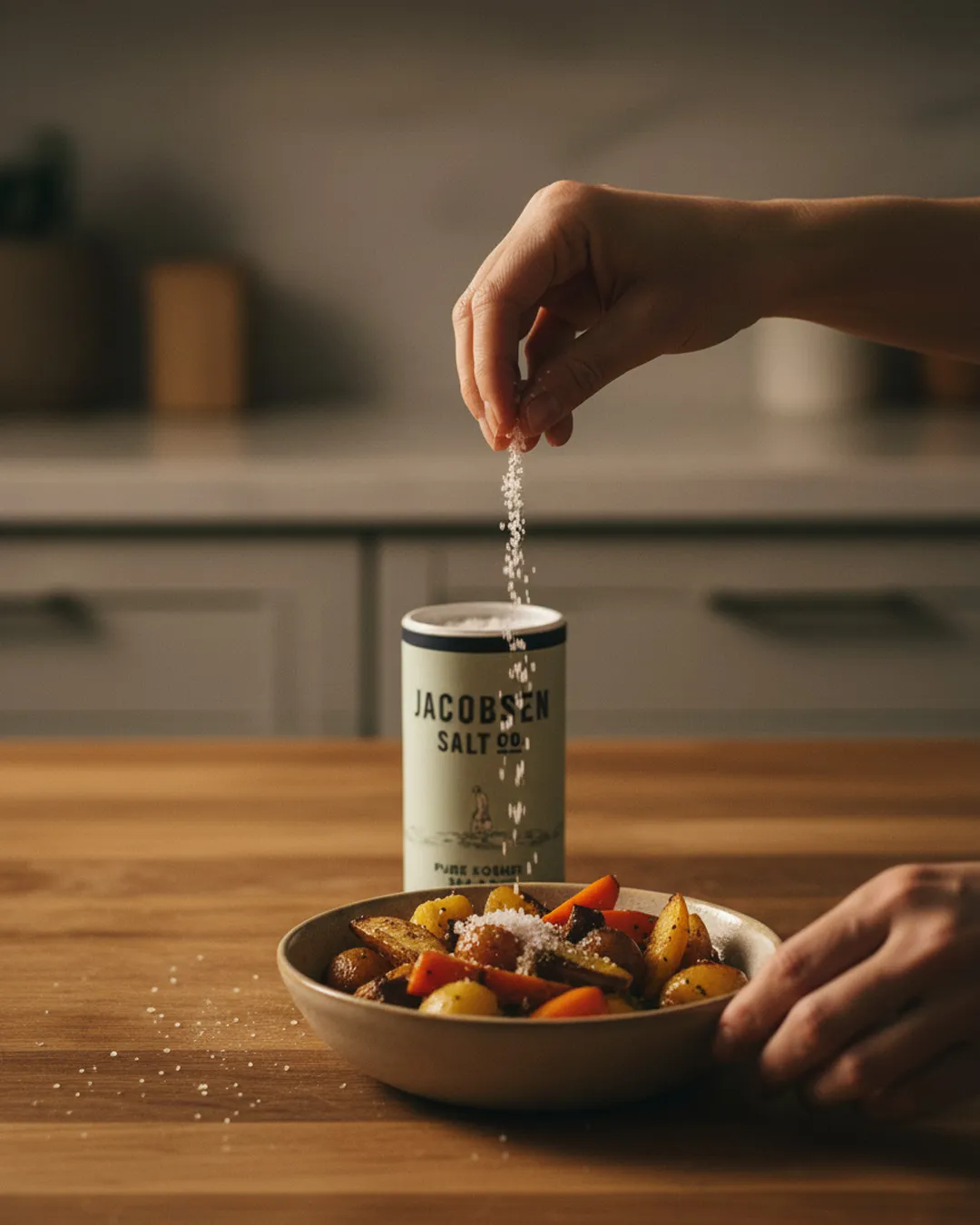
The crystal structure matters too. Kosher salt’s flaky texture means you can pinch it, feel how much you’re using, and season more accurately. This prevents over-salting (wasted food) and under-salting (bland food that doesn’t get eaten). When you’re cooking on a tight budget, accuracy matters.
Five Meal-Stretching Techniques Using Salt
Transform Cheap Cuts Into Restaurant-Quality Protein
Budget proteins chicken thighs, pork shoulder, affordable fish often taste dry or bland because they’re cooked immediately after purchase. Professional kitchens never do this.
Try dry-brining: coat your protein generously with natural gourmet salts and refrigerate uncovered for 2-24 hours. The salt penetrates muscle fibers, breaking down proteins slightly while encouraging moisture retention.
This works through osmosis and protein denaturation—the same principles nutrition science uses to understand how digestive enzymes break down food in your gut. You’re pre-treating the protein to make it more tender and flavorful without adding expensive marinades or sauces.
A $4 pack of chicken thighs, properly brined, delivers better results than a $10 organic breast cooked without proper seasoning. That’s real budget-friendly cooking making affordable ingredients taste intentional rather than apologetic.
Make Dried Beans and Grains Taste Complete
Dried legumes cost pennies per serving but often get relegated to “health food” status because people don’t know how to make them taste good. The problem isn’t the beans it’s the water they’re cooked in.
Salt your cooking liquid properly. For beans, use about 1 tablespoon of this pure sea salt option per quart of water. The salt seasons the beans from within as they hydrate and cook, delivering flavor in every bite rather than just on the surface.
Old cooking advice warned against salting beans early, claiming it would toughen them. Modern culinary use and food science research have debunked this. Salted beans actually cook more evenly because the salt helps break down pectin in the cell walls.
This technique qualifies as one of the most effective meal stretching techniques I know. A pound of properly cooked lentils with sautéed onions becomes dinner, not just a side dish requiring expensive additions. You’ve turned $1.50 of ingredients into a satisfying meal that doesn’t taste like poverty cooking.
The same principle applies to rice, quinoa, and pasta. Season the cooking water aggressively it should taste pleasantly seasoned on its own. This simple change means you need less butter, cheese, or sauce to make these staples palatable.
Stop Throwing Away Leftovers
Food waste destroys grocery budgets more than any other factor. Americans discard roughly 30% of purchased food, with leftovers representing a significant portion.
Most leftover food doesn’t spoil—it just tastes dull. Refrigeration and reheating both degrade seasoning, making yesterday’s well-seasoned dinner taste flat today.
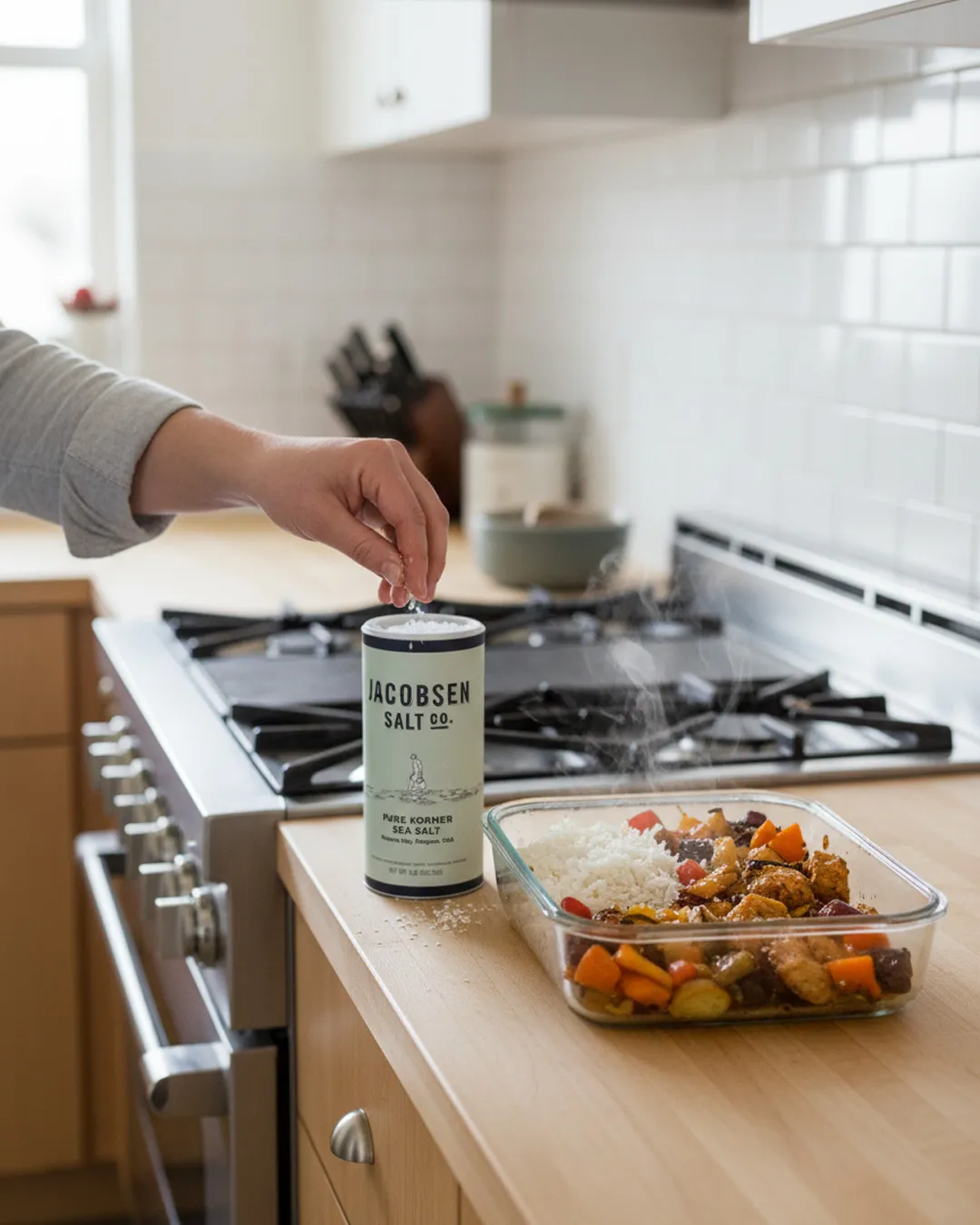
Keep affordable spice staples next to your stove and adjust seasoning when reheating. A small pinch of quality salt can revive refrigerated vegetables, grains, or proteins, transforming potential waste into another solid meal.
I track my food waste monthly and estimate this simple habit saves $25-35 by ensuring I actually eat what I cook. That’s $300-400 annually saved through better seasoning alone—probably the highest return on investment in my entire kitchen.
Balance Sharp Flavors in Budget Ingredients
Affordable ingredients often taste harsh or one-dimensional. Canned tomatoes lean acidic. Frozen vegetables can taste tinny. Budget vinegars taste sharp. Inexpensive greens like kale or collards can be bitter.
Salt balances all these issues. It doesn’t just mask problems—it actually changes how your taste receptors perceive acidity, bitterness, and sharpness.
When making sauce from $1 canned tomatoes, proper salting makes them taste as smooth as $5 imported varieties. You’re not hiding the quality difference you’re optimizing what’s already there. This represents organic ingredients working synergistically, where one element (salt) makes other elements function better.
For bitter greens, salt them while cooking in the pan. The bitterness doesn’t disappear, but it balances into pleasant complexity rather than overwhelming harshness. You’ve transformed a vegetable people avoid into one they actually want to eat.
Create Flavor Without Additional Ingredients
Restaurant cooking uses a technique home cooks rarely employ: layering salt at different stages. Each application does something different.
Salt raw ingredients before cooking it penetrates and seasons deeply. Salt again mid-cooking to help develop fond, those caramelized bits that become your sauce base. Finish with a tiny pinch just before serving to add brightness and textural contrast.
This approach means simple ingredients deliver complex flavor without requiring expensive additions. A potato, properly seasoned in layers, becomes satisfying enough to be the meal’s centerpiece rather than just a vehicle for expensive proteins or cheese.
The technique mirrors how your gut microbiome processes different nutrients at different stages of digestion. Just as prebiotics prepare your intestinal environment for probiotics to work effectively, early salt prepares your ingredients to develop maximum flavor as they cook.
The Digestive Connection Nobody Discusses
Most cooking blogs ignore this, but proper salt intake plays important roles in digestive wellness that matter when you’re eating budget-conscious meals heavy in fiber and plant proteins.
Salt stimulates hydrochloric acid production in your stomach—the acid needed to break down proteins and activate digestive enzymes. When you’re eating more beans, lentils, and whole grains to save money, this becomes especially relevant. These foods require robust digestion to release their nutrients effectively.
Moderate salt also helps maintain the mineral balance your flora balance needs to function. While probiotics get marketing attention, your existing beneficial bacteria require proper sodium and chloride levels to thrive in your gut environment.
This isn’t suggesting excessive salt intake benefits health. Rather, it’s recognizing that adequate salt from pure sources like chef-trusted salt you can buy online serves biological functions beyond taste.
Additionally, properly seasoned food encourages thorough chewing. When food tastes good, you naturally slow down and chew more completely. This mechanical breakdown starts digestion before food even reaches your stomach, reducing the digestive burden on your system.
Inflammation in the digestive tract can result from many factors, including hard-to-digest, poorly prepared food. When ingredients are properly seasoned and taste good, you’re more likely to eat slowly and mindfully, both of which support comfortable digestion.
Choosing Salt That Supports Your Cooking Goals
Not all salt functions identically in recipes or your body. Understanding the differences helps you cook smarter.
Table salt: Finely ground with anti-caking agents and often iodine. Difficult to control (easy to over-salt), leaves chemical aftertaste, contains additives some people prefer to avoid.
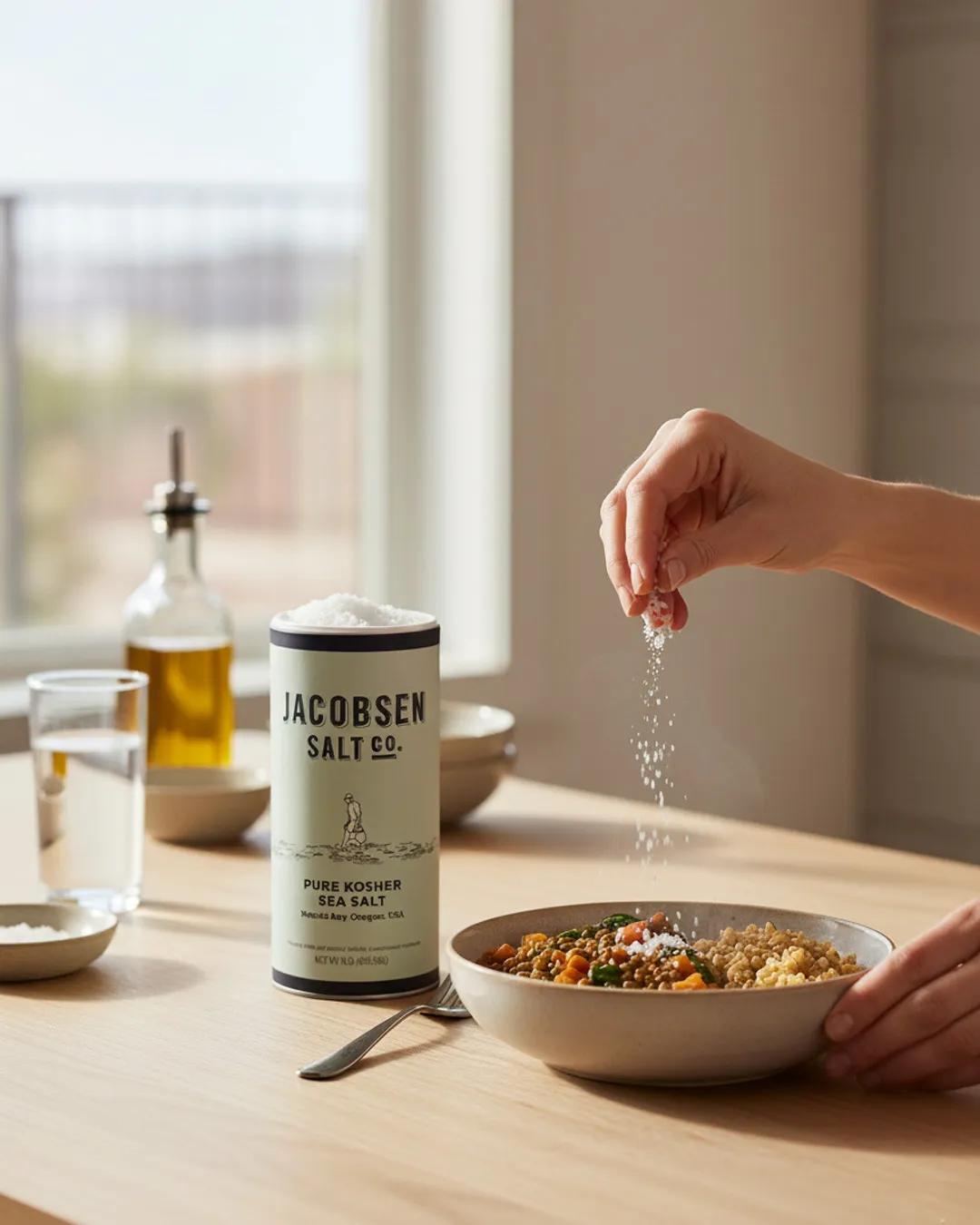
Kosher salt: Large flaky crystals, no additives, easy to pinch and control. Dissolves evenly, delivers clean flavor, professional standard. This is what this clean-tasting organic-style salt provides—pure mineral flavor without interference.
Sea salt (finishing): Harvested from evaporated seawater, retains trace minerals like magnesium, potassium, and calcium. Used at the end of cooking for textural contrast. More expensive, used sparingly.
For everyday budget cooking, kosher salt delivers the best results. It seasons accurately, tastes clean, and costs significantly less than finishing salts while providing professional-quality results.
The trace minerals in pure sea salts support what nutrition science calls “nutrient synergy”—where multiple elements work together more effectively than in isolation. While present in modest amounts, these minerals contribute to metabolic functions your body performs constantly.
Practical Applications That Actually Save Money
Here’s how I use salt to stretch every dollar in my kitchen:
Soups and stews: Salt your aromatics (onions, garlic, celery) as they cook, not just the liquid. They’ll release more flavor compounds, meaning you need less expensive stock or bouillon. A $3 box of stock stretches to make three pots of soup instead of one.
Pasta: Water should taste like the ocean—roughly 2 tablespoons per gallon. Properly salted pasta needs minimal sauce. That $8 jar of marinara serves eight people instead of four because the pasta itself tastes good.
Roasted vegetables: Salt before roasting, not after. Salt draws out moisture, leading to better caramelization and more concentrated flavor from cheap seasonal produce. Those $2 worth of root vegetables become satisfying enough to be dinner.
Batch cooking: Season generously when preparing large batches. Refrigeration dulls flavor, so slightly over-season initially. This ensures reheated portions still taste good three days later, preventing food waste.
Eggs: Add a pinch while whisking, not after cooking. You’ll notice dramatic improvement in flavor, making eggs-for-dinner feel like an actual meal rather than something you’re suffering through to save money.
These aren’t complicated techniques. They’re simple adjustments that make natural remedies to the bland food problem budget cooking often faces.
Frequently Asked Questions
How do I know if I’m using the right amount of salt in budget recipes?
Start with about ½ teaspoon per pound of vegetables or protein, then taste and adjust. Your food should taste seasoned but not “salty.” If you can specifically taste salt rather than enhanced flavor, you’ve added too much. Season in stages raw ingredients get salt first, then adjust during cooking, and add a tiny finishing pinch if needed. This layered approach uses less total salt while delivering better flavor than dumping it all in at once. Keep quality everyday cooking salts accessible so adjusting seasoning becomes instinctive rather than a chore.
Is kosher salt really worth the extra cost when cooking on a budget?
A container of quality kosher salt costs $6-8 and lasts 3-4 months in a typical kitchen cooking most meals at home. That’s roughly $2 monthly. Compare that to the money saved: making budget proteins taste better so you buy less expensive cuts, reducing food waste because leftovers actually taste good, and needing less cheese, butter, or sauce to compensate for bland food. The investment pays for itself several times over. Plus, you’ll use less salt overall because you can control kosher salt more accurately than fine table salt.
Can proper salting really help with digestion and gut health?
Salt serves several digestive functions beyond flavor. It helps produce stomach acid needed to break down proteins and activate digestive enzymes, which matters when eating fiber-rich plant proteins. It maintains mineral balance that supports gut microbiome function, though it’s not a probiotic itself. Salt also helps with nutrient absorption across intestinal walls. That said, salt isn’t a cure for digestive problems it’s one component of digestive wellness alongside adequate fiber, hydration, and balanced nutrition. If you have specific gut health concerns, work with a healthcare provider. Moderate use of pure salt from trusted sources supports normal digestive function.
What’s the difference between cooking salt and finishing salt, and do I need both?
Cooking salt (like kosher salt) has larger crystals used during cooking to season ingredients as they cook. It dissolves completely, distributing flavor evenly. Finishing salt has delicate flaky crystals added just before serving to provide textural contrast and little bursts of flavor. For budget cooking, you need one good cooking salt that handles 95% of your seasoning needs. Finishing salt is nice for special occasions but not essential. Start with quality kosher salt, then consider finishing salt later if you want to elevate specific dishes.
How do I season beans and legumes properly without making them too salty?
Salt your cooking water generously about 1 tablespoon per quart of water for beans. This sounds like a lot but most stays in the cooking liquid rather than in the beans themselves. Contrary to old advice, salting beans during cooking doesn’t toughen them; it actually helps
them cook more evenly while seasoning from within. If you’re worried, start with ½ tablespoon per quart and taste a bean after cooking you can always add more salt but can’t remove it. Properly salted beans should taste seasoned on their own, not bland food requiring heavy additions to be palatable.
Start Seasoning Smarter Today
The most impactful change you can make to your budget cooking isn’t buying new equipment, following complicated recipes, or shopping at expensive stores. It’s learning to season properly with quality ingredients that make everything else in your kitchen taste better.
Salt transforms affordable staples dried beans, budget proteins, seasonal vegetables, day-old bread from “cheap food” into meals worth eating. It stretches your grocery dollars further than any coupon app while making your cooking taste intentional rather than apologetic.
When you choose premium salt and pepper collection options like Jacobsen Pure Kosher Sea Salt, you’re investing in every single meal you’ll cook for months. That $6 container might deliver better financial returns than any other ingredient in your pantry.
Start with one simple change: tomorrow, salt your cooking water properly. Whether it’s pasta, rice, or beans, season that water until it tastes pleasantly salted on its own. Notice how the finished dish suddenly tastes like it could be the meal rather than just a base requiring expensive additions.
That simple shift treating salt as a tool rather than an afterthought might be the difference between dreading budget cooking and actually enjoying the food you make.
Your ingredients are already good enough. They’re just waiting for the right salt to prove it.