
Your cart is empty
You may check out all the available products and buy some in the shop
Return to shop
Even a small pinch of cooking spices can transform a simple dish into an unforgettable culinary experience. Whole and ground are the essential cooking spices that possess this unique power: they enrich every recipe with their aromas and fragrances.
A spicy curry that fills the kitchen with warmth, an aromatic mulled wine that provides comfort in winter, or a cardamom pastry that evokes memories of distant travels every grain and every powder tells its own story with these everyday kitchen spices.
But behind this aromatic diversity lies a central question: Should one choose whole spices, valued for their naturalness and shelf life, or those that impress with their immediate intensity and ease of use?
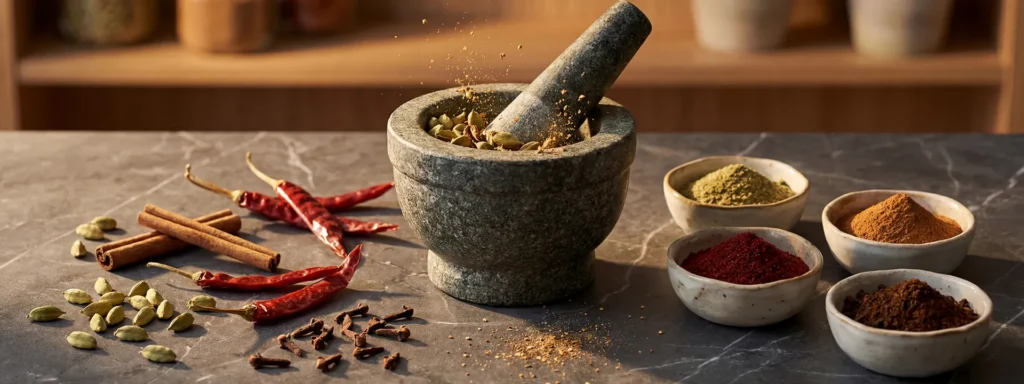
A whole spice is used in its natural form, often just dried. It retains its original appearance and preserves the essential oils inside, guaranteeing an intense aroma. Whole spices, when unground, usually only give off a subtle fragrance, but when ground, they unleash their full potency. A small list of common cooking spices can be:
Cardamom, the small, beige pods contain dark seeds that are literally the must-have spices for home cooking. They can be used whole in rice, curry, or tea. Freshly ground, however, they release a strong aroma that is perfect for homemade baked goods. If you need pantry staples, explore Torobon’s selection of spices, seasonings & rubs for high-quality options.
Another example is the cassia cinnamon stick: its thick, irregular bark is too hard to be used as a stick. But ground into powder, it adds a sweet, warm spice to desserts or hot drinks. Many home cooks like to keep both forms on hand, and you can find them in the same spices, seasonings & rubs section.
Long red peppercorns also demonstrate this difference: Whole, these cooking spices are ideal for a slow infusion. Ground, however, they immediately release their sweet and warming spiciness, perfect for mulled wine or spiced cakes.
If you want to explore high-quality blends in addition to single spices, check out Torobon’s flavorful BBQ rubs and seasonings, which combine whole and ground spices for bold flavor in everyday cooking.
Ground spices are produced by grinding whole spices. This processing makes them immediately ready to use. Just a small pinch of these cooking spices is enough to season a sauce, marinade, or cake batter. Even desserts can be intensely flavored with just a little powder, especially when you use well-balanced blends from Torobon’s spice range.
The disadvantage: Once cooking spices are ground, their essential oils evaporate quickly. Therefore, their shelf life is shorter than that of whole spices, and many spices in conventional stores have already lost flavor by the time of purchase.
Nevertheless, ground spices are those basic cooking spices for beginners that are ideal for quick cooking, for spontaneous last-minute seasonings, and for desserts where immediate intensity is required.
Whole spices offer more aroma and a longer shelf life. Ground spices, on the other hand, are quicker to use. However, their aroma and intensity diminish over time. The simplest solution is therefore to buy whole spices and grind them only when needed.
This method better protects the aroma and the oils contained within. The shelf life of the cooking spices is also extended. Furthermore, whole spices can release their flavor more effectively in dishes that require long cooking times, such as soups or cooked meat. To stock up for slow-cooked dishes, browse Torobon’s spices, seasonings & rubs and pick whole versions of your favorites.
Buying whole spices has several advantages. Firstly, the aroma of whole spices is much more intense. Secondly, they also have a much longer shelf life, making it one of the must-have spices for home cooking
Grinding whole spices just before use results in an intense, fresh flavor. The short time required for grinding is definitely worth the improved taste, especially when you’re working with high-quality products from Torobon’s spice collection. Their flavor is usually best in the first couple of years, especially if you open the jar often.
Ground spices have the advantage of being ready to use immediately, making them essential cooking spices. Here’s a summary of their other advantages:
The only disadvantage of pre-ground spices is their shorter shelf life. Furthermore, the aromas diminish very quickly, meaning you have to use more cooking spices. To avoid waste, buy smaller packs and restock from trusted sources like Torobon’s spices, seasonings & rubs.
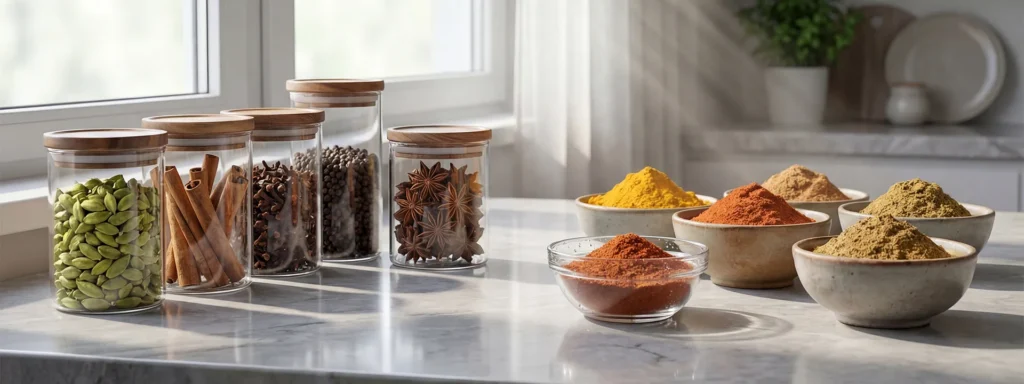
The essential oils in cooking spices are volatile. When ground, they come into direct contact with air and evaporate more quickly. Whole spices remain protected by their natural coating and retain their freshness longer.
For home cooks building a pantry with longevity in mind, it helps to select a mix of whole and ground spices from Torobon’s curated spice selection.
In savory dishes, it is recommended to roast these essential cooking spices before use. Roasting releases the oils in the spices, resulting in a more intense and complex aroma.
If you want a deeper scientific explanation of how grinding and heat affect essential oils and flavor compounds, you can consult a reliable food science guide such as Serious Eats – Spices & Herbs.
Q: Are whole spices always better than ground spices?
A: Not always. Whole spices stay fresh longer and give a stronger aroma when freshly ground, but ground spices are faster and more convenient for everyday cooking. The best choice depends on how often you cook and how much time you have.
Q: How can I tell if my ground spices have lost their flavor?
A: Smell and color are the best clues. If a spice looks dull and barely smells when you rub a little between your fingers, it has likely lost much of its aroma and should be replaced.
Q: Do I need special equipment to grind whole spices?
A: No. A small electric spice grinder, a coffee grinder you keep only for spices, or a simple mortar and pestle is enough to grind most whole spices at home.
Q: Should I store spices in the fridge or freezer?
A: Most spices are best stored in airtight containers in a cool, dark cupboard. The fridge or freezer can introduce moisture when jars are opened and closed, which may cause clumping or mold.
Q: Which spices are worth buying whole first?
A: Peppercorns, cumin seeds, coriander seeds, cardamom pods, cloves, and cinnamon sticks are great starting points. They keep well and show a clear difference in flavor when freshly ground.
Buy whole spices if you don’t use them daily in the kitchen. For example, nutmeg, cumin, anise, or cardamom. Handy pepper mills are already available, making it quick and easy to use whole peppercorns.
Ground spices should only be bought in small quantities. This way, they don’t lose their aroma. Ideally, however, you should keep both ground and fresh spices on hand. This makes it easier to cover different cooking techniques, especially when you’re sourcing from a versatile range like Torobon’s spices, seasonings & rubs.
If you cook only occasionally, ground spices are usually the easiest place to start. They are quick to measure, easy to mix into sauces or batters, and perfect for weeknight meals when you do not want extra prep time. Keep small jars of your most used basics, such as chili powder, cumin, coriander, and cinnamon, and replace them regularly so they stay fresh.
If you cook often or love experimenting with flavor, investing in a small collection of whole spices will give you much more control. Whole cumin seeds, coriander seeds, cardamom pods, peppercorns, and cinnamon sticks can be toasted and freshly ground to unlock deeper, more complex aromas. A simple spice grinder or mortar and pestle is usually enough to handle most of your whole spices at home.
For most home cooks, the ideal solution is a mix of both. Use ground spices for convenience in everyday dishes, and keep a handful of whole spices on hand for slow‑cooked recipes, special dinners, and occasions when you really want that freshly ground, restaurant‑quality flavor.
You can build this mixed pantry slowly by choosing both whole and ground versions of your favorite spices from Torobon’s spices, seasonings & rubs range.




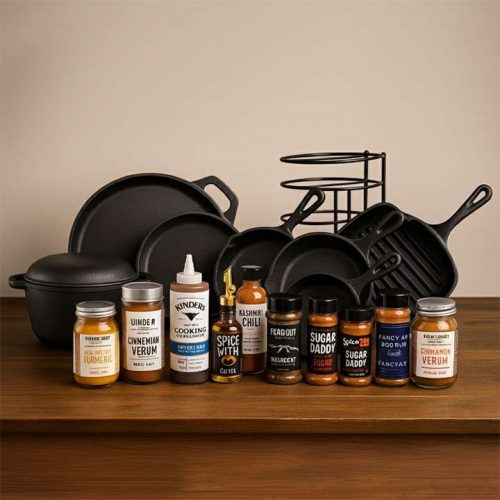
Be the first to experience our new range of handcrafted spices, sauces and premium kitchenware.
We use Cookies to operate our website, carry out actions you request, and personalize and enhance your experience on our website. Proceeding means you agree to our Privacy Policy and Terms and Conditions or click Manage Preferences to manage your privacy choices.
Cookie Preference Center
We and our third-party providers use Cookies on our website to collect information about your visit to the website and third-party platforms. Read our Privacy Policy and Terms and Conditions to learn more.
Below you can find out more information about each Cookie category.
You may turn off Advertising Cookies by toggling the button off and clicking "Save Changes".
Turning off Advertising Cookies operates as an opt-out of “sales” and disclosure or use of personal information with third parties for targeted advertising.
Your selected Cookie preference is specific to the device, website, and browser you are using. You will need to make a new Cookie preference selection whenever you clear your browser's cache or use a different browser or device.
Essential cookies enable basic functions and are necessary for the proper function of the website.
Functional Cookies are cookies that allow websites to remember choices you make to give you better functionality and personal features.
Service URL: torobon.com (opens in a new window)
Performance Cookies collect information about the performance of our website and how our website is used. These Cookies ensure a smooth operating experience for the website user.
Service URL: torobon.com (opens in a new window)
These cookies are necessary for the website to function and cannot be switched off in our systems. You can set your browser to block or alert you about these Cookies, but some parts of the website will not work without them.
Marketing cookies are used to follow visitors to websites. The intention is to show ads that are relevant and engaging to the individual user.
Advertising Cookies collect information about your online activities on this website for the purpose of delivering relevant advertisements across our websites and/or online services. If you do not allow these Cookies, you will continue to see ads placed through other criteria but the advertising you experience will be less targeted and may be less relevant to you.
Service URL: torobon.com (opens in a new window)
You may check out all the available products and buy some in the shop
Return to shop