Fall BBQ recipes aren’t just about adapting to cooler weather they’re about taking advantage of it. Most pitmasters pack up their smokers in October. That’s exactly when the real magic starts.
Last October, my brother showed up with his offset smoker at 48 degrees. Gray morning, wind picking up, patio furniture already stored. He fired it up anyway. By sunset, we were cutting into brisket with bark so dark it looked burned but underneath, the meat pulled apart with a fork. The smoke hadn’t just coated the surface. It had penetrated every fiber.
Five summers of smoking taught me technique. One October afternoon showed me physics.
Why Fall BBQ Recipes Outperform Summer Grilling
Temperature stability is everything. At 90°F ambient trying to hold 225°F in your smoker, you’re managing a 135-degree difference. Every wind gust shifts your equilibrium. Your thermometer swings 10-15 degrees. You’re constantly adjusting vents.
Drop that ambient temp to 55°F in fall? Now you’re managing a 170-degree difference. Your smoker finds its zone and stays there. I’ve gone two hours without touching a vent. Over a 12-hour brisket cook, that stability compounds.
Smoke behaves differently in cool, still air. Lower humidity means seasoning penetrates the meat surface instead of pooling. The smoke ring develops darker and more defined. According to USDA guidelines on meat safety temperatures, proper smoking at consistent temperatures creates ideal conditions for both flavor development and food safety.
I tested this: same brisket recipe, same rub, same wood. July versus September. September won deeper smoke flavor, better bark, more consistent results.
You can actually tend the meat. Standing next to a 250°F smoker at 55 degrees? Comfortable. At 95 degrees? You’re counting minutes until you can escape inside. When you’re comfortable, you pay attention. You get better.
The Carolina Rub Approach: Why Balance Matters
Most BBQ rubs follow the same pattern: heavy salt, heavy pepper, aggressive cayenne heat. That works when summer heat does half the flavor work.
Fall smoking needs balance.
Heavy, aggressive rubs taste one-dimensional on meat smoked in cooler weather. After 12 hours of smoking, you bite into brisket and taste only the rub the smoke gets buried.
A well-balanced approach uses:
- Brown sugar that caramelizes during long cooks, creating bark depth
- Smoked Spanish paprika that adds color and subtle complexity without heat
- Fresh-ground black peppercorns that give sharp bite without overwhelming
- Garlic and onion powder that round out the profile without dominating
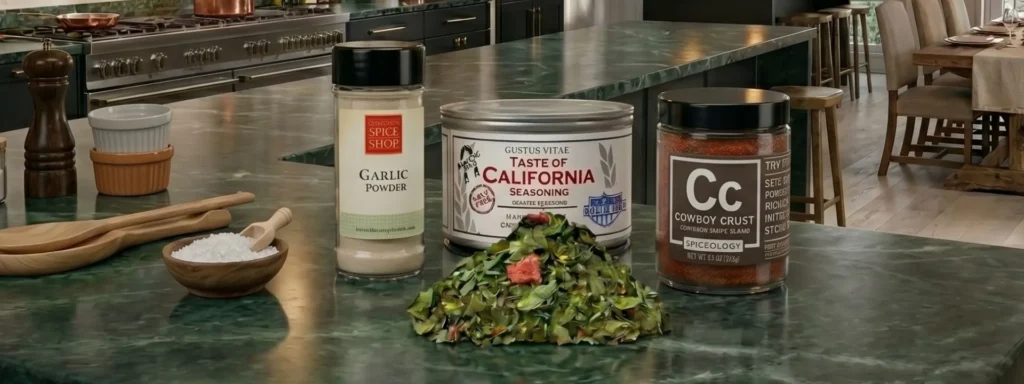
The balance matters because cooler, longer cooking gives these flavors time to layer instead of burning off in the first two hours. Browse our complete collection of premium BBQ rubs and all-purpose seasonings to find the perfect blend for your fall smoking.
In August, you can use a heavier hand the heat burns off excess. October through December, the rub and smoke need to work together, not compete.
6 Fall BBQ Recipes That Work in Cooler Weather
Time: 12-14 hours | Serves: 12-14 | Difficulty: Intermediate
Brisket in fall smoke tastes fundamentally different from summer. The cooler air lets the rub form proper bark while the meat stays juicy. You’re not racing against heat drift.
What You’ll Need
Ingredients:
- 1 packer brisket (12-14 lbs), fat cap intact
- ½ cup BBQ rub
- ¼ cup freshly ground black peppercorns
- 2 tbsp kosher salt
- Beef tallow or butter for basting
- Apple juice for spritzing
Equipment:
- Offset smoker or pellet grill
- Dual-probe digital thermometer
- Butcher paper
- Spray bottle
Instructions
Trim and prep (30 minutes before smoking): Remove silver skin from the fat cap, leaving about ¼ inch of white fat. This protects the meat and renders into flavor during cooking.
The rub: Mix your BBQ rub, black pepper, and salt. Apply generously to all sides, pressing into cracks and crevices. The rub should look crusty on the surface. Let sit at room temperature for 45 minutes. For best results, use quality peppercorns and specialty salt ground fresh.
Into the smoke: Set your smoker to 225°F using oak wood. Oak delivers clean smoke flavor without overpowering hickory would be too aggressive. Place brisket fat-side up.
The spritz (every hour after the first two): Mix equal parts apple juice and water in a spray bottle. After two hours of uninterrupted smoke, start spritzing lightly every hour. This keeps the surface moist and helps develop better bark. After about 6 hours, check internal temperature at the thickest point aim for 165°F.
The wrap: When brisket hits 165°F internal, wrap tightly in butcher paper (not foil foil steams the bark). Inside the wrap, add a thin layer of beef tallow or butter on the exposed meat side.
The final push: Return to smoker at the same temperature. Check every 90 minutes by probing the meat. When the probe slides through with almost no resistance like pushing a knife through warm butter you’re done. For a 12-14 lb brisket, expect this around 203°F internal, roughly 8-10 hours total smoking time.
The rest: Remove the wrapped brisket and place in an insulated cooler with towels. Rest for 2 hours minimum. During this time, fibers relax and reabsorb juices. Slicing immediately means those juices run onto the cutting board wasted.
Slicing: Use a sharp slicing knife and slice against the grain. The meat should look pink near the bark, fading to gray toward the center. That color gradient is your smoke ring pure flavor between bark and meat.
Cost: A 12-14 lb packer brisket runs $40-50 depending on market. Feeds 12-14 people.
Recipe 2: Carolina-Style Pulled Pork (The Forgiving One)
Time: 10-12 hours | Serves: 10-12 | Difficulty: Easy
If brisket intimidates, start with pulled pork. It’s forgiving, teaches fundamentals, and tastes incredible even with minor mistakes. This is one of the best fall BBQ recipes for learning temperature control without the pressure.
My First Attempt
My first pulled pork came out dry. I’d been spritzing constantly based on summer advice, but fall’s moist air didn’t need that help. The second time, I cut back on spritzing and added the vinegar mop earlier. Much better.
Fall pork needs less intervention than summer pork.
What You’ll Need
Ingredients:
- 1 pork shoulder (8-10 lbs), skin on
- ⅓ cup all-purpose BBQ seasoning
- Yellow mustard (as binder)
- 2 cups apple cider vinegar
- ½ cup water
- 3 tbsp brown sugar
- Fresh black peppercorns for finishing
Equipment:
- Smoker
- Meat thermometer
- Spray bottle
- Two large forks for pulling
Instructions
The binder method: Rub the entire pork shoulder with yellow mustard. The mustard doesn’t add flavor—it creates a sticky surface the rub adheres to. This is competition pitmaster technique.
Apply the rub: Once mustard-coated, apply BBQ seasoning generously. Get it into every crevice, under skin flaps, everywhere. Refrigerate uncovered overnight. The uncovered fridge dries the rub slightly, helping it stick better during smoking.
Smoke setup: Set smoker to 250°F using cherry wood. Cherry is milder than oak, perfect for pork. The sweet wood complements the brown sugar in quality BBQ rubs.
Into the pit: Place pork shoulder fat-side up. Unlike brisket, you won’t need much spritzing. The pork’s natural fat keeps everything moist.
The mop sauce: Mix apple cider vinegar, water, and brown sugar. After the first 4 hours of smoke, start spraying this mixture on the pork every 2 hours. The vinegar cuts richness; the brown sugar adds caramelization to the exterior.
The pull point: After 8-10 hours of smoking, probe the pork shoulder. You want 203°F internal temperature at the thickest point. When close, insert the probe it should feel creamy. That signals the collagen has broken down into gelatin.
Pulling the pork: Remove shoulder and rest 30 minutes unwrapped. Using two large forks, pull the meat apart. It should separate easily if resistant, it needs more time. Once fully pulled, mix with remaining mop sauce.
Serving: Serve on soft rolls or cornbread. The pulled pork should look moist and shredded, with visible bits of bark mixed throughout.
Cost: A pork shoulder runs $20-30. Makes enough to feed a party at under $2.50 per serving.
Recipe 3: Fall-Off-The-Bone Ribs
Time: 6 hours | Serves: 4-6 | Difficulty: Beginner
Ribs teach smoke management fundamentals in a compressed timeframe. Unlike brisket’s 12-hour commitment, ribs force you to pay attention quickly. These fall BBQ recipes work perfectly for weekend cooks who want results without the overnight commitment.
What You’ll Need
Ingredients:
- 2 racks St. Louis-cut ribs
- ⅓ cup BBQ rub
- Yellow mustard
- ¼ cup brown sugar
- 2 tbsp butter
- Apple juice
- Raw honey for finishing
Equipment:
- Smoker
- Instant-read thermometer
- Butcher paper
- Basting brush
Instructions
Membrane removal: Flip ribs over and find the thin white/clear membrane on the bone side. Slide a butter knife under it and peel off completely. This membrane blocks smoke and flavor penetration.
The rub: Apply yellow mustard as binder, then coat generously with BBQ rub. Make sure rub gets into spaces between bones.
Initial smoke (3 hours): Set smoker to 225°F with oak wood. Place ribs bone-side down. Check every 90 minutes. After 3 hours, the surface should look dark but not black—more like deep mahogany.
The wrap (2 hours): Remove ribs and wrap in butcher paper with 2 tbsp butter, ¼ cup brown sugar, and ¼ cup apple juice inside the wrap. This creates a steaming effect that tenderizes meat while keeping smoke flavor intact. Return to smoker for 2 hours.
Final smoke (1 hour uncovered): Unwrap the ribs. Brush lightly with raw honey and return unwrapped to smoker for final hour. The honey caramelizes on the surface, creating glossy bark.
The bend test: Grab a rib at the end with tongs and lift gently. If it bends and the meat tears but doesn’t separate completely, you’re done. If it doesn’t bend, give it another 15 minutes.
Serving: Let ribs rest 10 minutes, then cut between bones. Meat should pull cleanly from bone with minimal resistance.
Recipe 4: Smoked Chicken Thighs with Crispy Skin
Time: 2.5 hours | Serves: 4-6 | Difficulty: Beginner
Chicken is where beginners succeed. It’s harder to mess up than beef, more forgiving than pork, and teaches how temperature and wood smoke interact. I recommend starting here if you’re new to fall BBQ recipes.
What You’ll Need
Ingredients:
- 6 chicken thighs (bone-in, skin-on)
- ¼ cup all-purpose seasoning
- 2 tbsp olive oil
- 1 lemon, halved
- Fresh rosemary sprigs
- Salt and pepper to taste
Equipment:
- Smoker
- Meat thermometer
Instructions
Prep: Pat chicken thighs completely dry with paper towels. Excess moisture prevents skin from crisping. Rub with olive oil, then apply all-purpose seasoning under and over the skin. Tuck half a lemon and fresh rosemary under the skin of each thigh.
Temperature setup: Set smoker to 275°F using apple wood. Apple wood is milder than oak it pairs beautifully with chicken without overpowering. The slightly higher temperature (compared to brisket’s 225°F) creates the crispy skin effect.
Smoking: Place thighs skin-side up. Check internal temperature after 1.5 hours. You want 165°F in the thickest part of the thigh.
Visual check: The skin should turn golden-brown. If it’s still pale after 2 hours, increase smoker temp to 300°F for the final 15 minutes to crisp it up.
Resting and serving: Let thighs rest 5 minutes before serving. The skin should crackle slightly when you bite into it.
Recipe 5: Smoked Pork Tenderloin (The Weeknight Option)
Time: 2.5 hours | Serves: 6 | Difficulty: Beginner
Not all autumn smoking takes 12 hours. This tenderloin proves even a quick cook can deliver incredible flavor when technique is right. I make this on weeknights when I want smoked meat without the all-day commitment.
What You’ll Need
Ingredients:
- 2 pork tenderloins (1-1.5 lbs each)
- 3 tbsp BBQ seasoning
- 2 tbsp Dijon mustard
- 2 tbsp maple syrup
- Fresh black peppercorns
Equipment:
- Smoker
- Instant-read thermometer
Instructions
Trim and prep: Remove silver skin (connective tissue) from the tenderloin. This is crucial silver skin doesn’t break down during cooking and creates a tough layer. Brush with Dijon mustard, then coat with BBQ seasoning and fresh-ground black peppercorns.
Smoke at 225°F: Place tenderloins directly on grates. After 45 minutes, check internal temperature. You want 145°F internal (medium). Don’t exceed 145°F overcooking by even 5 degrees makes this meat dry.
Final touch: In the last 15 minutes of cooking, brush with maple syrup. The syrup caramelizes on the surface, creating a subtle sweet glaze.
Slicing and serving: Let rest 10 minutes, then slice ½ inch thick. Each slice should look slightly pink in the center.
Recipe 6: Burnt Ends (The Showstopper)
Time: 5.5 hours | Serves: 8-10 | Difficulty: Intermediate
Burnt ends are what happens when you take chuck roast, season it heavily, smoke it, then caramelize it with sauce. They look intimidating but the technique is straightforward. These are my go-to when I want to impress people without committing to 14-hour brisket one of the most crowd-pleasing fall BBQ recipes you can make.
What You’ll Need
Ingredients:
- 3 lbs beef chuck roast
- ½ cup BBQ rub
- ½ cup BBQ sauce
- ¼ cup brown sugar
- ¼ cup honey
- 3 tbsp butter
- Smoked Spanish Paprika for finishing
Equipment:
- Smoker
- Cutting board
- Metal pan
Instructions
Cut and season: Trim the chuck roast, then cut into 1.5-inch cubes. Toss with BBQ rub—every piece should be coated. The rub-to-meat ratio for burnt ends is aggressive because you want heavy bark.
Initial smoke (3 hours at 250°F): Place cubes directly on grates or in a pan. After 3 hours, the exterior should look dark brown, almost charred. The cubes should feel slightly firm on the outside but yield to pressure.
The glaze phase: Transfer smoked cubes to a metal pan. Mix BBQ sauce, brown sugar, honey, and butter. Pour this over the cubes, coating everything. Cover with foil and return to smoker for 2 hours at 250°F. The sauce caramelizes; the meat stays tender.
Final caramelize (30 minutes uncovered): Remove foil and return to smoker uncovered for 30 minutes. The sauce reduces and concentrates. The edges of the cubes should look almost candied, with char marks visible.
Finishing touch: Dust lightly with smoked Spanish paprika right before serving. This adds color and a subtle smoky note that balances the sweetness.
Serving: Burnt ends should look sticky and charred, almost like meat candy. They should be tender enough to break apart with minimal pressure but with enough texture that you feel the bark.
Essential Tools for Fall BBQ Recipes
You don’t need every gadget sold online. Here’s what makes a real difference:
A dual-probe digital thermometer prevents more mistakes than anything else. This one tool lets you monitor both smoker temperature and meat’s internal temp simultaneously. Guessing leads to overcooked meat or food safety issues.
Butcher paper vs. foil is the difference between great bark and a steamed mess. Foil traps too much moisture; butcher paper lets bark breathe while keeping meat juicy. It’s the “Texas crutch” for a reason.
A simple spray bottle for spritzing apple juice keeps the exterior moist during long cooks. This prevents the surface from drying out while the interior is still cooking—though less critical in fall’s natural humidity.
Quality cookware matters if you’re finishing meat in a pan (like burnt ends). A good cast iron or stainless steel pan prevents sticking and distributes heat evenly.
Stock up on premium seasonings, rubs, and finishing salts to take your fall smoking to the next level. Browse our complete collection of BBQ spice blends and all-purpose seasonings to master these fall BBQ recipes.
Storage and Reheating Your Fall BBQ Recipes
Refrigerator: Wrap smoked meat tightly or vacuum-seal it. Brisket and pork shoulder keep 5 days. Ribs and chicken keep 3-4 days. The cooler fall air means your refrigerator works more efficiently—the meat’s surface develops that characteristic mahogany color while stored, deepening smoke flavor even after cooking.
Freezer: Portion before freezing. Vacuum sealing prevents freezer burn. Most smoked meats stay good for 2-3 months frozen.
Reheating: The oven at 250°F wrapped in foil is best for large cuts it warms slowly without drying out. For smaller portions, a skillet with a splash of water rehydrates the exterior. Avoid the microwave except for urgent situations. Gentle reheating preserves smoke flavor better than high-heat methods.
Common Mistakes with Fall BBQ Recipes (And How to Fix Them)
Starting too cold: Pushing meat into the smoker before it reaches proper temperature ruins initial bark formation. Solution: Let your smoker stabilize at target temperature for at least 30 minutes before adding meat. Check with your dual-probe thermometer that both grate temp and ambient temp match.
Over-spritzing in cool weather: Cool, humid fall air already keeps meat moist. Too much spritzing creates a soggy exterior instead of bark. I learned this on my second brisket attempt. Solution: In fall, spritz less frequently (every 90 minutes instead of hourly). Let natural moisture and smoke do most of the work.
Skipping the rub binder: Without mustard or oil, rubs and seasonings slide off the meat in cool, still fall air. Solution: Always apply yellow mustard or light oil first. This is especially critical in fall when smoke clings to surfaces differently.
Rushing the rest period: Rushing to slice immediately after pulling from the smoker means lost juices and dry meat. I know the temptation is real—you’ve been waiting all day. But those 2 hours make the difference. Solution: Always rest wrapped brisket for 2 hours minimum. Pulled pork needs 30 minutes. Chicken just needs 5 minutes.
FAQ: Fall BBQ Recipes & Cool Weather Smoking Questions
Can I smoke meat when it’s below 50°F?
Yes, but increase cooking times by 15-20%. Cooler ambient temperatures slow the cooking process. Your smoker will work harder to maintain target temperature, so monitor your thermometer closely.
What’s the best wood for fall BBQ recipes?
Oak (moderate smoke), cherry (sweet smoke for pork), and apple (fruity smoke for chicken). Avoid mesquite in fall—it’s too aggressive for cooler, slower cooks. The smoke flavor accumulates more intensely over longer cook times.
Do I need to modify fall BBQ recipes for winter?
Mostly no. The same recipes work October through March. You might add 30-45 minutes to total cook time due to colder ambient temps, but technique stays the same. Wind matters more than temperature—block wind to maintain smoker stability.
Why do fall BBQ recipes taste different than summer grilling?
Lower humidity means smoke penetrates deeper. Cooler temps allow more precise control. Less UV exposure means the meat develops color differently. It’s not mystical—it’s physics and patience.
Can I use different seasonings for other seasons?
Absolutely. Quality BBQ rubs and seasonings work year-round. Fall just brings out their best qualities because the cooler conditions let each flavor component shine without heat-driven harshness. Explore our regional flavors for variety.
What are the best fall BBQ recipes for beginners?
Start with smoked chicken thighs (Recipe 4). They cook quickly, teach fundamentals, and are hard to mess up. Move to ribs next, then pulled pork. By November, brisket won’t feel intimidating.
The Real Reason Fall BBQ Recipes Work Better
Fall isn’t compromise season. It’s optimal season.
Summer BBQ survives despite the heat. Fall BBQ thrives because of the conditions. The balanced approach to smoking quality seasonings, proper technique, patience with temperature—these things matter more in fall because there’s no hiding. Heat can mask mistakes. Cold forces precision.
That’s why my brother’s brisket that October tasted different. He wasn’t just cooking in cooler weather. He was cooking with the weather, letting physics work instead of fighting it.
This fall, stop treating BBQ season like it’s ending. It’s beginning.
Start with Recipe 4 (Chicken) if you’re new it teaches fundamentals fast. Move to ribs next week. Then pulled pork. By November, brisket won’t feel intimidating.
Browse our complete selection of BBQ rubs, all-purpose seasonings, and premium spice blends to stock your pantry for the season. Pick up premium black pepper and smoked paprika to get started. Fire up the smoker this weekend.